CM Sai Attends Pandwani Mahasammelan, Unveils Projects in Ahiwara
Synopsis
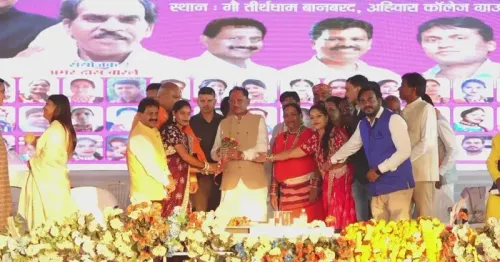
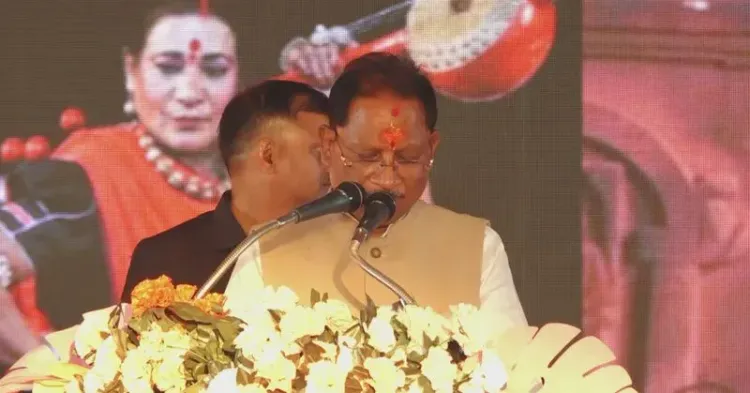
Chhattisgarh Chief Minister Vishnu Deo Sai attended the Pandwani Mahasammelan in Ahiwara, Durg on 24 October 2026, honouring the state's iconic Mahabharata folk-performance tradition while inaugurating and laying foundation stones for multiple local development projects.
Key Takeaways
CM Vishnu Deo Sai attended the Pandwani Mahasammelan in Ahiwara, Durg district on 24 October 2026 .
The event celebrated Pandwani , a Chhattisgarhi solo folk-performance tradition recounting Mahabharata episodes.
The CM also presided over lokarpan (inauguration) and shilanyas (foundation-laying) of multiple development works in Ahiwara.
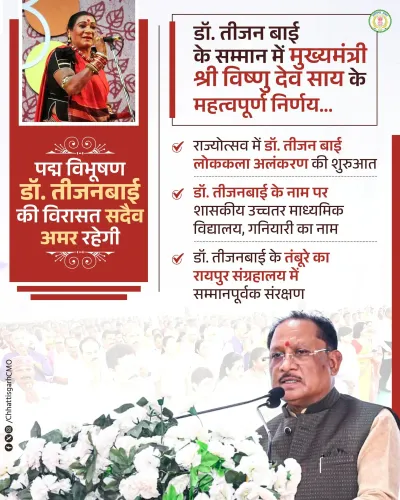
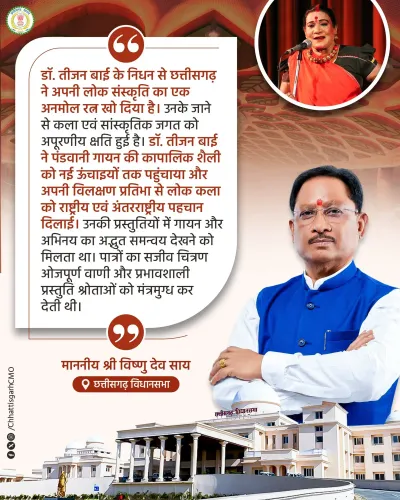
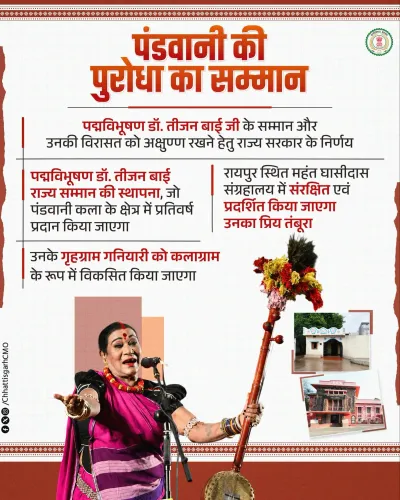
Durg district is the historic heartland of Pandwani, most famously associated with Padma Vibhushan laureate Teejan Bai.
The event follows the BJP-led state government's pattern of combining cultural programming with infrastructure announcements in central Chhattisgarh.
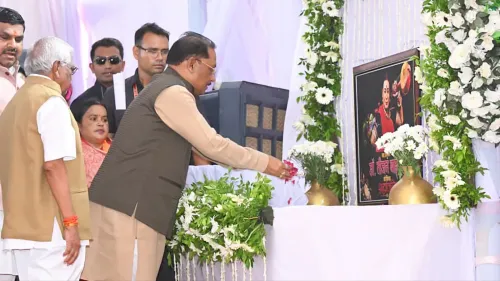
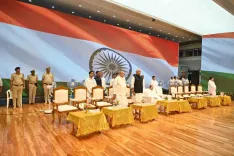
Folk art and foundation stones converged in Ahiwara, Durg district, on Saturday, 24 October 2026, as Chhattisgarh Chief Minister Vishnu Deo Sai attended the Pandwani Mahasammelan — a grand congregation celebrating one of the state's most beloved oral-performance traditions — while simultaneously presiding over the inauguration and foundation-laying of multiple development works in the region.
Pandwani: Chhattisgarh's Living Mahabharata
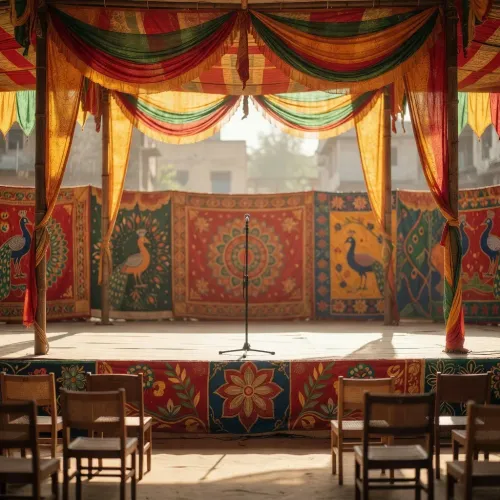
Pandwani is no ordinary folk form. Rooted in the villages of Chhattisgarh, it is a solo performance art in which a single artist — historically a woman — recites and enacts episodes from the Mahabharata in the Chhattisgarhi dialect, accompanied by the tambura (one-stringed drone instrument). The tradition gained national recognition largely through the late Teejan Bai, a Padma Vibhushan laureate from Durg district itself, who carried Pandwani to international stages. A Mahasammelan — literally a 'great congregation' — brings together practitioners, students, and audiences to keep that lineage alive and visible.
That this gathering was held in Ahiwara, a town within Durg, carries a quiet symbolism: Durg is the heartland from which modern Pandwani drew its most celebrated voice, making it a natural home for a cultural conclave of this scale.
Development Works Alongside Cultural Celebration
CM Sai used the occasion to perform both lokarpan (public dedication of completed works) and shilanyas (foundation-laying for new projects) in Ahiwara. The combination of a cultural event with infrastructure announcements is a deliberate format the BJP-led Chhattisgarh government has favoured since taking office after the 2023 state elections — pairing visible heritage promotion with tangible local development to ensure both symbolic and material dividends for constituencies in central Chhattisgarh.
Durg is one of Chhattisgarh's most industrially and administratively significant districts, and development activity here carries weight beyond a single constituency. Projects inaugurated or greenlit in this belt feed into the broader infrastructure narrative the state administration has built around central Chhattisgarh districts.
Culture as Governance: The Pattern in Play
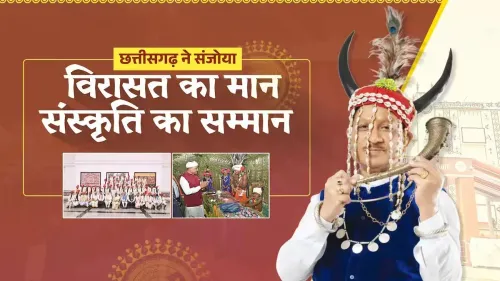
Chhattisgarh's state governments — across political cycles — have periodically backed events that preserve regional folk traditions, but the current administration has been deliberate in embedding cultural programming into its district-level governance calendar. Events like the Pandwani Mahasammelan serve a dual purpose: they assert pride in Chhattisgarhi identity at a moment when tribal and indigenous cultural heritage has gained fresh political salience nationally, and they position the ruling party as a steward of that heritage at the grassroots.
For Ahiwara's folk artists and residents, the day delivered something more immediate — a chief ministerial stage for an art form that too often recedes from public view between election cycles.
Whether the cultural calendar expands further — and whether the development works unveiled today translate into measurable change on the ground — is the question Durg district will be watching in the months ahead.
Frequently Asked Questions
What is Pandwani, the folk art celebrated at the Mahasammelan in Ahiwara?
Pandwani is a traditional Chhattisgarhi solo performance art in which a single artist recites and enacts episodes from the Mahabharata in the local dialect, accompanied by a one-stringed drone instrument called the tambura. It gained national and international recognition through Padma Vibhushan laureate Teejan Bai, who hails from Durg district.
Where is Ahiwara and why was the Pandwani Mahasammelan held there?
Ahiwara is a town in Durg district of Chhattisgarh. Durg is historically significant as the home region of Teejan Bai, making it a natural and symbolic venue for a major Pandwani congregation.
What development works did CM Vishnu Deo Sai inaugurate in Ahiwara?
CM Sai presided over both the inauguration of completed development works and the foundation-laying of new projects in Ahiwara on 24 October 2026. The specific list of projects has not been officially detailed in available public records.
What is a Pandwani Mahasammelan?
A Mahasammelan literally means a 'great congregation.' In this context it is a large-scale gathering of Pandwani performers, practitioners, students, and audiences convened to celebrate and sustain the folk-art tradition.
How has the Chhattisgarh government supported Pandwani and folk traditions?
Chhattisgarh governments across political cycles have periodically backed folk-art events. The BJP-led administration since 2023 has continued this emphasis, integrating cultural programmes with local development announcements particularly in central Chhattisgarh districts like Durg.