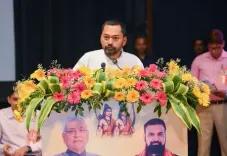
CM Office Holds Pandwani Mahasammelan in Ahiwara, Durg
Synopsis
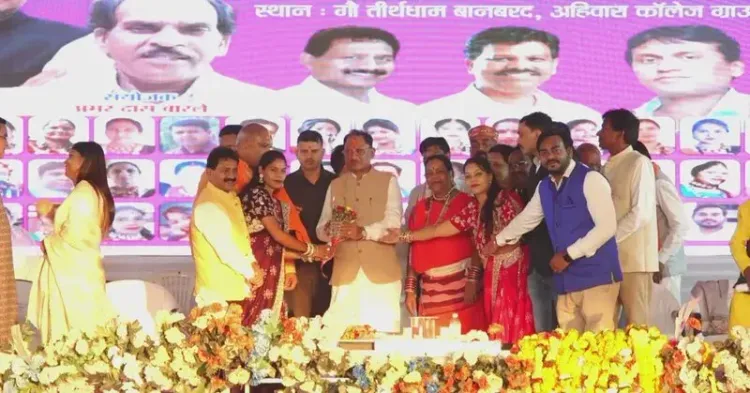
The Chief Minister's Office of Chhattisgarh organised a Pandwani Mahasammelan in Ahiwara, Durg on 24 October 2026, pairing the celebration of the state's iconic Mahabharata-rooted folk art with the inauguration and foundation-laying of local development projects.
Key Takeaways
The Chhattisgarh CMO hosted a Pandwani Mahasammelan in Ahiwara, Durg district on 24 October 2026 .
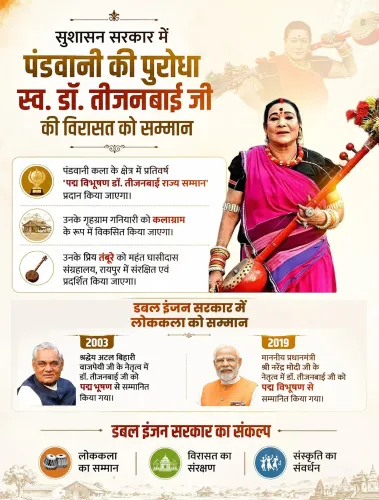
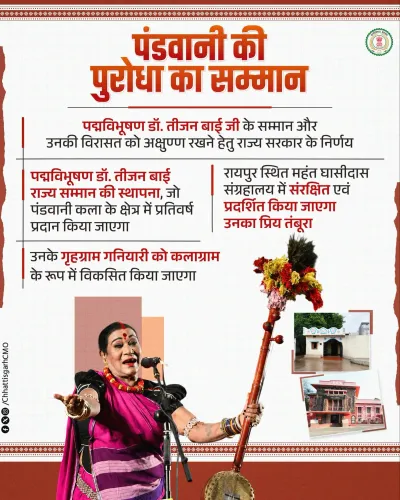
Pandwani is a traditional Chhattisgarhi folk art form narrating Mahabharata episodes, practised chiefly by Pardhi community performers.
The event also included lokarpan (inauguration of completed works) and shilanyas (foundation-laying for new projects) in Ahiwara.
Durg district is one of central Chhattisgarh's key industrial and agricultural zones.
Combining cultural sammelans with development announcements is an established outreach format used by Chhattisgarh governments.
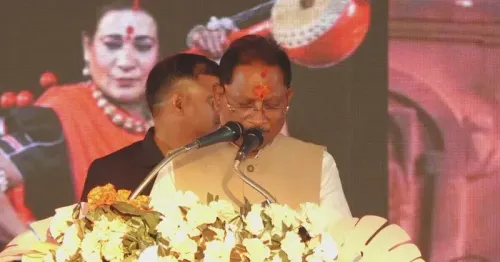
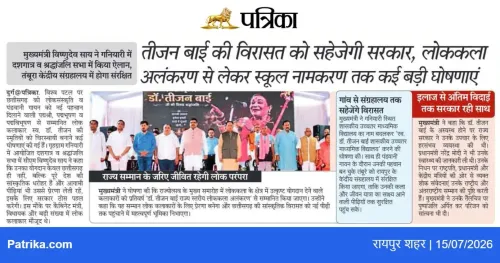
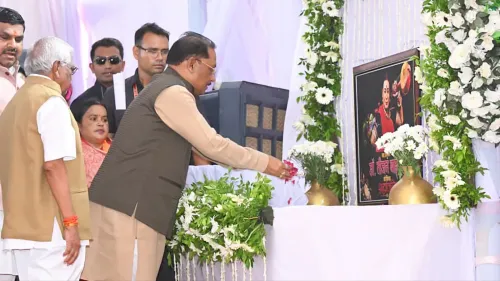
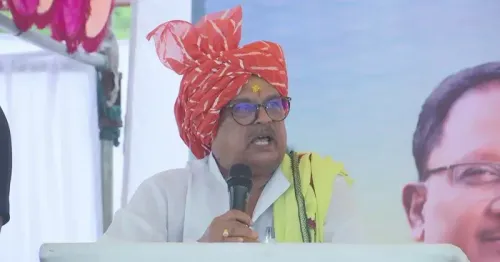
Folk tradition and civic progress converged in Ahiwara, Durg district, on Saturday, 24 October 2026, as the Chief Minister's Office of Chhattisgarh announced a Pandwani Mahasammelan — a grand congregation celebrating one of the state's most treasured folk art forms — alongside the inauguration and foundation-laying of multiple development works in the town.
Pandwani: Chhattisgarh's Living Epic Tradition
Pandwani is a centuries-old oral-performance art form indigenous to Chhattisgarh, in which a solo artist — typically from the Pardhi community — narrates and dramatises episodes from the Mahabharata with music, gesture, and verse. The form has long served as a living repository of regional identity, keeping epic storytelling alive in rural heartlands. A Mahasammelan (grand assembly) of this tradition brings together practitioners, enthusiasts, and audiences in a single celebratory space, amplifying its cultural reach.
Chhattisgarh governments have periodically organised state-level sammelans for folk traditions such as Pandwani, recognising their role in anchoring community identity. Pairing such cultural events with local project launches has become a signature format — using the crowd and energy of a cultural gathering to spotlight development milestones in specific districts.
Ahiwara, Durg: Development Works Inaugurated and Foundation-Laid
Ahiwara is a town in Durg district, one of central Chhattisgarh's most significant industrial and agricultural belts, known for its steel and mining activity. The event combined two civic actions: lokarpan (formal inauguration of completed works) and shilanyas (foundation-laying for new projects). The specific development works have not been detailed in the official post, but the dual format signals both delivery of promised infrastructure and the launch of fresh investments for the area.
Such combined events serve a dual purpose for the state government: they celebrate regional heritage while providing a public platform to demonstrate governance on the ground — completed roads, buildings, or welfare facilities handed over to communities alongside the pomp of cultural festivity.
For the folk artists of Chhattisgarh and the residents of Ahiwara alike, the day marked a statement that cultural heritage and development infrastructure are not competing priorities — they can, and did, share the same stage.
Point of View
Where Pandwani carries deep tribal and regional identity, elevating the art form through a grand sammelan also signals a soft-power investment in cultural continuity. The Durg district setting — an industrial heartland — adds political weight, suggesting an outreach to both urban workers and rural folk-art communities simultaneously. Whether the development works announced match the scale of the cultural fanfare is the question residents will answer in the weeks ahead.
NationPress
24 Oct 2026
Frequently Asked Questions
What is Pandwani and why is it significant in Chhattisgarh?
Pandwani is a traditional solo oral-performance art form from Chhattisgarh in which a performer narrates and enacts episodes from the Mahabharata through song, verse, and gesture. It is deeply embedded in the state's cultural identity and is primarily associated with the Pardhi community.
Where is Ahiwara and which district does it belong to?
Ahiwara is a town located in Durg district of Chhattisgarh, a central region known for its steel, mining, and agricultural activity.
What is the difference between lokarpan and shilanyas?
Lokarpan refers to the formal inauguration or public handover of a completed development project, while shilanyas is the ceremonial foundation-laying for a new project that is yet to be constructed.
What is a Pandwani Mahasammelan?
A Mahasammelan is a grand public assembly or convention. A Pandwani Mahasammelan brings together performers, communities, and audiences to celebrate and showcase the Pandwani folk tradition on a large scale.
Why does the Chhattisgarh government combine cultural events with development inaugurations?
Combining folk cultural gatherings with development launches allows the government to draw large crowds, celebrate regional heritage, and simultaneously announce or showcase infrastructure and welfare projects to local communities — maximising both outreach and visibility.