Deepfake videos target Indian Army amid CJP protests over NEET-UG leak
Synopsis
As CJP protests over the NEET-UG paper leak grip the country, intelligence agencies have flagged a coordinated deepfake campaign targeting the Indian Army — with nearly 20 fabricated videos already identified. The upload-spread-delete tactic mirrors ISI-linked propaganda seen during Operation Sindoor, and officials say foreign actors cannot be ruled out this time either.
Key Takeaways
Intelligence agencies have issued an alert over a deepfake and AI-generated video campaign targeting the Indian Army amid CJP protests over the NEET-UG paper leak .
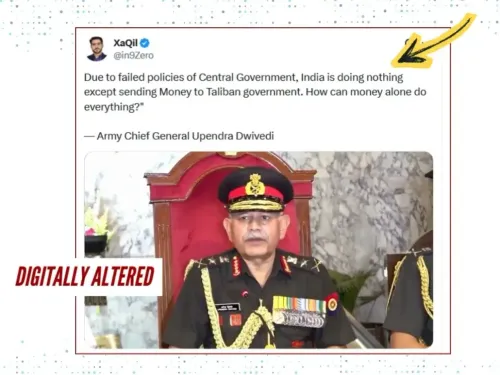
Nearly 20 fabricated videos purporting to show Army personnel criticising the government have been identified and are under investigation.
Videos are deliberately stripped of name tags and insignia , making identification of subjects difficult.
Agencies have observed an upload-spread-delete tactic designed to hinder source tracing while maximising spread.
The pattern mirrors disinformation campaigns reportedly run by ISI-backed handles during Operation Sindoor ; foreign actor involvement is not ruled out.
The Intelligence Bureau has begun flagging and investigating manipulated posts; officials warn the campaign is likely to intensify.
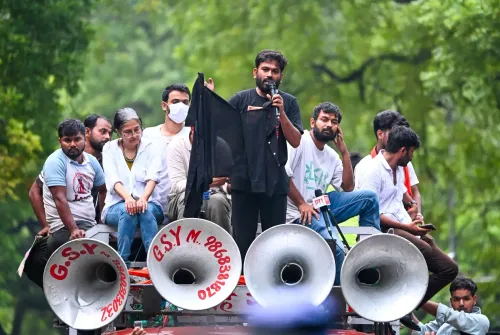
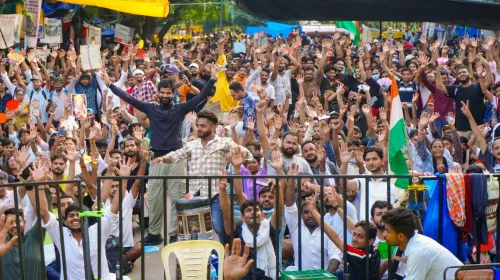
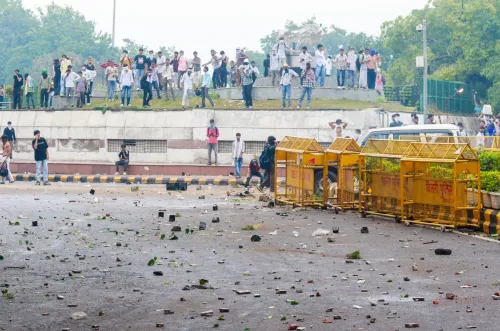
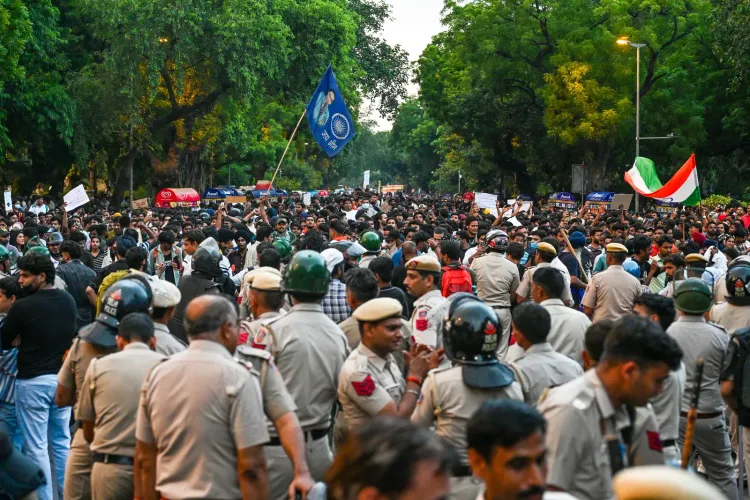
Intelligence agencies have issued an alert over a coordinated disinformation campaign targeting the Indian Army as protests by the Cockroach Janata Party (CJP) over the NEET-UG paper leak continue across the country. The warning, issued from New Delhi, flags the circulation of deepfake and AI-generated videos falsely depicting uniformed personnel making political statements, with security officials warning that hostile actors are seeking to exploit the ongoing unrest.
Nature of the Threat
According to intelligence officials, several fabricated and misleading videos have already been detected and are being widely shared on social media platforms. As of the latest count, agencies have identified nearly 20 such video posts purportedly showing Army personnel criticising the government over the NEET-UG issue. All are currently under investigation.
The videos, officials note, are deliberately stripped of identifying markers. 'Investigators are struggling to identify those featured in the videos as they contain no name tags, insignia or other identifying features,' according to officials. This is understood to be intentional, making it harder for security agencies to trace either the subjects or the originators.
The Tactic: Upload, Spread, Delete
Security agencies have observed a distinct operational pattern: misleading videos are uploaded, allowed to circulate widely for a few hours, and then swiftly deleted. 'This appears to be a deliberate tactic to make tracing the source more difficult. But even if such videos remain online for only a few hours, they can spread false narratives and cause significant damage,' an official said.
Officials stressed that swift platform-level action is critical. 'Such content cannot be allowed to circulate for long. The longer it remains on social media, the greater the damage it can cause,' another official said.
Why the Army Is the Primary Target
Intelligence agencies assess that the Indian Army is likely to be the primary target of the campaign precisely because of the high degree of public trust it commands. Officials warn that hostile actors aim to erode that trust through a sustained disinformation effort timed to coincide with the protest-driven volatility.
The broader objective, according to agencies, is to provoke violence and deepen public unrest by undermining confidence in key state institutions.
Parallels With Operation Sindoor Disinformation
This is not the first time such a pattern has emerged. During Operation Sindoor — India's military response to the Pahalgam terror attack — social media handles reportedly backed by Pakistan's Inter-Services Intelligence (ISI) ran coordinated propaganda campaigns against the Indian armed forces. Fake videos at the time falsely claimed that Indian forces had suffered heavy casualties, with the apparent aim of demoralising the military and eroding public confidence.
Indian security agencies say they do not rule out the involvement of foreign actors in the current campaign, noting that attempts to defame and undermine the Army have been a recurring feature over the past several months.
What Agencies Are Doing
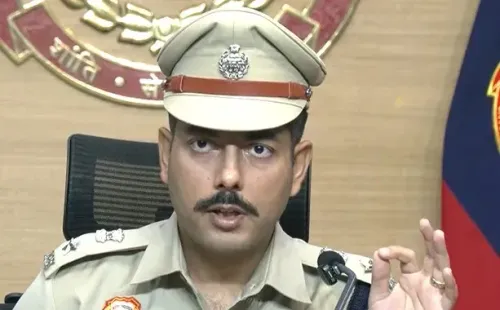
The Intelligence Bureau (IB) and other security agencies have begun identifying and flagging manipulated posts. Officials say the pace of such campaigns is expected to intensify as protests continue, and have warned citizens to treat unverified videos of uniformed personnel with caution. More fabricated content is anticipated in the days ahead.
Point of View
And the NEET-UG unrest provides exactly that cover. What is notable is the institutional specificity: targeting the Army, rather than political figures, signals an intent to fracture the one institution that cuts across India's political divides. The upload-spread-delete pattern is also a maturation of tactics seen during Operation Sindoor, suggesting organised, possibly state-backed actors rather than opportunistic trolls. The harder question — which mainstream coverage has largely avoided — is whether India's platform-takedown infrastructure is fast enough to counter a campaign designed to do its damage in hours.
NationPress
23 Oct 2026
Frequently Asked Questions
What is the deepfake campaign targeting the Indian Army?
Intelligence agencies have detected a coordinated disinformation campaign in which deepfake and AI-generated videos falsely depict Indian Army personnel making political statements critical of the government. The campaign appears timed to exploit ongoing CJP protests over the NEET-UG paper leak, with nearly 20 such videos already identified and under investigation.
Why is the Indian Army being targeted in this disinformation campaign?
Officials say the Army is being targeted because it commands exceptionally high public trust, making it an effective vehicle for eroding confidence in state institutions. The broader objective, according to intelligence agencies, is to provoke violence and deepen unrest by undermining that trust.
Are foreign actors involved in spreading these deepfake videos?
Indian security agencies say they do not rule out the involvement of foreign actors. Officials have drawn parallels with ISI-backed propaganda campaigns that circulated fake casualty videos during Operation Sindoor, noting that repeated attempts to defame the Army have been a recurring pattern over the past several months.
What tactic are the disinformation actors using to avoid detection?
Agencies have identified a deliberate upload-spread-delete pattern: videos are posted, allowed to circulate widely for a few hours, then removed. The videos also lack name tags and insignia, making it harder to identify those featured or trace the source. Officials warn this tactic is designed to maximise spread while minimising accountability.
What action are security agencies taking against these videos?
The Intelligence Bureau and other security agencies have begun identifying and flagging manipulated posts on social media platforms. Investigators are working to trace the origin of the nearly 20 videos already detected, and officials have warned that more fabricated content is expected as the protests continue.