Pakistani deepfake campaign targets PM Modi to revive student protests
Synopsis
Indian intelligence has uncovered a coordinated Pakistani deepfake campaign that splices real footage of PM Modi to make him appear threatening toward student protesters — the latest escalation in a disinformation war that previously targeted the Indian Army. With 13 FIRs dropped and states assuring students of no legal action, the government's de-escalation strategy appears to have frustrated the operation's architects.
Key Takeaways
Indian intelligence agencies have flagged a surge in deepfake videos falsely depicting PM Modi threatening student protesters, traced to Pakistani social media handles .
The fabricated clips manipulate genuine footage — including a real speech where the PM praised students and another where he appealed for restraint — to reverse their meaning.
An Intelligence Bureau official described the operation as 'systematic targeting' aimed at inciting students to return to the streets and directing anger at the PM personally.
The earlier NEET-UG protests subsided after government action against former Education Minister Dharmendra Pradhan ; Delhi , Bihar , West Bengal , Assam , and Maharashtra assured students of no legal action.
The Delhi government ordered closure of proceedings in 13 FIRs related to the student demonstrations.
Officials assess the campaign also serves as a diversion from internal unrest in PoK , Balochistan , and Khyber Pakhtunkhwa .
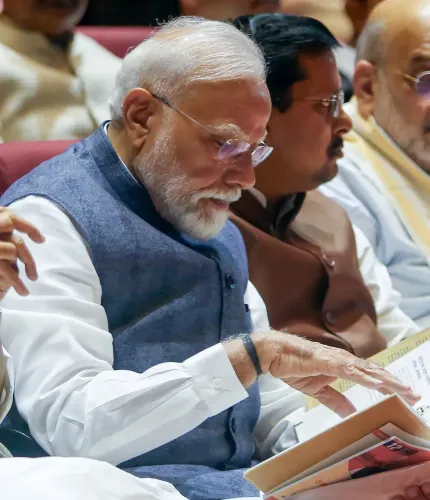
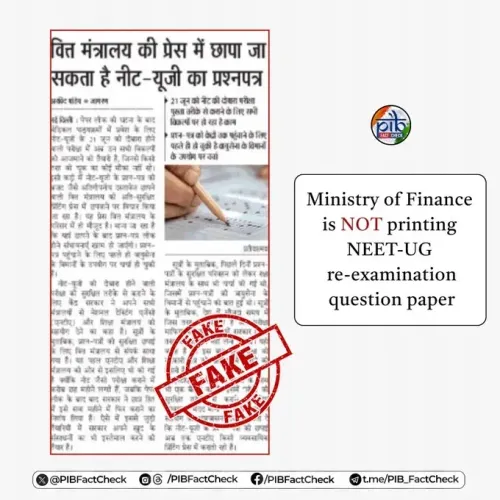
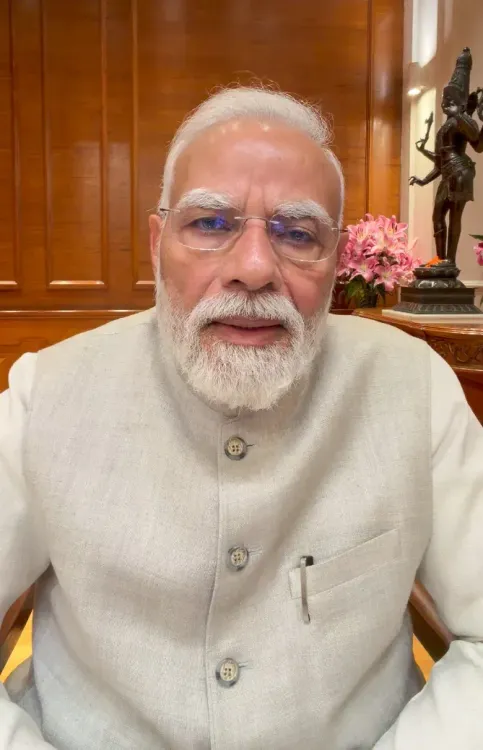
Indian intelligence agencies have flagged a sharp surge in deepfake videos targeting Prime Minister Narendra Modi, with the videos designed to inflame student sentiment and reignite street protests that had subsided following government action on the NEET-UG paper leak controversy. The campaign, reportedly traced to Pakistani social media handles, marks a deliberate shift in disinformation tactics — away from the Indian Army and toward the Prime Minister personally.
The Deepfake Campaign: What Is Being Circulated
According to intelligence officials, scores of fabricated videos are currently in circulation, falsely depicting PM Modi threatening punitive action against students who participated in recent protests. In one altered clip, the PM is heard saying that strict action would be taken against those who protested at Jantar Mantar, and that those who demonstrated against the Bharatiya Janata Party (BJP) government 'will face the consequences' — words the PM never said.
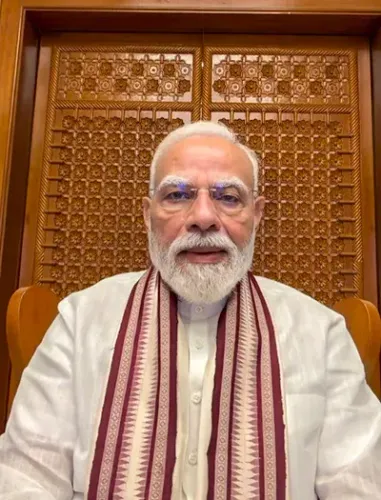
The deepfakes reportedly splice and manipulate genuine footage. In one authentic video, PM Modi had praised students for sending 'positive and constructive suggestions regarding the examination process' and vowed action against the 'paper mafia' — not against students. In another real clip, the PM appealed for restraint after abusive slogans were directed at him during protests, saying: 'Abuses don't solve anything. Let us guide the misguided and let us work together. Let us work for Bharat.' Pakistani handles have reportedly repurposed this footage with altered audio to reverse its meaning.
Intelligence Bureau Assessment
An Intelligence Bureau (IB) official described the operation as 'systematic targeting with the clear intention to get the students on the streets.' According to the official, the goal is to incite students to return to demonstrations — this time directing their anger specifically at the Prime Minister, rather than at policy failures in the examination system.
A second official said the Pakistani handles are aiming for 'regime change' through student-led unrest, and that frustration among ISI-backed elements grew after the government de-escalated the protests through administrative action rather than confrontation. 'They would have hoped that the protests continued longer so that this would have shaken the establishment,' the official noted.
How the Earlier Protests Were Defused
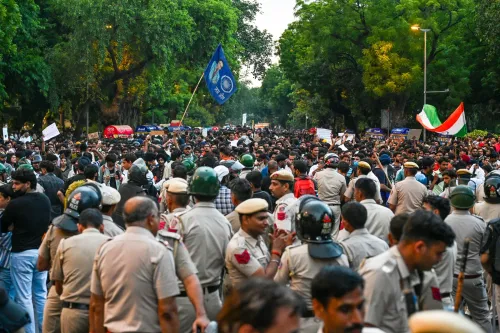
The student protests had centred on the NEET-UG paper leak and the conduct of national entrance examinations. The situation eased after the Union Government took action against former Union Education Minister Dharmendra Pradhan. States including Delhi, Bihar, West Bengal, Assam, and Maharashtra assured students last week that no coercive or legal action would be taken against those who participated in peaceful demonstrations.
On Thursday, the Delhi government clarified that no adverse legal action was being taken against students who protested in the national capital, and ordered the closure of proceedings in 13 FIRs registered in connection with the demonstrations. Officials said the government had 'clearly signalled that it wants a solution and not a confrontation' — a posture that, according to intelligence assessments, has directly frustrated the disinformation campaign's objectives.
Broader Pattern and Strategic Context
Intelligence officials noted that a few weeks prior, the same Pakistani handles had focused deepfake content on the Indian Army. The pivot to targeting PM Modi personally suggests an escalation in the campaign's ambition, officials said. The disinformation push is also assessed as a diversionary tactic, drawing attention away from internal unrest in Pakistan-occupied Kashmir (PoK), Balochistan, and Khyber Pakhtunkhwa (KP).
Officials have urged citizens — particularly students — not to share or act on content from unverified Pakistani social media handles, warning that more such attempts are expected in the coming days.
Point of View
It has denied the deepfake campaign the grievance it needed to sustain momentum. The real vulnerability, however, is platform-level — deepfakes spread faster than rebuttals, and India still lacks a rapid-response public verification mechanism that students can trust in real time. Without that, official assurances will always lag behind the next fabricated clip.
NationPress
16 Sept 2026
Frequently Asked Questions
What is the Pakistani deepfake campaign targeting PM Modi?
It is a coordinated disinformation operation, flagged by Indian intelligence agencies, in which Pakistani social media handles are circulating fabricated videos that falsely depict PM Modi threatening punitive action against student protesters. The clips manipulate genuine footage to reverse the PM's actual statements.
Why are Pakistani handles targeting PM Modi with deepfakes now?
According to intelligence officials, the campaign aims to reignite student protests that subsided after the government de-escalated the NEET-UG crisis through administrative action. Officials say ISI-backed elements had hoped the protests would continue longer to destabilise the government, and are now attempting to revive unrest by targeting the PM directly.
What action has the government taken regarding student protesters?
The Delhi government clarified that no adverse legal action is being taken against students who participated in NEET-UG protests in the capital, and ordered the closure of proceedings in 13 FIRs. States including Delhi, Bihar, West Bengal, Assam, and Maharashtra had already assured students of no coercive action last week.
What did PM Modi actually say in the videos being manipulated?
In the original, unaltered footage, PM Modi praised students for sending 'positive and constructive suggestions' on the examination process and vowed action against the 'paper mafia' — not against students. In another genuine clip, he appealed for restraint after abusive slogans were directed at him, saying: 'Abuses don't solve anything. Let us guide the misguided and let us work together.'
Is this the first time Pakistani handles have run such a disinformation campaign in India?
No. Intelligence officials say the same Pakistani handles had previously circulated deepfake videos targeting the Indian Army. The recent shift to targeting PM Modi personally represents an escalation. Officials also assess the campaign as partly a diversionary tactic from internal unrest in Pakistan-occupied Kashmir, Balochistan, and Khyber Pakhtunkhwa.