Tejashwi Yadav mourns RJD's Sitamarhi pillar Shafiq Khan
Synopsis
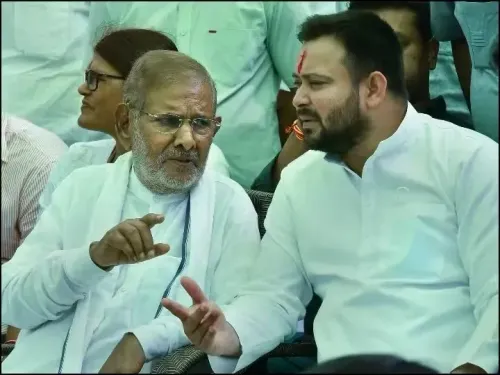
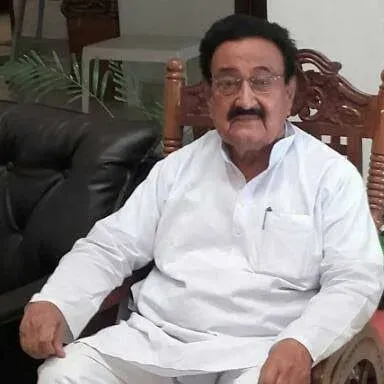
RJD leader and Bihar Leader of the Opposition Tejashwi Yadav publicly mourned the death of Shafiq Khan — former RJD state vice-president and former Sitamarhi district president — honouring him as a lifelong servant of public cause and a foundational pillar of the party's grassroots organisation.
Key Takeaways
Shafiq Khan served as former state vice-president of the RJD and former district president of the party in Sitamarhi .
Tejashwi described him as a 'foundational pillar and guardian' of the organisation, underscoring his grassroots importance.
Tejashwi used the terms jujharu (fighter), lokapriya (people's leader), milansaar (sociable), and pratibaddh (committed) in his tribute.
Sitamarhi in northern Bihar is a key district in the RJD's organisational structure.
Tejashwi prayed for peace for the departed soul and asked God to grant strength to Khan's bereaved family.
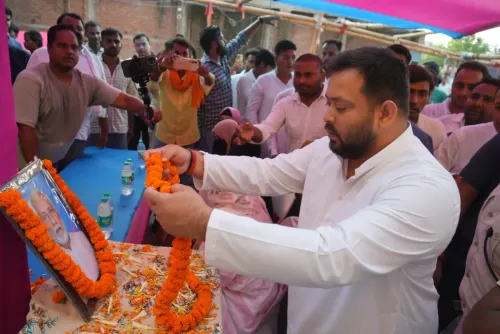
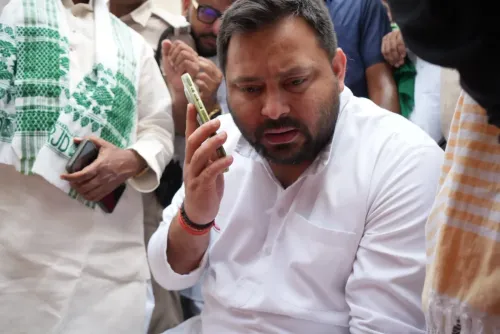
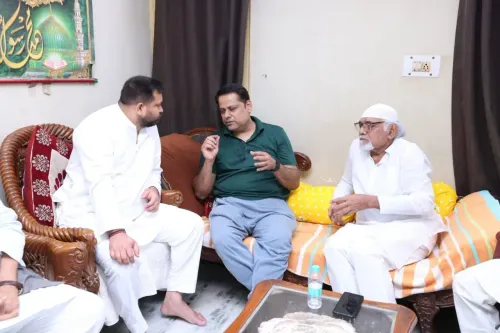
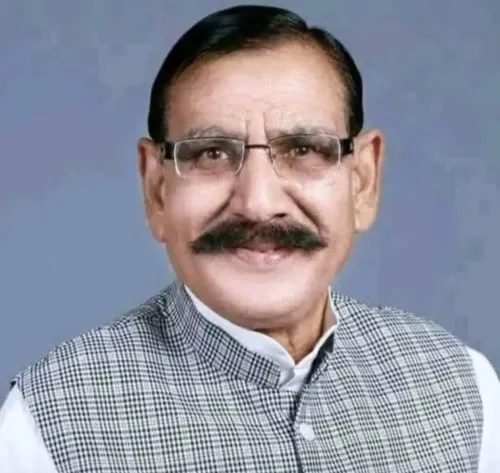
The passing of a quiet but steadfast architect of grassroots politics in northern Bihar drew a heartfelt public tribute on Wednesday, October 21, 2026, as RJD leader and Leader of the Opposition Tejashwi Yadav mourned the death of Shafiq Khan, former state vice-president and former district president of the Rashtriya Janata Dal in Sitamarhi.
Posting in Hindi, Tejashwi described the news of Shafiq Khan's passing as 'atyant dukkhad' — 'deeply saddening' — and paid tribute to a man he called simple, sincere, and unwaveringly loyal to both public service and party organisation throughout his life.Who was Shafiq Khan to the RJD in Sitamarhi
Shafiq Khan held two of the most structurally important positions an RJD functionary could occupy at the district level: former state-level party vice-president and former Sitamarhi district president. Tejashwi referred to him with the honorific 'aadhaar stambh abhhibhavak' — 'a foundational pillar and guardian' — language that signals Khan's role not merely as an office-bearer but as an elder who shaped the party's organisational culture in the region. In his post, Tejashwi described Khan as 'jujharu, lokapriya, milansaar aur pratibaddh raajneta' — a fighter, a people's leader, someone with an open and welcoming manner, and above all committed. The portrait is of a ward-level-to-district organiser whose influence was earned through presence and persistence rather than headline-grabbing controversy.Sitamarhi's place in RJD's organisational map
Sitamarhi district, in northern Bihar near the Nepal border, has long been part of the RJD's core organisational territory. District-level leaders like Khan are often the invisible load-bearing walls of Bihar's party machinery — managing booth committees, mobilising voters, and maintaining the chain of loyalty that connects Patna's leadership to hundreds of villages. The Rashtriya Janata Dal, founded by Lalu Prasad Yadav, has historically depended on exactly this kind of grassroots infrastructure to remain competitive in a state where caste arithmetic and ground-level organisation frequently decide margins. The death of a figure like Shafiq Khan, therefore, registers not just as a personal loss but as a quiet subtraction from the party's working memory in the region.Tejashwi's parting words and prayer
Concluding his tribute, Tejashwi offered a prayer for the peace of Khan's departed soul and asked that God grant 'dhairya aur sahas' — patience and courage — to the bereaved family. The tone is one of institutional grief: a party leader acknowledging that the men and women who build organisations from the ground up deserve to be seen and mourned publicly. In Bihar's political culture, where alliance calculations and election cycles dominate the news cycle, such acts of public remembrance for district-level functionaries are a deliberate signal — that the party values its workers, not just its winners.Point of View
And Tejashwi's public tribute to Shafiq Khan is a deliberate act of organisational acknowledgement — a signal that the RJD's leadership notices, and values, the men who hold the party together far from the television cameras. For the RJD, which is currently in opposition in Bihar, maintaining morale and loyalty at the grassroots level is not just sentiment — it is electoral strategy. Such gestures of institutional grief reinforce the chain of loyalty that connects booth committees in Sitamarhi to the leadership in Patna. In a state where margins are thin and mobilisation is everything, the party that remembers its workers tends to retain them.
NationPress
21 Oct 2026
Frequently Asked Questions
Who was Shafiq Khan of RJD Sitamarhi?
Shafiq Khan was a senior RJD functionary who served as former state vice-president of the Rashtriya Janata Dal and as the former district president of the party in Sitamarhi, Bihar. Tejashwi Yadav described him as a foundational pillar of the organisation and a lifelong, committed grassroots leader.
What did Tejashwi Yadav say about Shafiq Khan's death?
Tejashwi Yadav called the news of Shafiq Khan's passing 'deeply saddening' and described him as a simple, sincere, and unwavering person dedicated throughout his life to public service and party organisation. He prayed for peace for the departed soul and for courage for the bereaved family.
What is the significance of Sitamarhi in Bihar politics?
Sitamarhi is a district in northern Bihar near the Nepal border and has historically been an important part of the RJD's grassroots organisational territory. District-level leaders there play a key role in booth management, voter mobilisation, and maintaining party loyalty at the local level.
What positions did Shafiq Khan hold in the RJD?
According to Tejashwi Yadav's post, Shafiq Khan held two key positions: former state-level vice-president of the RJD and former district president of the party in Sitamarhi.
Why do Bihar politicians publicly mourn district-level party workers?
In Bihar's intensely competitive political environment, parties depend heavily on district and booth-level cadre for voter mobilisation. Public condolences by senior leaders for grassroots functionaries serve both as genuine tributes and as signals of institutional loyalty — reinforcing the organisational bonds that sustain parties between elections.