CM Rekha Gupta attends Janjati Sanskritik Samagam at Red Fort
Synopsis
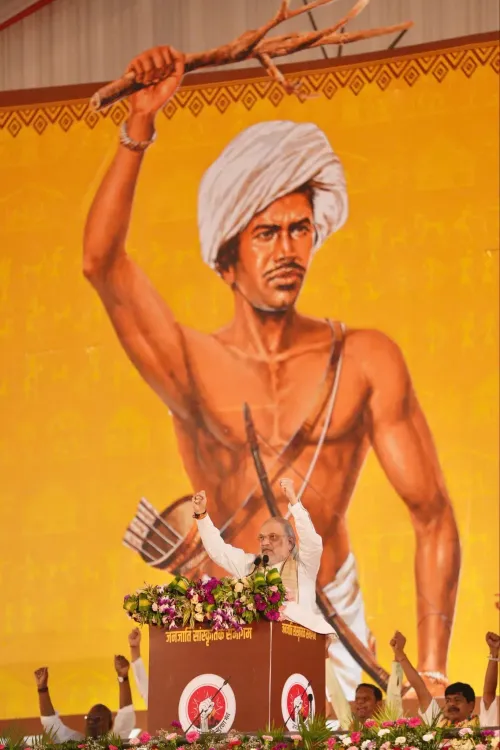
Delhi Chief Minister Rekha Gupta joined Union Home Minister Amit Shah at the Janjati Sanskritik Samagam at Red Fort on 25 May 2026, honouring Birsa Munda's 150th birth anniversary year and highlighting central government tribal welfare initiatives including PM JANMAN and Janjatiya Gaurav Divas.
Key Takeaways
Delhi CM Rekha Gupta attended the Janjati Sanskritik Samagam at Red Fort , New Delhi on 25 May 2026 .
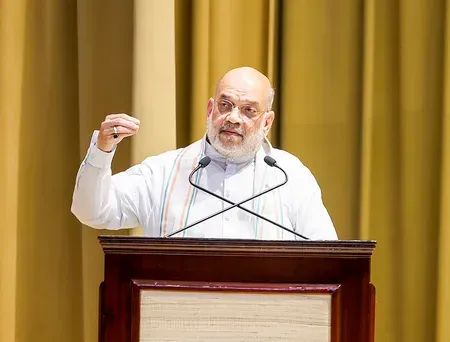
Union Home Minister Amit Shah was present at the event as the senior central government representative.
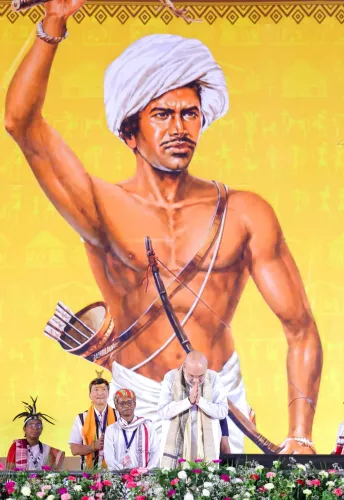
The congregation marked the 150th birth anniversary year of tribal freedom fighter Birsa Munda , known as Dharti Aaba .
Janjatiya Gaurav Divas , observed on 15 November annually, was instituted in 2021 to honour tribal heritage and contributions.
PM JANMAN , launched in 2023 , targets basic amenities for Particularly Vulnerable Tribal Group (PVTG) habitations in remote areas.
The event highlighted government focus on tribal education, health, housing, skill development, and infrastructure in remote regions.
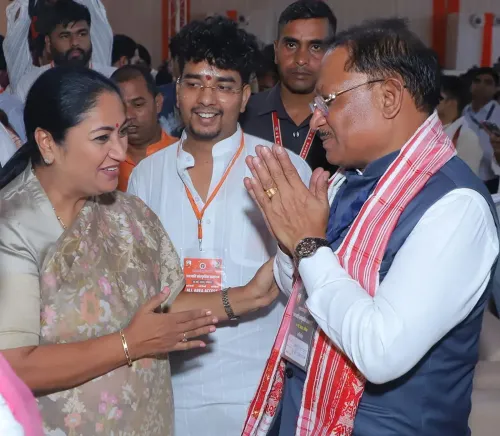
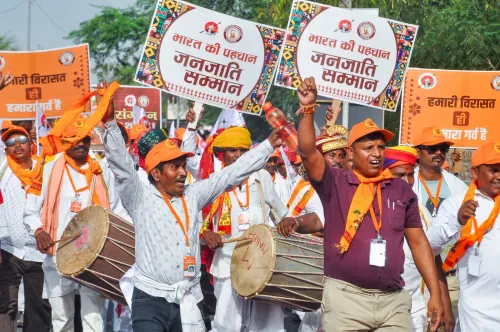
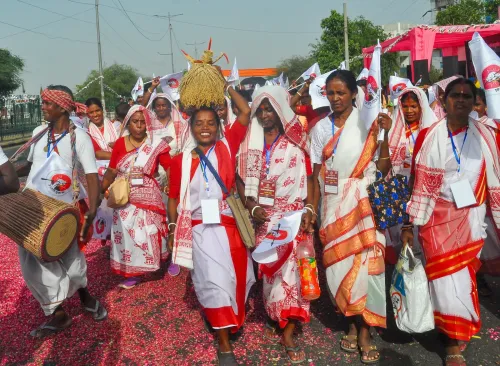
Delhi Chief Minister Rekha Gupta attended the 'Janjati Sanskritik Samagam' (Tribal Cultural Congregation) held at the Red Fort complex in New Delhi on Sunday, 25 May 2026, in the presence of Union Home and Cooperation Minister Amit Shah. The event marked the ongoing 150th birth anniversary year of tribal icon and freedom fighter Birsa Munda, revered as Dharti Aaba (Father of the Earth), celebrating the rich culture, traditions, and folk heritage of India's tribal communities.
Context
Posting on X, Chief Minister Gupta wrote that she 'janjatiya samaj ki samridh sanskriti, paramparaon aur lok virasat ko naman kiya' — paid tribute to the rich culture, traditions, and folk heritage of the tribal community — on the occasion of Birsa Munda's 150th birth anniversary year. She noted the 'dignified presence' of Amit Shah at the gathering. The Red Fort, a UNESCO World Heritage Site and India's foremost national monument in Delhi, served as the backdrop for the cultural congregation, lending symbolic weight to the occasion.
Policy Backdrop
The event is part of a broader, sustained push by the central government to elevate tribal identity and welfare. Janjatiya Gaurav Divas, instituted in 2021, is observed annually on 15 November — Birsa Munda's birth anniversary — to honour tribal contributions to India's history and freedom struggle. The government has positioned Birsa Munda as a mainstream national icon, with the 150th anniversary year serving as a focal point for cultural programmes and policy reviews across the country.
On the welfare side, PM JANMAN — launched in 2023 — targets the delivery of saturated basic amenities including housing, roads, clean drinking water, electricity, and health services to Particularly Vulnerable Tribal Group (PVTG) habitations in remote areas. Chief Minister Gupta highlighted this scheme alongside efforts in education, health, housing, skill development, and infrastructure extension to distant tribal regions as examples of what she called 'new chapters of inclusive development' under Prime Minister Narendra Modi's leadership.
Stakeholders and Impact
The primary beneficiaries of the policy architecture referenced at the event are India's Scheduled Tribe communities and, most critically, PVTG households in remote districts who have historically had limited access to basic services. Cultural events such as the Janjati Sanskritik Samagam serve a dual purpose: publicly recognising tribal heritage while also functioning as platforms to communicate welfare delivery milestones to a national audience.
The presence of senior BJP leaders including Amit Shah and the reference to PM Modi's leadership underscores the political salience of tribal outreach, particularly given that tribal constituencies are spread across several key states. The coordination between the Ministry of Home Affairs and state administrations — including Delhi — in hosting such events reflects the federal dimension of tribal welfare implementation.
What's Next
With the 150th birth anniversary year of Birsa Munda continuing through 2026, further cultural programmes and policy announcements are expected across states with significant tribal populations. Progress reports on PM JANMAN infrastructure targets — covering road connectivity, housing units, and health access for PVTG habitations — will be a key metric to watch as the anniversary year draws to a close. The Janjati Sanskritik Samagam at the Red Fort signals that the central government intends to keep tribal empowerment visible at the highest symbolic levels of national public life.
Point of View
Multi-year strategy by the BJP-led central government to fuse cultural symbolism with welfare messaging around tribal communities. By anchoring events to Birsa Munda's legacy and housing them at iconic national monuments, the government seeks to mainstream tribal identity into India's broader national narrative. Delhi CM Rekha Gupta's participation — and her explicit linkage of PM JANMAN and Janjatiya Gaurav Divas — signals alignment between state and central leadership on this outreach. With tribal constituencies carrying decisive electoral weight in several states, such high-visibility events serve both a developmental and a political consolidation function.
NationPress
19 Sept 2026
Frequently Asked Questions
What is the Janjati Sanskritik Samagam?
The Janjati Sanskritik Samagam is a tribal cultural congregation organised to celebrate the rich heritage, traditions, and folk culture of India's tribal communities. The May 2026 edition was held at the Red Fort complex in New Delhi during the 150th birth anniversary year of Birsa Munda.
Who is Birsa Munda and why is his 150th anniversary significant?
Birsa Munda was a tribal freedom fighter and folk hero from Jharkhand, revered as 'Dharti Aaba' or Father of the Earth. His 150th birth anniversary year in 2025-26 has been marked by the central government with cultural events and renewed focus on tribal welfare programmes nationwide.
What is Janjatiya Gaurav Divas?
Janjatiya Gaurav Divas is an annual observance held on 15 November, instituted by the central government in 2021 to commemorate Birsa Munda's birth anniversary and recognise the contributions of tribal communities to India's history and freedom struggle.
Why was the Janjati Sanskritik Samagam held at Red Fort?
Red Fort, a UNESCO World Heritage Site in New Delhi, is one of India's most prominent national monuments. Hosting the tribal cultural congregation there lends symbolic national importance to the event and the government's tribal empowerment agenda.