Amit Shah Salutes Tribal Legacy at Janjati Samagam in Delhi
Synopsis
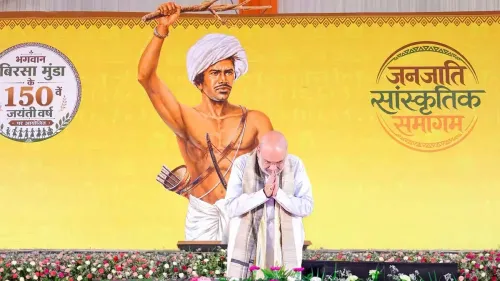
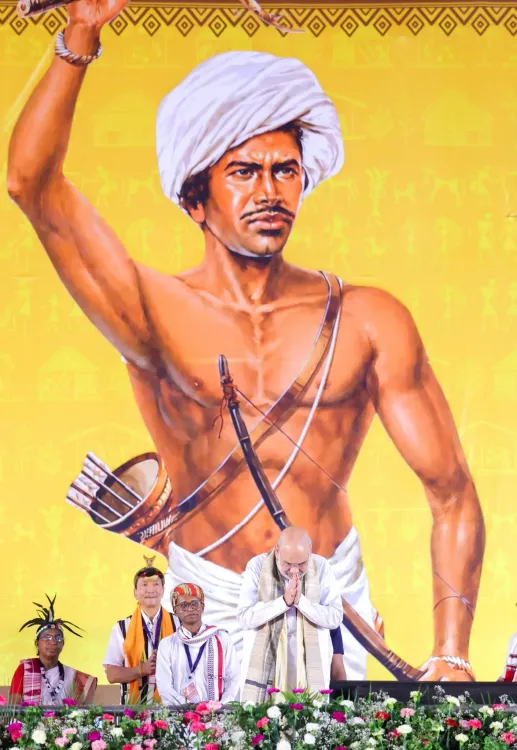
Union Home Minister Amit Shah on 24 May 2026 saluted lakhs of tribal brothers and sisters at the 'Janjati Sanskritik Samagam' in Delhi, invoking Bhagwan Birsa Munda's values of cultural preservation, nature conservation, and national unity as a global model of sustainable living.
Key Takeaways
Union Home Minister Amit Shah posted a tribute on 24 May 2026 honouring the tribal community at the Janjati Sanskritik Samagam in Delhi .
Shah invoked the legacy of Bhagwan Birsa Munda , the 19th-century Munda tribal leader who led the Ulgulan movement (1899–1900) against British colonial rule.
He described tribal communities as presenting a 'sustainable model of living' to the world, rooted in Birsa Munda's values of cultural preservation and nature conservation.
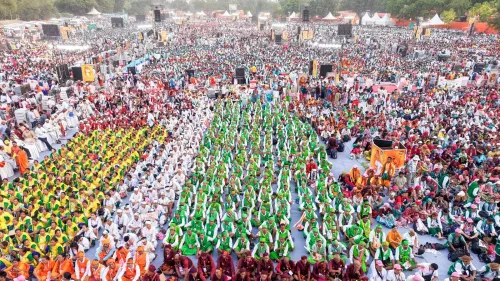
The event drew attendance in the lakhs , making it one of the larger tribal cultural congregations held at the national capital.
The gathering fits a broader pattern of central government events linking tribal icons to contemporary themes of sustainability and national integration.
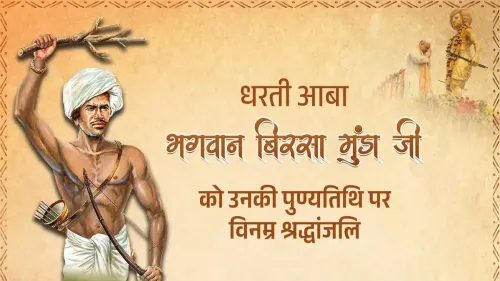
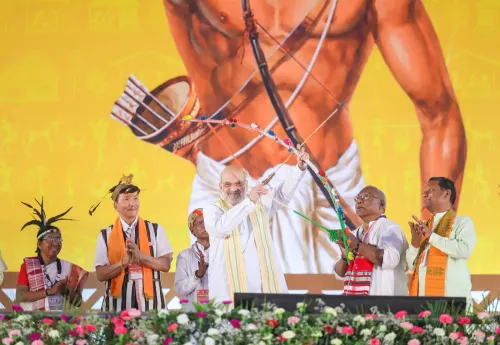
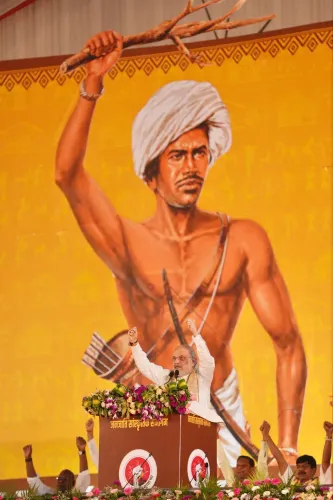
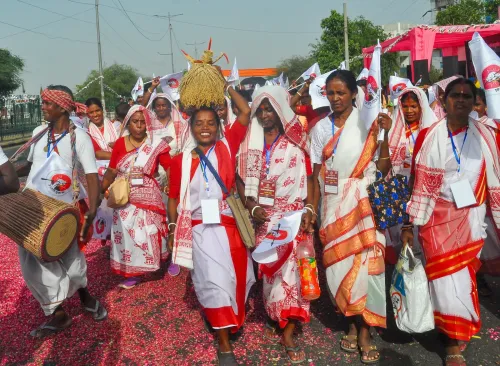
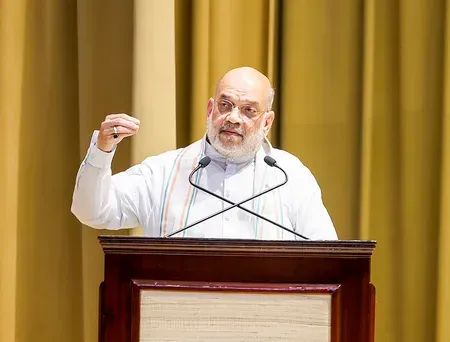
Union Home Minister Amit Shah on Sunday, 24 May 2026, paid tribute to Bhagwan Birsa Munda and saluted lakhs of tribal brothers and sisters gathered in Delhi for the 'Janjati Sanskritik Samagam', a large-scale cultural congregation of indigenous communities from across the country. Shah invoked Birsa Munda's legacy of cultural preservation, nature conservation, and nationalism as a living model of sustainable development for the world.
Context
Posting in Hindi on X, Shah wrote: 'Bhagwan Birsa Munda ji ne swadharma, swasanskriti ki raksha, prakriti sanrakshan, ekjutata aur rashtraprema ke jo sanskar janjatiya samaj mein sthapit kiye' — [The values of protecting one's own faith and culture, nature conservation, unity and love for the nation that Bhagwan Birsa Munda instilled in tribal society] — and noted that walking in those footsteps, the tribal community today presents a sustainable model of living before the world. He concluded with a salutation to the lakhs of tribal brothers and sisters present at the 'Janjati Sanskritik Samagam' organised in Delhi.
Bhagwan Birsa Munda was a 19th-century tribal leader from the Munda community of present-day Jharkhand who led the Ulgulan (Great Tumult) movement of 1899–1900 against British colonial rule, championing self-rule, resistance to land alienation, and the preservation of indigenous cultural identity. He remains one of the most venerated icons of India's tribal communities.
Policy Backdrop
The tribute comes against the backdrop of a long-standing central government focus on tribal welfare and cultural recognition. The Ministry of Tribal Affairs, established in 1999, has anchored successive policy initiatives targeting the development and cultural continuity of Scheduled Tribe populations across India. The Scheduled Tribes and Other Traditional Forest Dwellers (Recognition of Forest Rights) Act, 2006, further formalised community rights over forest resources and traditional knowledge systems.
National-level events commemorating tribal icons have become a recurring feature of central government outreach, frequently linking the legacies of leaders like Birsa Munda to contemporary themes of sustainability, national integration, and indigenous knowledge. Shah's framing of tribal communities as presenting a 'sustainable model of living' to the world is consistent with this broader pattern of cultural diplomacy.
Stakeholders and Impact
The Janjati Sanskritik Samagam brought together tribal communities and indigenous cultural groups from across India at the national capital. The scale of attendance — described by Shah as numbering in lakhs — signals the event's significance as a platform for asserting tribal cultural identity at the national level.
For tribal communities concentrated in states such as Jharkhand, Odisha, and Chhattisgarh, such events carry both symbolic and political weight, reaffirming the central government's stated commitment to preserving indigenous heritage while connecting grassroots communities to national policy discourse.
What's Next
Attention will now turn to whether the Samagam is followed by concrete policy announcements or the rollout of the next phase of tribal welfare schemes. State-level cultural festivals and administrative initiatives in tribal-majority states are expected to follow in the coming months, as governments at both the central and state levels continue to engage indigenous communities ahead of scheduled electoral and policy cycles.
Point of View
The messaging bridges cultural politics with contemporary environmental discourse. This approach has historically served dual purposes: reinforcing the government's outreach credentials among Scheduled Tribe voters, particularly in Jharkhand, Odisha, and Chhattisgarh, while elevating tribal welfare as a mainstream policy priority. The scale of the Delhi gathering suggests this is more than ceremonial — it signals an organised mobilisation of tribal communities at the national level with potential implications for upcoming policy and electoral cycles.
NationPress
21 Sept 2026
Frequently Asked Questions
What is the Janjati Sanskritik Samagam?
The Janjati Sanskritik Samagam is a large-scale cultural gathering of tribal and indigenous communities held in Delhi to celebrate indigenous traditions, heritage and sustainable living practices. The May 2026 edition drew attendance in the lakhs.
Who was Bhagwan Birsa Munda?
Bhagwan Birsa Munda was a 19th-century tribal leader from the Munda community of present-day Jharkhand who led the Ulgulan movement of 1899–1900 against British colonial rule, championing self-rule, land rights, and the preservation of indigenous culture.
What did Amit Shah say at the Janjati Samagam?
Amit Shah paid tribute to Bhagwan Birsa Munda's legacy of cultural preservation, nature conservation, unity and nationalism, and said tribal communities today present a sustainable model of living to the world. He saluted the lakhs of tribal brothers and sisters present at the Delhi event.
What is the significance of tribal cultural events organised by the central government?
Such events serve to commemorate tribal icons, affirm the government's commitment to indigenous heritage, and link tribal knowledge systems to contemporary policy themes like sustainability and national integration. They are also significant in states with large Scheduled Tribe populations such as Jharkhand, Odisha and Chhattisgarh.
What policies protect tribal rights in India?
Key legislation includes the Scheduled Tribes and Other Traditional Forest Dwellers (Recognition of Forest Rights) Act, 2006, which recognises community rights over forest resources and traditional knowledge. The Ministry of Tribal Affairs, established in 1999, oversees welfare and cultural development of Scheduled Tribe populations.