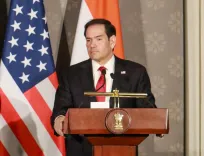
Amit Shah addresses Janjati Samagam on Birsa Munda's 150th birth year
Synopsis
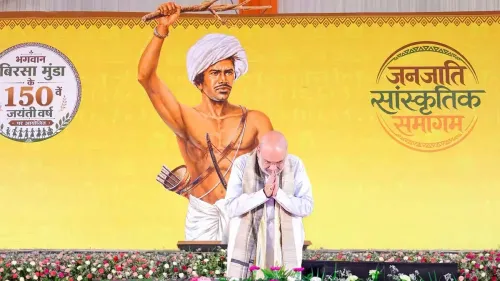
Union Home Minister Amit Shah addressed tribal representatives at the Janjati Sanskritik Samagam in Delhi on 24 May 2026, marking the 150th birth anniversary year of Bhagwan Birsa Munda. The event reflects the Central government's sustained effort to integrate Adivasi history into the national freedom narrative.
Key Takeaways
Amit Shah addressed the Janjati Sanskritik Samagam in Delhi on 24 May 2026 , engaging in dialogue with tribal representatives from across India.
The event marks the 150th birth anniversary year of Bhagwan Birsa Munda , the Munda community leader who led the Ulgulan rebellion against British rule.
The Government of India designated 15 November as Janjatiya Gaurav Divas in 2021 to honour Birsa Munda's legacy.
The gathering is part of a broader Central government effort to integrate Adivasi history into the national freedom narrative.
Further state-level events are expected through the anniversary year ending 15 November 2026 .
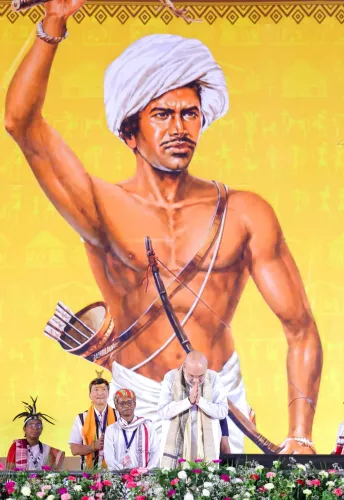
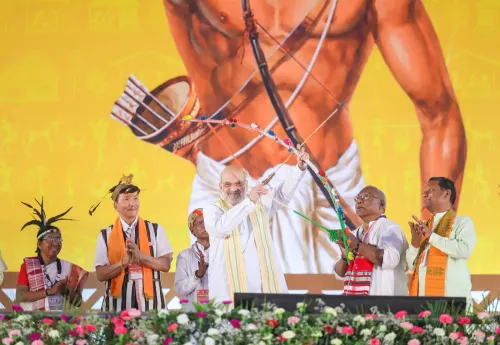
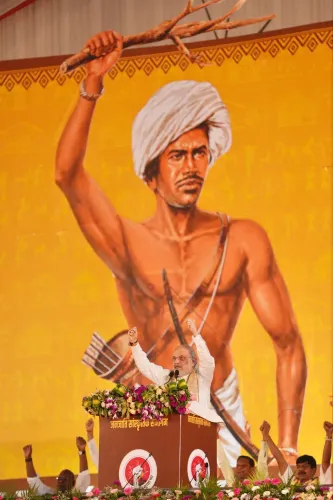
Union Home Minister Amit Shah on Sunday, 24 May 2026 addressed tribal representatives gathered from across the country at the Janjati Sanskritik Samagam in Delhi, marking the 150th birth anniversary year of tribal icon Bhagwan Birsa Munda.
Context
Posting on X, Shah wrote: 'Pura desh Dharti Aaba Bhagwan Birsa Munda ji ka 150vaan jayanti varsh harshullas se mana raha hai' — 'The entire country is celebrating the 150th birth anniversary year of Dharti Aaba Bhagwan Birsa Munda with great joy.' He added that he was 'engaging in dialogue with tribal sisters and brothers who have come from across the country' at the cultural gathering in Delhi.
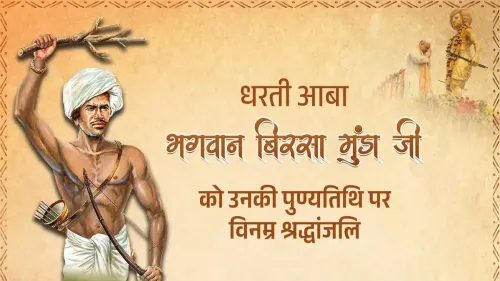
Birsa Munda, born on 15 November 1875, was a Munda community leader from the Chotanagpur region who led the Ulgulan (the Great Tumult) rebellion against British colonial rule and land alienation by zamindars. He is venerated across tribal communities as Dharti Aaba — 'Father of the Earth' — and is a central figure in India's Adivasi freedom narrative.
Policy Backdrop
In 2021, the Government of India designated 15 November as Janjatiya Gaurav Divas to commemorate Birsa Munda's birth anniversary and formally recognise the contributions of tribal communities to India's independence movement. The 150th birth anniversary year has prompted a series of national and state-level events under that framework.
The Central government has, over recent years, expanded its administrative focus on tribal regions, including measures related to the Scheduled Tribes list and targeted development programmes in Fifth and Sixth Schedule areas. The Janjati Sanskritik Samagam fits within this broader pattern of integrating Adivasi history and culture into mainstream national commemoration.
Stakeholders and Impact
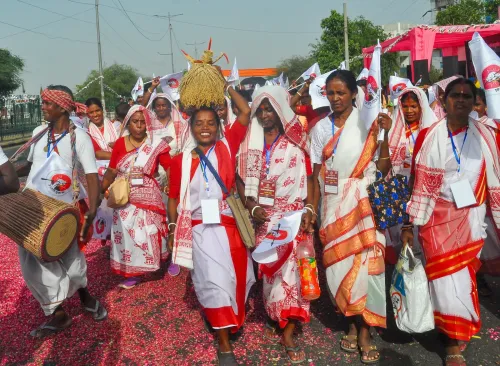
The Janjati Sanskritik Samagam brought together tribal representatives from multiple states to Delhi for a national-level cultural exchange. For tribal communities — particularly those in Jharkhand, Odisha, Chhattisgarh, Madhya Pradesh, and the northeastern states — the event represents official recognition of their historical and cultural identity at the highest levels of government.
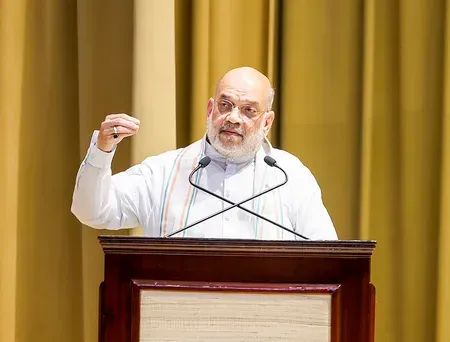
Shah's direct engagement with attendees, described in his post as samvad (dialogue), signals the government's intent to position the anniversary not merely as a ceremonial occasion but as an interactive platform connecting tribal voices with central leadership.
What's Next
State-level commemorations are expected to continue through the remainder of the 150th anniversary year ending 15 November 2026. Observers will watch whether the momentum from events like the Janjati Sanskritik Samagam translates into legislative or budgetary proposals concerning tribal welfare in the forthcoming sessions of Parliament. The scale and frequency of such outreach events will also be closely tracked in states with significant tribal populations ahead of scheduled assembly elections.
Point of View
A pattern that has intensified since the creation of Janjatiya Gaurav Divas in 2021. Shah's personal attendance and framing of the event as 'samvad' — dialogue rather than address — is a deliberate signal of participatory intent toward communities that have historically felt peripheral to national politics. The 150th anniversary year provides a politically significant window: tribal constituencies are electorally decisive in Jharkhand, Odisha, Chhattisgarh, and parts of the northeast. Whether the commemorative energy converts into concrete legislative or budgetary outcomes will determine how this outreach is ultimately assessed.
NationPress
19 Sept 2026
Frequently Asked Questions
Who is Bhagwan Birsa Munda and why is he called Dharti Aaba?
Bhagwan Birsa Munda was a 19th-century tribal leader from the Munda community in the Chotanagpur region who led the Ulgulan rebellion against British colonial rule and land alienation. He is revered as 'Dharti Aaba,' meaning 'Father of the Earth,' across tribal communities for his role in defending Adivasi rights and land.
What is Janjatiya Gaurav Divas?
Janjatiya Gaurav Divas is a national day observed on 15 November, designated by the Government of India in 2021 to commemorate the birth anniversary of Birsa Munda and recognise the contributions of tribal communities to India's freedom struggle.
What is the Janjati Sanskritik Samagam?
The Janjati Sanskritik Samagam is a national-level cultural gathering of tribal representatives from across India, organised in Delhi to mark the 150th birth anniversary year of Bhagwan Birsa Munda.
Why is 2026 significant for Birsa Munda's anniversary?
Birsa Munda was born on 15 November 1875, making 2025-2026 his 150th birth anniversary year. The Central government has been organising a series of events throughout this period to commemorate his legacy.
What did Amit Shah say at the Janjati Sanskritik Samagam?
Amit Shah posted on X that the entire country was celebrating Birsa Munda's 150th birth anniversary year with joy, and that he was engaging in dialogue with tribal sisters and brothers who had gathered from across the country at the event in Delhi.