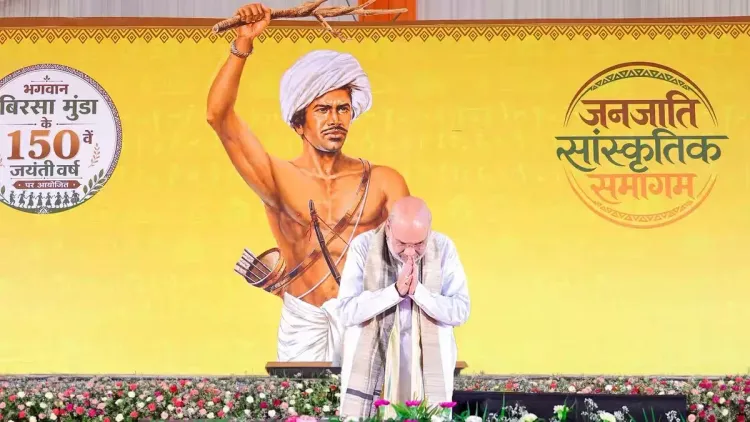
Amit Shah addresses tribal cultural meet on Birsa Munda's 150th birth year
Synopsis
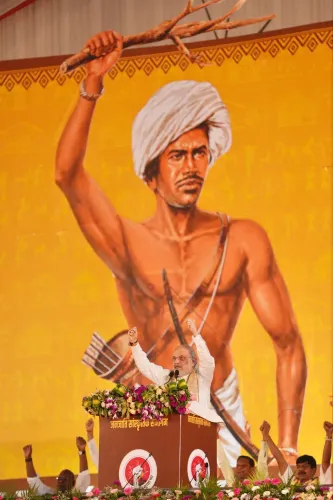
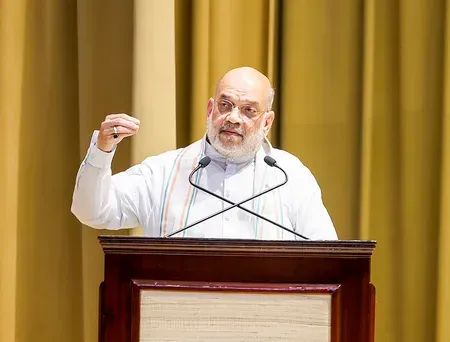
Union Home Minister Amit Shah addressed the Adivasi Sanskritik Samagam in New Delhi on 25 May 2026, marking the 150th birth anniversary year of Birsa Munda. The event brought together tribal communities from across India as part of the government's sustained outreach to Scheduled Tribe populations.
Key Takeaways
Union Home Minister Amit Shah addressed the Adivasi Sanskritik Samagam in New Delhi on 25 May 2026 .
The event marks the 150th birth anniversary year of tribal icon Birsa Munda (1875–1900) , who led the Ulgulan rebellion against British colonial rule.
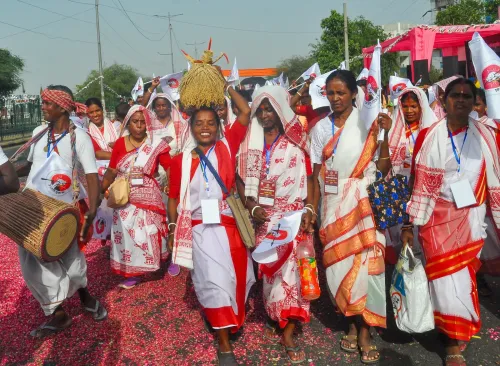
Shah said he conversed with representatives from more than 550 tribal communities who came from across the country.
The central government instituted Janjatiya Gaurav Diwas on 15 November in 2021 to honour Birsa Munda's legacy and tribal contributions to India's freedom struggle.
The gathering is part of a broader pattern of Adivasi cultural outreach by the Ministry of Home Affairs and Ministry of Tribal Affairs since 2014.
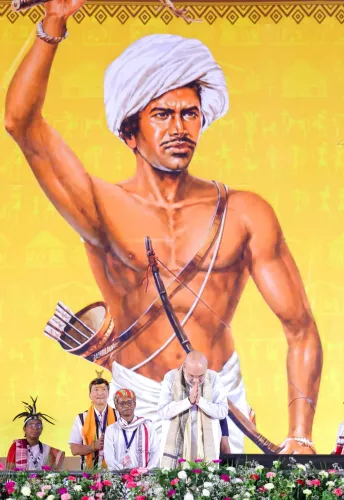
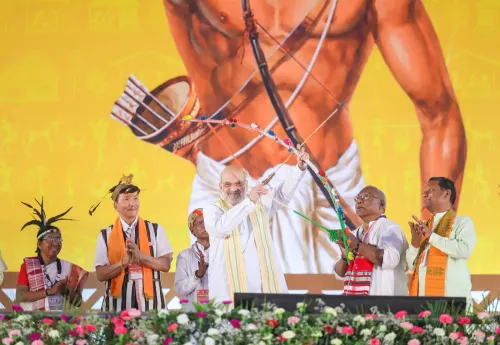
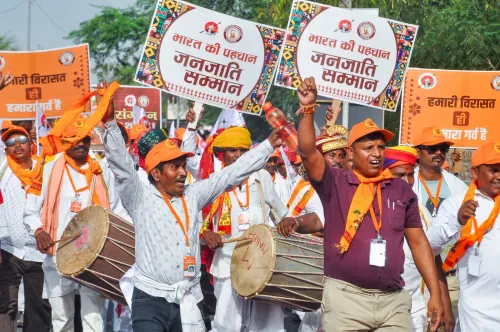
Union Home Minister Amit Shah on Monday, 25 May 2026 addressed a large tribal cultural gathering in New Delhi, describing the experience as emotionally overwhelming. The event, titled Adivasi Sanskritik Samagam (Tribal Cultural Confluence), was organised to mark the 150th birth anniversary year of revered tribal icon Birsa Munda and brought together representatives of tribal communities from across the country.
Posting on X, Shah wrote: 'Bhagwan Birsa Munda ji ke 150ve jayanti varsh par Delhi mein aayojit Adivasi Sanskritik Samagam mein desh ke kone-kone se aaye 550 se adhik janjatiya samaajon ke laakhon behnon-bhaaiyon se sanvaad kar mann bhaavnaon se bhar gaya.' In English: 'At the Adivasi Sanskritik Samagam held in Delhi on the occasion of Bhagwan Birsa Munda's 150th birth anniversary year, my heart was filled with emotion after conversing with lakhs of sisters and brothers from more than 550 tribal communities who came from every corner of the country.'
Context
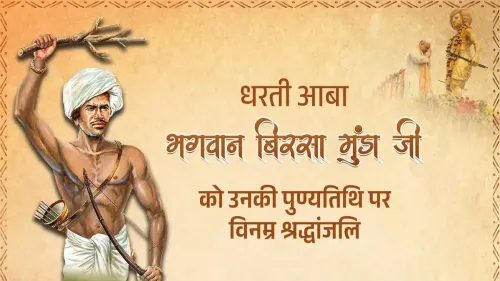
Birsa Munda (1875–1900) was a Munda tribal leader from the Chota Nagpur region who led the Ulgulan — a rebellion against British land dispossession and colonial rule. He remains a central figure in Adivasi political and cultural memory, revered as Dharti Aaba (Father of the Earth) by tribal communities across Jharkhand, Odisha, West Bengal, and beyond. His 150th birth anniversary year has been the occasion for a series of national commemorations.
Policy Backdrop
In 2021, the central government instituted Janjatiya Gaurav Diwas on 15 November — Birsa Munda's birth anniversary — to formally recognise the contributions of tribal communities to India's freedom struggle. Since 2014, central government commemorations of tribal icons have expanded significantly, encompassing memorials, museums, and the renaming of institutions after leaders such as Birsa Munda. The Adivasi Sanskritik Samagam in Delhi fits within this broader pattern of large-scale cultural outreach organised by the Ministry of Home Affairs and the Ministry of Tribal Affairs.
These efforts are positioned as part of a wider national project to integrate Adivasi histories into mainstream narratives while directing targeted welfare and infrastructure programmes toward Scheduled Tribe areas across the country.
Stakeholders and Impact
The gathering drew representatives from tribal societies spanning multiple states, reflecting the geographic diversity of India's Scheduled Tribe population. For Adivasi cultural organisations, such high-profile national events offer visibility and a platform to articulate community concerns before senior government leadership. Shah's direct engagement with participants — described in his post as a sanvaad (dialogue) — signals the government's intent to position the ruling dispensation as a champion of tribal rights and heritage.
The event also carries political significance, as tribal voters constitute a substantial and increasingly contested demographic in states such as Jharkhand, Chhattisgarh, Madhya Pradesh, and Odisha.
What's Next
With the 150th anniversary year of Birsa Munda's birth continuing through 2025–26, further state-level cultural events and potential new tribal welfare announcements are expected. The central government is likely to sustain momentum on Adivasi outreach as the commemorative calendar progresses, with Janjatiya Gaurav Diwas on 15 November serving as the annual focal point for such observances.
Point of View
Memorials, and dedicated observance days. Shah's personal attendance and emotional framing of the dialogue are consistent with a strategy of direct, visible outreach to Scheduled Tribe communities, who are a pivotal vote bloc in central and eastern India. The 150th anniversary year of Birsa Munda provides a politically resonant occasion to reinforce this positioning ahead of future state elections in tribal-heavy constituencies. Whether the symbolism translates into substantive policy gains for tribal communities remains the question advocates and opposition parties are likely to press.
NationPress
22 Sept 2026
Frequently Asked Questions
What is the Adivasi Sanskritik Samagam?
The Adivasi Sanskritik Samagam is a national-level tribal cultural gathering held in New Delhi to mark the 150th birth anniversary year of Birsa Munda, bringing together representatives of tribal communities from across India.
Who was Birsa Munda?
Birsa Munda (1875–1900) was a Munda tribal leader from the Chota Nagpur region who led the Ulgulan rebellion against British land policies and colonial rule. He is revered as Dharti Aaba by tribal communities.
What is Janjatiya Gaurav Diwas?
Janjatiya Gaurav Diwas is a national day observed on 15 November — Birsa Munda's birth anniversary — instituted by the central government in 2021 to honour tribal contributions to India's freedom struggle.
Why did Amit Shah attend the tribal gathering in Delhi?
Amit Shah attended the Adivasi Sanskritik Samagam as part of the government's commemorations of Birsa Munda's 150th birth anniversary year, engaging in dialogue with tribal community representatives from across the country.
Which tribal communities attended the Delhi event?
According to Amit Shah's post, representatives from more than 550 tribal communities from every part of India attended the Adivasi Sanskritik Samagam in New Delhi.