Janjati Sanskritik Samagam: 1.5 lakh tribal delegates unite at Delhi conclave
Synopsis
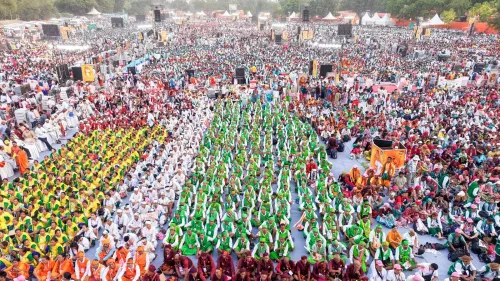
Over 1.5 lakh tribal delegates from more than 550 communities across India gathered at New Delhi's Janjati Sanskritik Samagam — the largest such conclave in recent memory — to honour Birsa Munda's 150th birth anniversary year. Participants came not just to celebrate culture, but to assert it: calling on all communities to wear their heritage with pride.
Key Takeaways
Over 1.5 lakh representatives from more than 550 tribal communities attended the Janjati Sanskritik Samagam in New Delhi on 25 May 2025 .
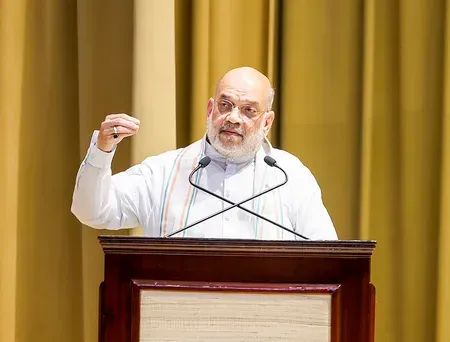
Union Home Minister Amit Shah was the chief guest; part of the event was held at the Red Fort premises.
The conclave commemorates the 150th birth anniversary year of tribal icon Birsa Munda .
India has approximately 750 tribal communities ; participants described the gathering as 'a miniature India.' Attendees cited both cultural pride and advocacy for tribal rights as their reasons for attending.
BJP leaders framed the event as a celebration of tribal unity and India's composite cultural identity.
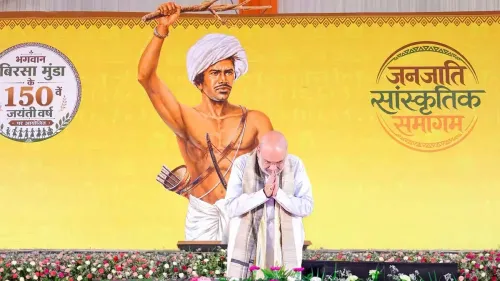
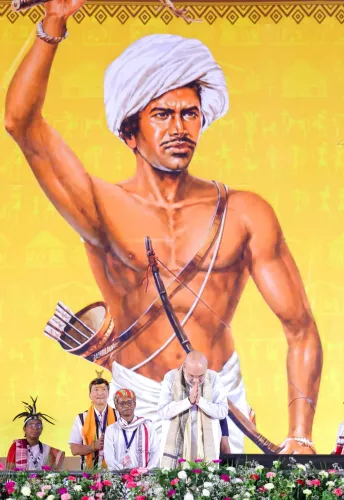
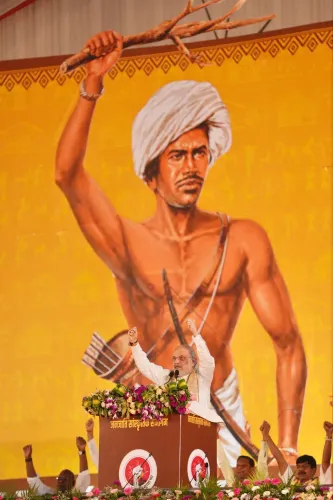
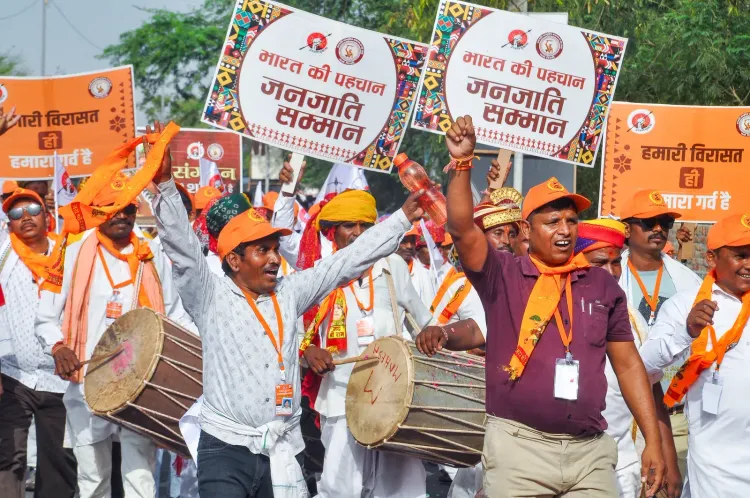
More than 1.5 lakh representatives from over 550 tribal communities across India converged on New Delhi on Sunday, 25 May 2025 for the Janjati Sanskritik Samagam (Tribal Cultural Conclave), a mega gathering held to mark the 150th birth anniversary year of tribal icon Birsa Munda. Union Home Minister Amit Shah attended as the chief guest, with a significant portion of the event held at the Red Fort premises.
A Gathering of India's Tribal Diversity
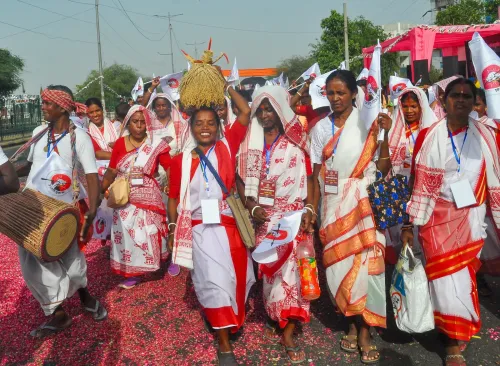
India is home to approximately 750 tribal communities, and participants noted that representatives from more than 550 of those societies were visibly present at the conclave. One attendee described the scene as 'a miniature India,' with distinct cultures, traditional attire, dialects, musical instruments, and lifestyles on display side by side.
A participant from Uttarakhand said she had not witnessed a tribal event of this scale in her 40 years of life. Showcasing her traditional attire, she said: 'Everybody should be proud to display their culture.'
What Participants Said
Several attendees spoke about the dual purpose of the conclave — cultural celebration and community solidarity. One tribal woman said participants had come with a clear intent: 'We are here in New Delhi to support and protect the tribal community and the issues being faced by them.'
Another participant echoed the sentiment, saying the programme aimed to foster interaction across regions and languages. 'Our aim is to interact with people from different regions and languages, and it feels very good. Good arrangements have also been made here,' he said.
Political Significance and BJP's Outreach
Bharatiya Janata Party (BJP) leaders attending the conclave framed the event as a celebration of tribal unity and the culture of a united India. The choice of the Red Fort as a venue adds symbolic weight — the same site used for national addresses — signalling the government's intent to position tribal heritage at the centre of India's cultural identity.
The conclave is part of a broader series of commemorations around Birsa Munda's 150th birth anniversary. Munda, who led the Ulgulan (Great Tumult) uprising against British colonial rule in the late 19th century, is revered across tribal communities in Jharkhand, Odisha, and beyond.
Broader Context and What Comes Next
The scale of the Janjati Sanskritik Samagam is notable: bringing together over half of India's recognised tribal societies in a single venue is logistically unprecedented in recent memory. Notably, tribal communities account for roughly 8.6% of India's population according to the 2011 Census, yet their cultural representation at national events has historically been limited.
With the conclave drawing participation from diverse linguistic and geographic groups, observers will watch whether the momentum translates into concrete policy attention to tribal land rights, forest rights, and welfare outcomes — issues that participants themselves cited as reasons for attending.
Point of View
Timed to Birsa Munda's anniversary. Yet the gap between spectacle and substance remains wide: tribal communities continue to face acute pressures on land rights, forest access, and economic mobility. The real measure of this conclave will not be its attendance figures but whether it generates any durable policy response to the grievances participants themselves named on the day.
NationPress
20 Sept 2026
Frequently Asked Questions
What is the Janjati Sanskritik Samagam?
The Janjati Sanskritik Samagam is a Tribal Cultural Conclave held in New Delhi to bring together tribal communities from across India. The 2025 edition was organised to commemorate the 150th birth anniversary year of tribal icon Birsa Munda, with over 1.5 lakh delegates from more than 550 tribal communities attending.
Who attended the Janjati Sanskritik Samagam as chief guest?
Union Home Minister Amit Shah attended the conclave as the chief guest. BJP leaders were also present and described the event as a celebration of tribal unity and India's composite cultural identity.
Why is Birsa Munda significant to India's tribal communities?
Birsa Munda led the Ulgulan (Great Tumult) uprising against British colonial rule in the late 19th century and is revered as a symbol of tribal resistance and identity, particularly in Jharkhand and Odisha. The 2025 conclave is part of a broader series of national commemorations marking his 150th birth anniversary year.
How many tribal communities are there in India?
India is home to approximately 750 tribal communities, who together account for roughly 8.6% of the country's population according to the 2011 Census. Representatives from more than 550 of these communities were present at the New Delhi conclave.
What issues did tribal participants raise at the conclave?
Beyond cultural celebration, several participants said they attended to 'support and protect the tribal community and the issues being faced by them.' While specific policy demands were not detailed at the event, tribal land rights, forest rights, and welfare outcomes are longstanding concerns across communities.