Janjati Sanskritik Samagam: BJP leaders say Delhi tribal conclave showcases united India
Synopsis
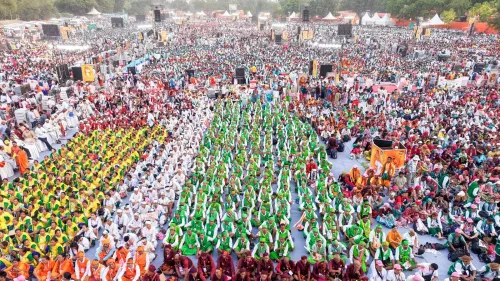
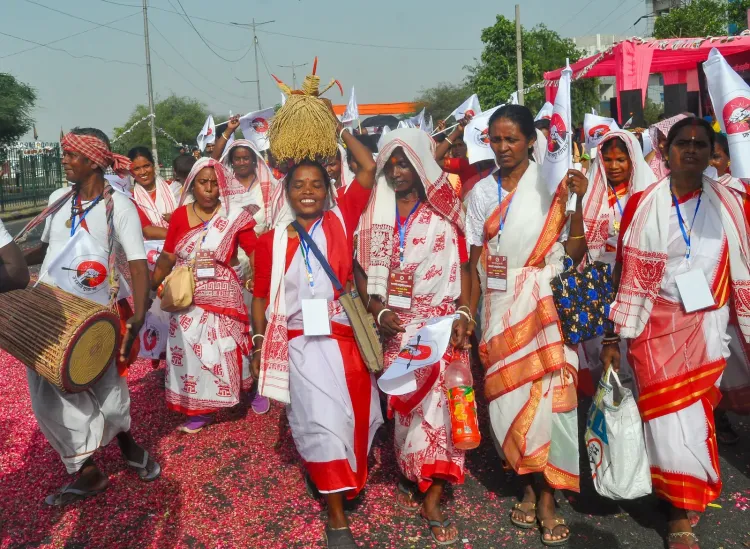
Thousands of tribal community members from every corner of India — from Andaman to Nagaland — gathered at the Red Fort in New Delhi for the BJP-organised Janjati Sanskritik Samagam, marking Birsa Munda's 150th birth anniversary. With Amit Shah as chief guest and CMs Vishnu Deo Sai and Arjun Munda on the dais, the conclave blended cultural pride with a pointed warning against what leaders called 'anti-religious elements' targeting tribal traditions.
Key Takeaways
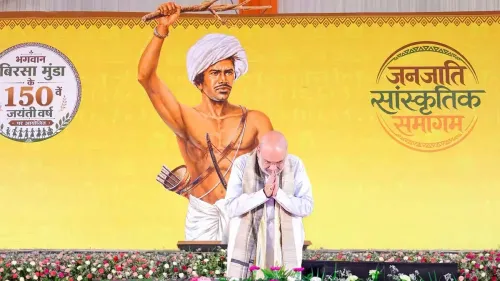
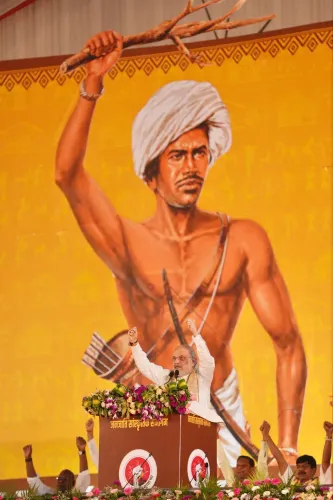
The Janjati Sanskritik Samagam was held in New Delhi on 25 May 2025 , partly at the Red Fort , to mark Bhagwan Birsa Munda's 150th birth anniversary .
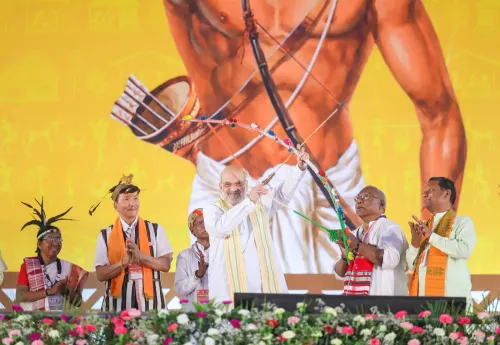
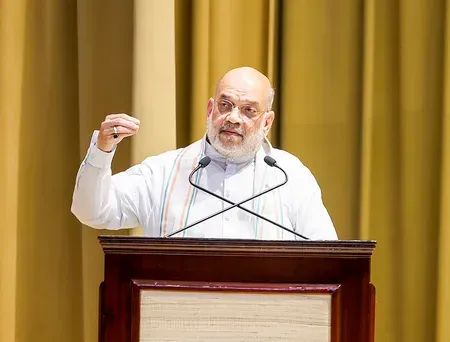
Union Home Minister Amit Shah attended as chief guest; Chhattisgarh CM Vishnu Deo Sai and former Jharkhand CM Arjun Munda addressed the gathering.
Tribal representatives attended from over a dozen states and territories, including Andaman and Nicobar Islands , Nagaland , Meghalaya , and Sikkim ; between 2,500 and 3,000 Santhal community members were present.
BJP MP Bansuri Swaraj clarified the event carries no electoral agenda, calling it a tribute to Birsa Munda and a celebration of tribal culture.
CM Vishnu Deo Sai warned against 'anti-religious elements' attempting to erode tribal customs and traditions.
The Union government designated 15 November as Janjatiya Gaurav Divas in 2021 ; this conclave is part of a sustained political outreach to India's tribal communities, who make up over 8% of the population.
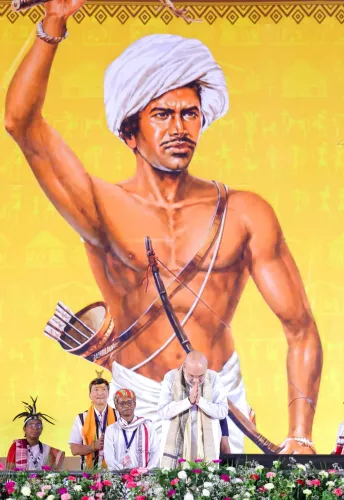
Bharatiya Janata Party (BJP) leaders at the 'Janjati Sanskritik Samagam' (Tribal Cultural Conclave) in New Delhi on Sunday, 25 May 2025 declared the grand gathering a celebration of tribal unity and cultural diversity, saying it embodied the spirit of a united India. The event, held partly at the Red Fort, was convened to mark the 150th birth anniversary of tribal icon Bhagwan Birsa Munda, with Union Home Minister Amit Shah attending as chief guest.
Scale and Participation
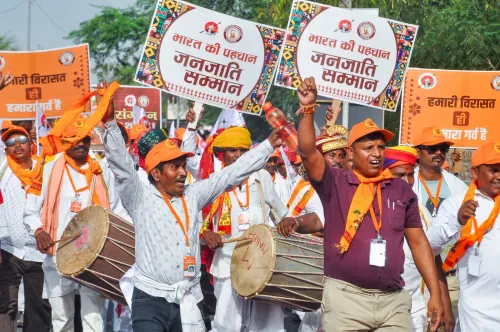
Tribal communities from across the country converged on the national capital, with representatives arriving from Arunachal Pradesh, Telangana, Chhattisgarh, Maharashtra, West Bengal, and northeastern states including Nagaland, Meghalaya, and Sikkim. Participants from the Andaman and Nicobar Islands were also in attendance. According to Janjati Suraksha Manch member Manohar Santhal, between 2,500 and 3,000 members of the Santhal community alone were present. Attendees wore traditional tribal attire, which Santhal noted represents a core identity marker alongside food habits and lifestyle.
What BJP Leaders Said
BJP MP Bansuri Swaraj was explicit that the conclave carries no electoral intent. 'It is an event to pay tribute to Bhagwan Birsa Munda, which has brought our tribal brothers and sisters to the national capital. It represents the culture and idea of a united India,' she said. BJP MP Manoj Tiwari described the Red Fort venue as symbolically significant, saying it would 'represent a complete democracy today,' adding that tribal communities are 'part of the country's mainstream' and that Delhi 'belongs to them too.'
Voices from Tribal Leadership
Chhattisgarh Chief Minister Vishnu Deo Sai, described as one of the country's senior tribal leaders, struck a defensive tone on cultural preservation. 'For the past several years, some anti-religious elements have been trying to break our traditions, suppress our customs, and weaken our culture,' he said. 'Therefore, today, tribal communities from across the country have united here to demonstrate their strength and solidarity.' Former Jharkhand Chief Minister Arjun Munda said the gathering sends a message 'not only to the tribal society of India but also to the entire nation,' underscoring the community's distinct identity rooted in ancient civilisation and tradition.
Community Development on the Agenda
Beyond cultural affirmation, Manohar Santhal stressed that the event must translate into tangible outcomes. 'We have to work towards ensuring development for the community and address their issues,' he said. The conclave thus carried a dual mandate — cultural solidarity and a forward-looking conversation on tribal welfare, even as BJP leaders positioned it firmly outside the realm of electoral promises.
Significance and Context
The 150th birth anniversary of Bhagwan Birsa Munda, the 19th-century tribal freedom fighter and folk deity revered across Jharkhand, Chhattisgarh, and Odisha, has been observed with heightened political attention in recent years. This is the second consecutive year that the Centre has organised a large-scale national event in his memory. Notably, 15 November — Birsa Munda's birth date — was designated Janjatiya Gaurav Divas (Tribal Pride Day) by the Union government in 2021, reflecting a broader political outreach to tribal constituencies that account for over 8% of India's population.
Point of View
Often aimed at Christian missionary influence in Adivasi belts — a charge that remains contested and politically charged. The real test of the conclave's value will be in policy follow-through: tribal districts still lag on health, education, and land rights indices, and a cultural event, however grand, does not move those numbers.
NationPress
26 Sept 2026
Frequently Asked Questions
What is the Janjati Sanskritik Samagam held in Delhi?
The Janjati Sanskritik Samagam is a BJP-organised Tribal Cultural Conclave held in New Delhi on 25 May 2025 to commemorate the 150th birth anniversary of tribal icon Bhagwan Birsa Munda. The event, with Union Home Minister Amit Shah as chief guest, brought together tribal communities from across India at the Red Fort and other venues in the capital.
Who attended the Janjati Sanskritik Samagam?
Tribal representatives from states including Arunachal Pradesh, Telangana, Chhattisgarh, Maharashtra, West Bengal, Nagaland, Meghalaya, Sikkim, and the Andaman and Nicobar Islands attended. Senior BJP leaders including Amit Shah, Chhattisgarh CM Vishnu Deo Sai, former Jharkhand CM Arjun Munda, and MPs Bansuri Swaraj and Manoj Tiwari were also present.
Is the tribal conclave linked to upcoming elections?
BJP MP Bansuri Swaraj explicitly stated that the event is not an election promise, describing it as a tribute to Bhagwan Birsa Munda and a celebration of tribal culture and national unity.
Why is Bhagwan Birsa Munda significant for tribal communities?
Bhagwan Birsa Munda was a 19th-century tribal freedom fighter and folk deity revered across Jharkhand, Chhattisgarh, and Odisha. His 150th birth anniversary is the occasion for this conclave, and the Union government has designated his birth date, 15 November, as Janjatiya Gaurav Divas (Tribal Pride Day) since 2021.
What concerns did tribal leaders raise at the conclave?
Chhattisgarh Chief Minister Vishnu Deo Sai warned that 'anti-religious elements' have been attempting to erode tribal customs and traditions. Janjati Suraksha Manch member Manohar Santhal called for concrete action on community development and addressing tribal issues beyond the cultural celebration.