CM Sai, Amit Shah Push Bastar's Shift from Naxal Fear to Development
Synopsis
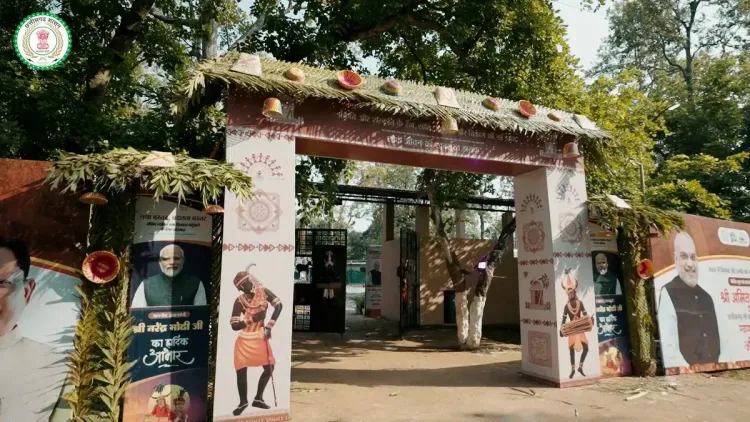
The Chhattisgarh CMO declared Bastar free of Naxalism on 22 May 2026, with Union Home Minister Amit Shah visiting the region to honour martyrs, boost security forces, and reaffirm development commitments under the Ujar Bastar programme led by PM Modi, Shah and CM Sai.
Key Takeaways
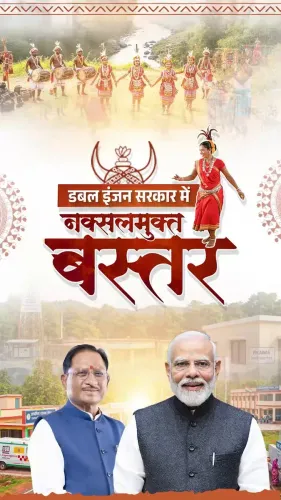
The Chhattisgarh CMO declared on 22 May 2026 that Bastar has been made Naxal-free under the leadership of PM Modi , Amit Shah , and CM Vishnu Deo Sai .
Union Home Minister Amit Shah visited Bastar — described as his first visit after the anti-Naxal campaign's success — to pay tribute to martyrs and boost security force morale.
Shah participated in the 'Ujar Bastar' programme, reiterating the government's commitment to development in the formerly insurgency-affected region.
The BJP government in Chhattisgarh , elected in 2023 , had declared making the state Naxal-free a top priority from the outset of its term.
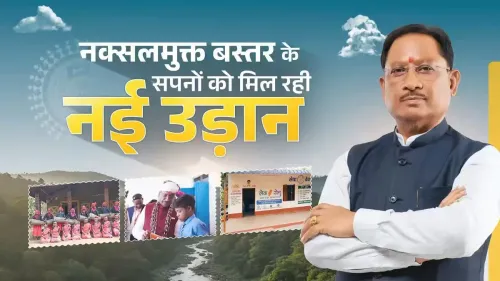
The Ujar Bastar initiative focuses on rebuilding infrastructure, security, and welfare in former Naxal-affected areas of Bastar .
The government is framing Bastar as a new symbol of 'trust, security and good governance,' with tribal communities and local administration as primary stakeholders in the transition.
The Chief Minister's Office of Chhattisgarh declared on Friday, 22 May 2026 that Bastar has emerged from the shadow of Naxalism to chart a new course of peace and development, crediting the combined leadership of Prime Minister Narendra Modi, Union Home Minister Amit Shah, and Chief Minister Vishnu Deo Sai.
Context
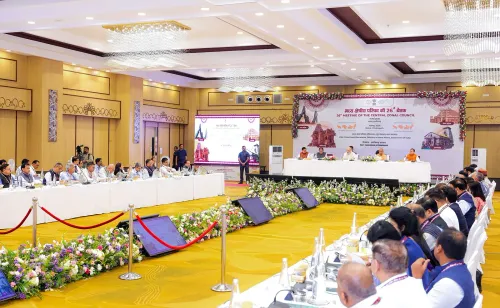
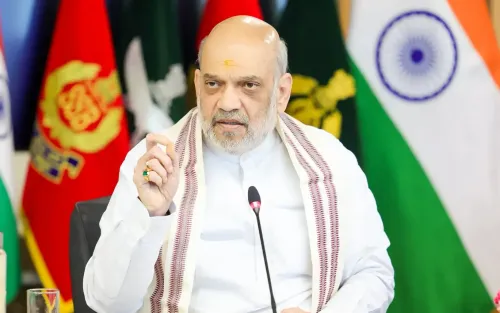
The CMO's post, written in Hindi, announced: 'Bastar mein badla daur: dar se vikas tak ki udaan' ('Bastar's era has changed: a flight from fear to development'). It stated that Bastar has emerged from the darkness of Naxalism and is now on a new path of peace and development. The post further noted that Union Home Minister Amit Shah visited Bastar for the first time after the success of the anti-Naxal campaign, where he paid tribute to martyrs, boosted the morale of security forces, and reiterated a commitment to development at the 'Ujar Bastar' programme.
The official communication frames Bastar as a region transforming into a new symbol of 'trust, security and good governance.' The hashtag #NaxalMuktBharat (Naxal-free India) accompanied the post, signalling the broader national ambition behind the state-level effort.
Policy Backdrop
The push to rid Chhattisgarh of Left-Wing Extremism has deep roots in national policy. The Ministry of Home Affairs outlined a combined security-and-development framework for Naxal-affected districts as far back as 2015, linking sustained security operations with accelerated delivery of roads, schools, and livelihood programmes. Bastar, with its dense forest terrain and large tribal population, has long been the most visible front of this effort in what was once called the Red Corridor.
After the BJP returned to power in Chhattisgarh following the 2023 assembly elections, Chief Minister Vishnu Deo Sai made making the state Naxal-free a declared top priority. The Ujar Bastar programme — a state and central initiative — was designed to channel infrastructure investment and welfare delivery into formerly insurgency-affected areas once security conditions improved.
Stakeholders and Impact
The primary beneficiaries of the transition are Bastar's tribal communities, who bore the heaviest burden of decades of insurgency — displacement, restricted movement, and limited access to government services. Security forces, who suffered significant casualties over the years, are being publicly honoured as the campaign's human cost is acknowledged.
Local administration officials are now positioned to extend governance into areas that were previously inaccessible. Road construction, school functioning, and irrigation projects under the Ujar Bastar programme are seen as the tangible test of whether the security gains translate into lasting civilian welfare.
What's Next
Attention will now turn to the pace of implementation of development projects announced under Ujar Bastar, including roads, schools, and irrigation infrastructure in the formerly Naxal-affected belt. Any formal revision by the Ministry of Home Affairs to the list of Left-Wing Extremism-affected districts in Chhattisgarh would be a significant official marker of the transition's depth.
The government's ability to sustain development momentum — and to demonstrate that reduced insurgency translates into measurable improvements in tribal livelihoods — will determine whether Bastar's rebranding as a zone of 'trust and good governance' endures beyond the current political moment.
Point of View
Using Amit Shah's Bastar visit to signal that the BJP's core 2023 election promise — a Naxal-free state — has been delivered. Framing the visit as a 'first after the campaign's success' elevates it from a routine administrative tour to a victory lap, reinforcing the national #NaxalMuktBharat narrative ahead of future electoral cycles. The pivot to the Ujar Bastar development programme is also significant: it shifts the government's accountability frame from security metrics to development outcomes, a harder benchmark to contest but also harder to deliver. Whether tribal communities in Bastar experience tangible gains in roads, schools and livelihoods will ultimately determine whether this political narrative holds.
NationPress
23 Oct 2026
Frequently Asked Questions
What is the Ujar Bastar programme?
Ujar Bastar is a state and central government initiative aimed at rebuilding infrastructure, improving security, and delivering welfare services in the formerly Naxal-affected areas of the Bastar region in Chhattisgarh.
Has Bastar been declared Naxal-free?
The Chhattisgarh government has declared Bastar Naxal-free as of 2026, attributing this to coordinated security operations under the leadership of PM Narendra Modi, Union Home Minister Amit Shah, and Chief Minister Vishnu Deo Sai. An official revision to the MHA's affected-district list would constitute formal confirmation.
Why did Amit Shah visit Bastar in May 2026?
According to the Chhattisgarh CMO, Amit Shah visited Bastar to pay tribute to martyrs of the anti-Naxal campaign, boost the morale of security forces, and participate in the Ujar Bastar development programme, reiterating the government's commitment to the region's growth.
Who is Vishnu Deo Sai?
Vishnu Deo Sai is the Chief Minister of Chhattisgarh, in office since December 2023 following the BJP's victory in the state assembly elections. He has made making Chhattisgarh Naxal-free a central goal of his administration.
What is the history of Naxalism in Bastar?
Bastar in southern Chhattisgarh has been one of the most affected areas of India's Left-Wing Extremism insurgency for decades. Its dense forests and large tribal population made it a stronghold of Naxalite groups. The central government's 2015 national policy linked security operations with development to address the insurgency's root causes.