Amit Shah declares Bastar Naxal-free, blames Cong govt for delay
Synopsis
Home Minister Amit Shah stood in Jagdalpur — the heart of what was once India's most Naxal-affected region — and declared the insurgency over, ahead of schedule. The announcement reframes Bastar from a security crisis into a development opportunity, but also opens a sharp political front against the previous Congress government in Chhattisgarh.
Key Takeaways
Home Minister Amit Shah declared Bastar and India completely Naxal-free on 19 May , ahead of the 31 March 2026 deadline.
He alleged the previous Congress government under Bhupesh Baghel failed to cooperate in the Naxal eradication drive.
Nearly one-third of 70 security camps will be converted into Veer Shahid Gundadhur Seva Kendras offering integrated civic services.
Development plans include 13,000 mobile towers (5,000 installed), 890 post offices , and skill linkages for over 90,000 youths and women.
Every tribal woman in Bastar will reportedly receive cows and buffaloes; a dairy network is targeted within six months .
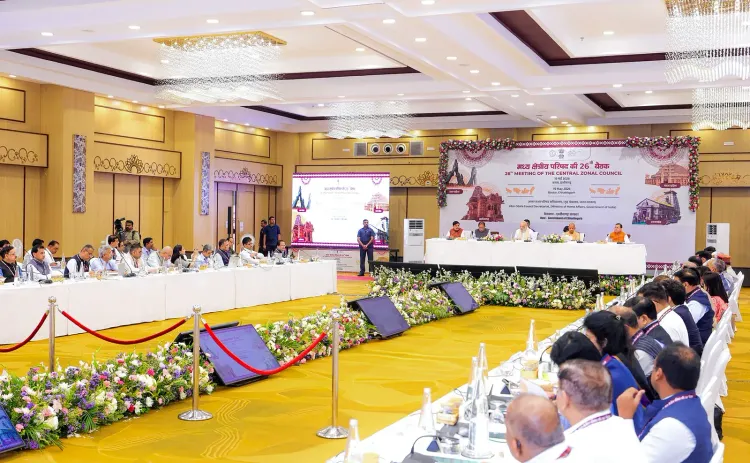
The 26th Central Zonal Council meeting in Jagdalpur was attended by four chief ministers including Yogi Adityanath and Mohan Yadav .
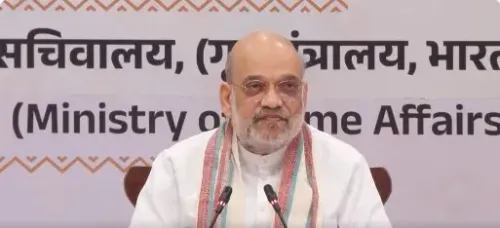
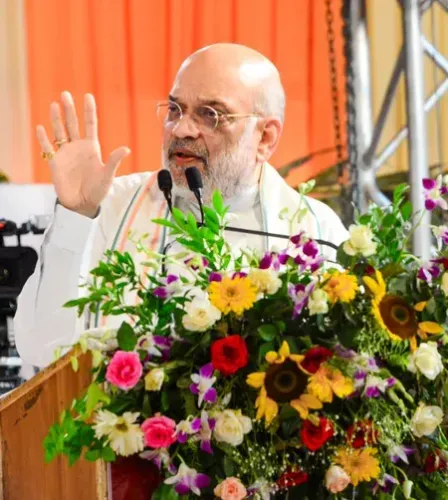
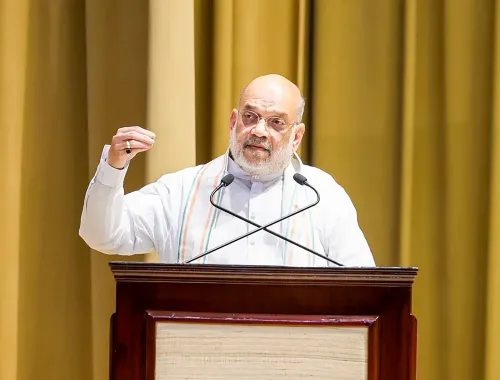
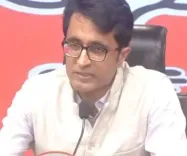
Home Minister Amit Shah on 19 May declared that Naxalism has been completely eradicated from Bastar and across the country, well ahead of the government's own deadline of 31 March 2026. Speaking at a press conference in Jagdalpur, Chhattisgarh, following the 26th meeting of the Central Zonal Council, Shah credited the supreme sacrifices of security forces for achieving what he called a historic milestone.
Key Developments
Shah noted that anti-Naxal operations gained decisive momentum after the Bharatiya Janata Party (BJP) government came to power in Chhattisgarh on 13 December 2023, under Chief Minister Vishnu Deo Sai. He alleged that the previous Congress government led by Bhupesh Baghel had failed to cooperate in the Naxal eradication campaign, effectively delaying progress. The Jagdalpur meeting was itself historic — it was the first time the Central Zonal Council convened in Bastar.
What the Government Said
Shah declared that Bastar is now 'completely free from the fear of guns and Naxalism' and that a new era of peace and development has begun in the region. He announced that nearly one-third of the 70 security camps in Bastar would be converted into 'Veer Shahid Gundadhur Seva Kendras' — integrated service centres offering banking, digital services, government scheme access, primary schools, anganwadis, and other essential facilities. These centres will also serve as hubs for employment and economic activity.
The centres are named after Gunda Dhur, a tribal leader from village Nethanar in Jagdalpur tehsil, who led the 1910 Dhurwa rebellion of the Kanger forest against British rule — a figure of deep cultural significance in Bastar.
Development Push for Bastar
Shah outlined a series of development initiatives already underway or planned for the region. Of 13,000 mobile towers planned, 5,000 have already been installed. Additionally, 890 post offices have been opened, alongside model schools, Industrial Training Institutes (ITIs), and a super-speciality hospital. Skill development linkages have been extended to over 90,000 youths and women.
On women's empowerment, Shah announced that every tribal woman in Bastar would be provided cows and buffaloes to connect them with dairy farming. The government aims to establish a large dairy network across the region within the next six months.
Who Was Present
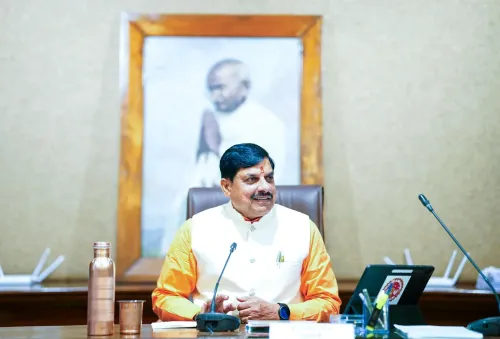
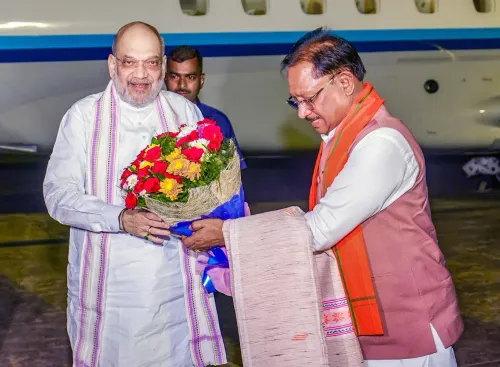
The Central Zonal Council meeting was attended by four chief ministers: Chhattisgarh CM Vishnu Deo Sai, Madhya Pradesh CM Mohan Yadav, Uttar Pradesh CM Yogi Adityanath, and Uttarakhand CM Pushkar Singh Dhami. The gathering underscored the political weight attached to the Bastar declaration.
What Comes Next
With the security infrastructure being repurposed into civilian service centres, the focus now shifts from counter-insurgency to governance delivery. Whether the dairy network, mobile connectivity, and skilling targets translate into sustained economic opportunity for Bastar's tribal communities will be the real measure of this transition.
Point of View
The BJP is consciously weaving a narrative of liberation and cultural respect. The allegation against the Baghel-era Congress government is pointed, but the claim that a previous government 'did not cooperate' in a Union-coordinated counter-insurgency campaign deserves scrutiny — Naxal operations involve central paramilitary forces whose deployment is not contingent on state government enthusiasm alone. More critically, declaring the insurgency over is not the same as solving the conditions that sustained it. Bastar's tribal communities face land rights disputes, displacement pressures, and economic marginalisation that predate the Maoists. The pivot from security camps to service centres is the right instinct; whether the institutions that follow are genuinely accessible to forest-dwelling communities, or replicate the exclusion that historically fed the insurgency, is the question no press conference can answer.
NationPress
26 Sept 2026
Frequently Asked Questions
What did Amit Shah declare about Bastar and Naxalism?
Home Minister Amit Shah declared on 19 May that Naxalism has been completely eradicated from Bastar and across India, ahead of the government's target date of 31 March 2026. He credited the bravery and sacrifices of security forces for the achievement.
Why did Amit Shah blame the Congress government?
Shah alleged that the previous Congress government under Bhupesh Baghel in Chhattisgarh did not cooperate in the Naxal eradication campaign, which he claimed delayed the achievement of a Naxal-free Bastar. The BJP came to power in the state on 13 December 2023.
What are the Veer Shahid Gundadhur Seva Kendras?
These are integrated civic service centres that will be developed from nearly one-third of the 70 existing security camps in Bastar. They will offer banking, digital services, government scheme access, primary schools, anganwadis, employment hubs, and other essential facilities, named after tribal rebel leader Gunda Dhur.
What development projects were announced for Bastar?
Shah announced 13,000 mobile towers (5,000 already installed), 890 new post offices, model schools, ITIs, a super-speciality hospital, and skill development for over 90,000 youths and women. A dairy network for tribal women, with cows and buffaloes provided to each household, is targeted within six months.
Who attended the Central Zonal Council meeting in Jagdalpur?
The 26th Central Zonal Council meeting was attended by four chief ministers: Chhattisgarh's Vishnu Deo Sai, Madhya Pradesh's Mohan Yadav, Uttar Pradesh's Yogi Adityanath, and Uttarakhand's Pushkar Singh Dhami. It was the first time the council met in Bastar.