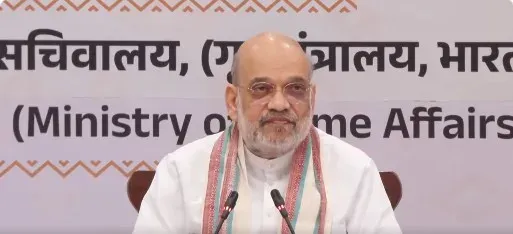
Amit Shah chairs 26th Central Zonal Council meet in Bastar, first-ever in region
Synopsis
For the first time in its history, the Central Zonal Council met in Bastar — once the heartland of Maoist insurgency. Home Minister Amit Shah's choice of Jagdalpur as the venue is a deliberate signal: the government is done treating Bastar as a security problem and is now betting on it as a development story.
Key Takeaways
Amit Shah chaired the 26th Central Zonal Council meeting in Jagdalpur, Bastar on 19 May 2025 — the first time the council met in the region.
Chief Ministers of Chhattisgarh , Madhya Pradesh , Uttar Pradesh , and Uttarakhand attended the high-level deliberations.
Key agenda items included Naxalism eradication , tribal welfare, infrastructure connectivity, and inter-state crime coordination.
Union Home Secretary Govind Mohan and IB Director Tapan Kumar Deka were among senior officials present.
The meeting is being seen as a symbolic marker of Bastar's transition from a conflict zone to a development and investment destination.
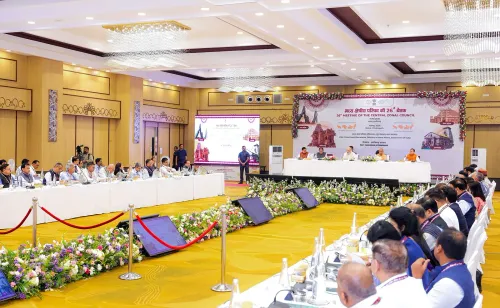
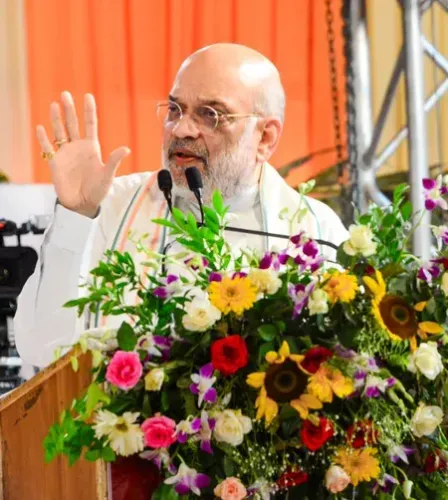
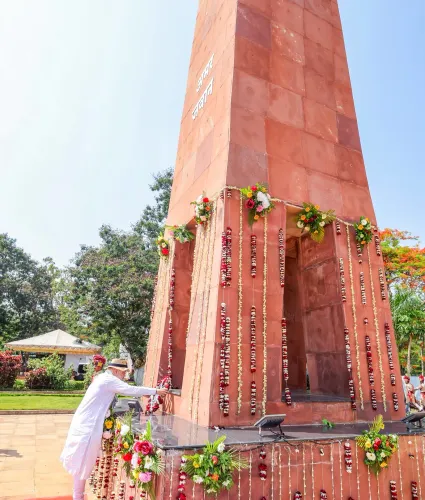
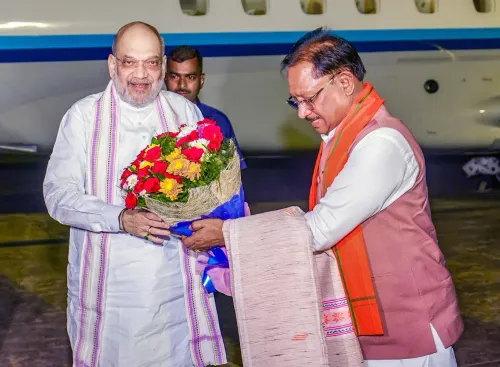
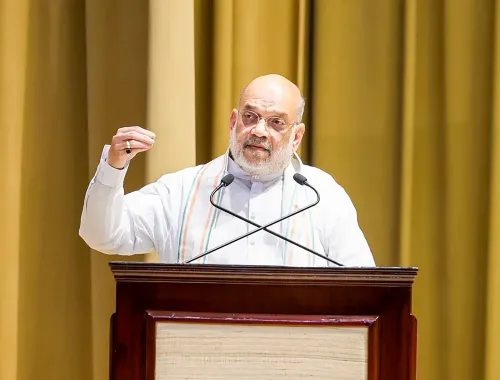
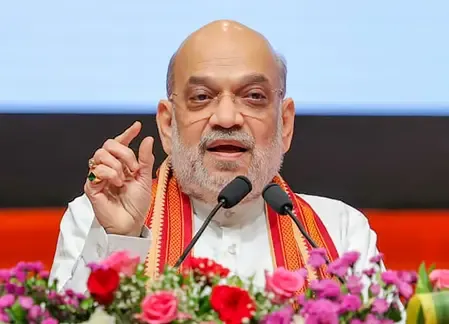
Union Home Minister Amit Shah on Tuesday, 19 May chaired the 26th meeting of the Central Zonal Council in Jagdalpur, Chhattisgarh's Bastar region — marking the first time the council has convened in this once-conflict-ridden area. The high-level gathering brought together chief ministers and senior security officials to chart a coordinated path on development, law and order, and inter-state cooperation.
Who Attended
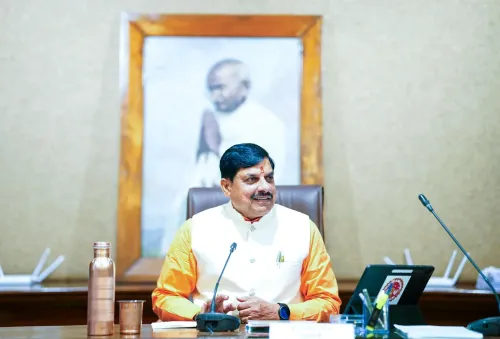
Chief Ministers Vishnu Deo Sai of Chhattisgarh, Mohan Yadav of Madhya Pradesh, Yogi Adityanath of Uttar Pradesh, and Pushkar Singh Dhami of Uttarakhand participated in the deliberations. Also present were Union Home Secretary Govind Mohan, Intelligence Bureau Director Tapan Kumar Deka, and the Directors General of Police of all four states, alongside senior police and administrative officials.
Key Agenda: Development and Security
Discussions centred on infrastructure development, connectivity — covering roads, railways, and telecom — and welfare measures for tribal communities. Special emphasis was placed on improving health, education, and livelihood opportunities in tribal areas. The meeting also stressed the need for swift action on women's safety, particularly in cases of atrocities and crimes against them.
Rooting Out Naxalism
A major focus of the council was strengthening security and eliminating the remnants of Naxalism in the region. Senior officials reviewed strategies for Maoist-affected areas, aiming to bolster security infrastructure while simultaneously accelerating development. The council deliberated on improved inter-state coordination for crime control, intelligence sharing, and maintaining peace across the zone.
Symbolic Shift for Bastar
The choice of Bastar — long associated with Left-Wing Extremism — as the venue carries strong symbolic weight. The state government is now working to reposition the region as a hub of tourism, investment, and governance. Holding this council meeting in what was once a Maoist stronghold is being seen as a concrete signal of the shift from conflict to progress. With improved security and enhanced Centre-state coordination, the focus is on delivering tangible benefits to local communities and building a new development model for Bastar.
Resolving Inter-State Issues
The meeting also addressed inter-state disputes, power supply improvement, water resources management, and broader internal security matters. The Central Zonal Council, which brings together states of central India under the Union Home Minister's chairmanship, serves as a key platform for resolving such cross-border concerns.
Point of View
Bastar was a no-go zone for high-profile government gatherings; convening a multi-state council there signals that the security situation has stabilised enough to pivot to governance optics. The real question is whether the development commitments made in the meeting room translate to ground-level delivery in tribal hamlets that have seen decades of neglect. Naxalism did not take root in a vacuum — it fed on the absence of the state. The council's agenda on tribal welfare and connectivity is the right diagnosis; the test is execution speed.
NationPress
19 Sept 2026
Frequently Asked Questions
What is the Central Zonal Council and who chairs it?
The Central Zonal Council is one of five zonal councils established under the States Reorganisation Act to promote inter-state cooperation and resolve disputes. It is chaired by the Union Home Minister and covers the states of Chhattisgarh, Madhya Pradesh, Uttar Pradesh, and Uttarakhand.
Why was the 26th Central Zonal Council meeting held in Bastar?
The meeting was held in Jagdalpur, Bastar on 19 May 2025 — the first time the council convened in the region. The choice is symbolically significant as Bastar was long associated with Maoist insurgency, and holding the meeting there signals the government's intent to reframe it as a development priority.
What were the key issues discussed at the meeting?
Discussions covered infrastructure connectivity (roads, railways, telecom), tribal welfare, health and education, women's safety, Naxalism eradication, inter-state crime coordination, intelligence sharing, power supply, and water resources management.
Which chief ministers attended the 26th Zonal Council meeting?
Chief Ministers Vishnu Deo Sai of Chhattisgarh, Mohan Yadav of Madhya Pradesh, Yogi Adityanath of Uttar Pradesh, and Pushkar Singh Dhami of Uttarakhand attended the meeting in Jagdalpur.
What is the significance of focusing on Naxalism at this meeting?
Senior officials reviewed security strategies for Maoist-affected areas, aiming to strengthen security infrastructure while pushing simultaneous development. The council's deliberations on intelligence sharing and inter-state coordination reflect a twin-track approach — security and welfare — that the Centre has been pursuing in Left-Wing Extremism-affected districts.