Amit Shah to chair 26th Central Zone Council meet in Bastar on May 19
Synopsis
Hosting the 26th Central Zonal Council meeting in Bastar is not just administrative routine — it is a deliberate political signal. A region once synonymous with Maoist violence is now the venue for a national governance forum chaired by Home Minister Amit Shah, with four chief ministers in attendance. The symbolism is unmistakable, and the stakes for Chhattisgarh's development agenda are real.
Key Takeaways
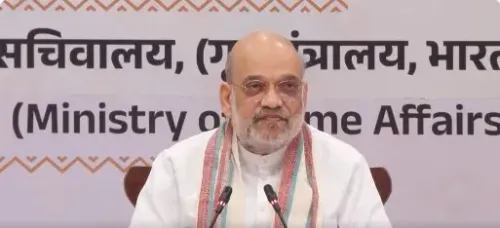
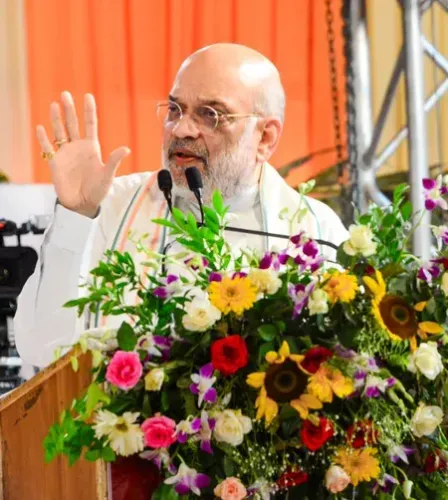
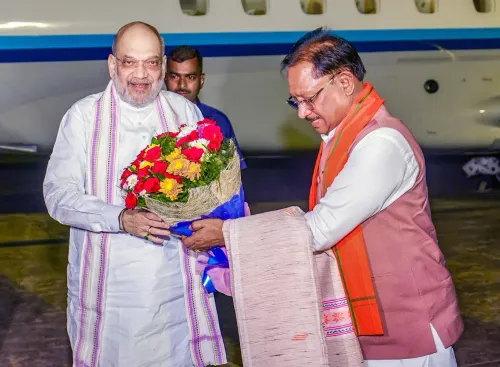
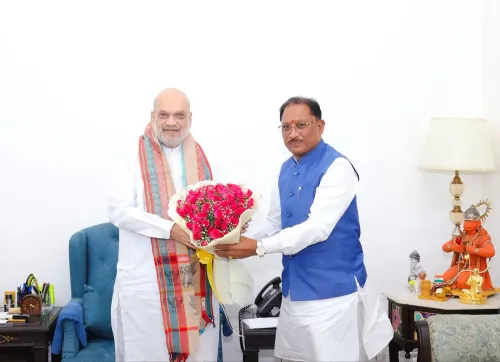
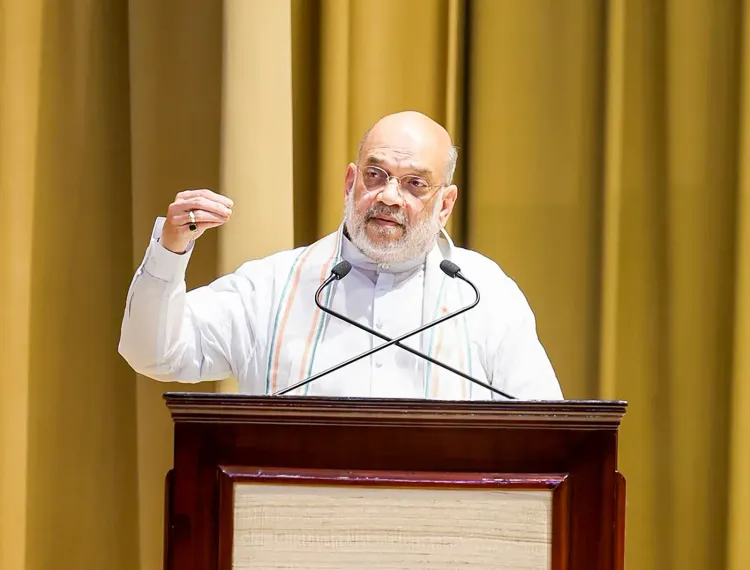
Union Home Minister Amit Shah will chair the 26th Central Zonal Council meeting in Bastar, Chhattisgarh on 19 May .
Chief ministers of Madhya Pradesh , Uttar Pradesh , Uttarakhand , and Chhattisgarh will attend.
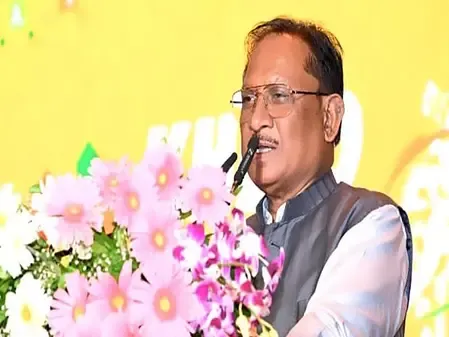
Chhattisgarh CM Vishnu Deo Sai chaired a high-level preparatory review, assigning responsibilities to senior officials.
The meeting is the first Central Zonal Council session to be held in Bastar , framed as a marker of restored peace in the region.
The Central Zonal Council was established under the States Reorganisation Act, 1956 to facilitate inter-state and Centre-state dialogue.
Union Home Minister Amit Shah will chair the 26th meeting of the Central Zonal Council in Bastar, Chhattisgarh, on 19 May, bringing together chief ministers of four states for a high-stakes forum on inter-state cooperation and federal governance. The meeting marks a symbolic milestone: it is the first such national-level assembly to be hosted in Bastar, a region long associated with Maoist insurgency.
Who Will Attend
The council session will see the convergence of the chief ministers of Madhya Pradesh, Uttar Pradesh, Uttarakhand, and host state Chhattisgarh. Chhattisgarh Chief Minister Vishnu Deo Sai will represent the host government, having already chaired a comprehensive preparatory review meeting ahead of the event.
Chhattisgarh's Preparation
During the internal review session, senior administrative officials presented a detailed overview of the agenda items and strategic proposals the state government plans to table. Chief Minister Sai assigned specific responsibilities to top officials and issued directives for seamless coordination, emphasising that arrangements must be handled with the highest degree of seriousness.
What the Council Represents
The Central Zonal Council is one of five statutory inter-state councils established under the States Reorganisation Act, 1956, designed to foster dialogue between states and between state governments and the Centre. Chief Minister Sai described the council as 'an exemplary model for the entire country,' characterised by mutual cooperation and an absence of inter-state disputes — a claim that reflects the relatively harmonious relationship among its member states compared to other zonal groupings.
Bastar as a Statement
The choice of Bastar as the venue carries unmistakable political weight. Chief Minister Sai noted that hosting an assembly of this scale in the region reflects the 'successful restoration of peace' under the leadership of Prime Minister Narendra Modi and Home Minister Shah. Bastar has witnessed a sustained anti-Naxal offensive in recent years, and officials have pointed to a significant reduction in Left Wing Extremism-related incidents as evidence of improved ground conditions.
What Comes Next
The council meeting is expected to deliberate on pending inter-state issues, development priorities, and proposals submitted by member states. Outcomes and directives from the session could shape policy coordination across the Central zone in the months ahead.
Point of View
Long the epicentre of Left Wing Extremism, fits that template. What the meeting must also deliver, beyond symbolism, is substantive progress on the development deficit that has historically fuelled discontent in the region. Inter-state forums like the Zonal Council are structurally useful but chronically underreported on outcomes; whether this session produces binding commitments or remains a photo opportunity will depend on the specificity of what gets tabled.
NationPress
23 Sept 2026
Frequently Asked Questions
What is the Central Zonal Council and which states are members?
The Central Zonal Council is one of five statutory inter-state bodies established under the States Reorganisation Act, 1956, to promote dialogue between states and between states and the Centre. Its members include Madhya Pradesh, Uttar Pradesh, Uttarakhand, and Chhattisgarh, with the Union Home Minister serving as chairperson.
Why is the 26th Central Zonal Council meeting being held in Bastar?
The meeting is being held in Bastar as a symbolic reflection of the region's improved security situation, according to Chhattisgarh Chief Minister Vishnu Deo Sai. Officials have described it as evidence of peace restoration under the leadership of Prime Minister Narendra Modi and Home Minister Amit Shah.
What will be discussed at the May 19 council meeting?
The council is expected to deliberate on inter-state issues, development priorities, and proposals submitted by member states. Chhattisgarh has prepared specific agenda points and strategic proposals to table during the session, details of which were reviewed in a preparatory meeting chaired by CM Sai.
Who is chairing the 26th Central Zonal Council meeting?
Union Home Minister Amit Shah will chair the meeting, as is standard for all Zonal Council sessions where the Home Minister serves as the statutory chairperson.
How has Chhattisgarh prepared for the council meeting?
Chief Minister Vishnu Deo Sai chaired a high-level review meeting where senior officials presented a detailed agenda overview. He assigned clear responsibilities to top officials and issued directives for flawless execution and coordination ahead of the 19 May session.