Amit Shah, Chhattisgarh CM Sai review Bastar development ahead of May 18 visit
Synopsis
Home Minister Amit Shah is set to visit Bastar on 18–19 May after a high-level review with Chhattisgarh CM Vishnu Deo Sai in New Delhi. The meeting revealed a striking pivot: former security camps are being converted into welfare hubs, and over 21.86 lakh health check-ups were completed in a single month — signalling that the Centre is betting on development optics to consolidate gains in a region long defined by conflict.
Key Takeaways
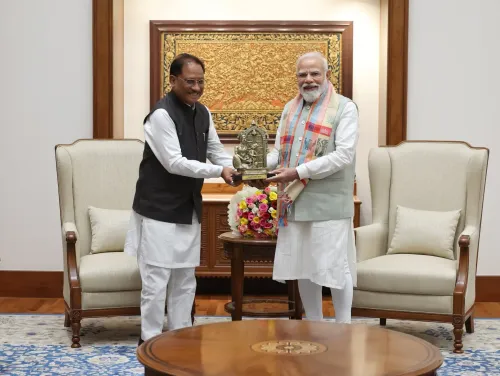
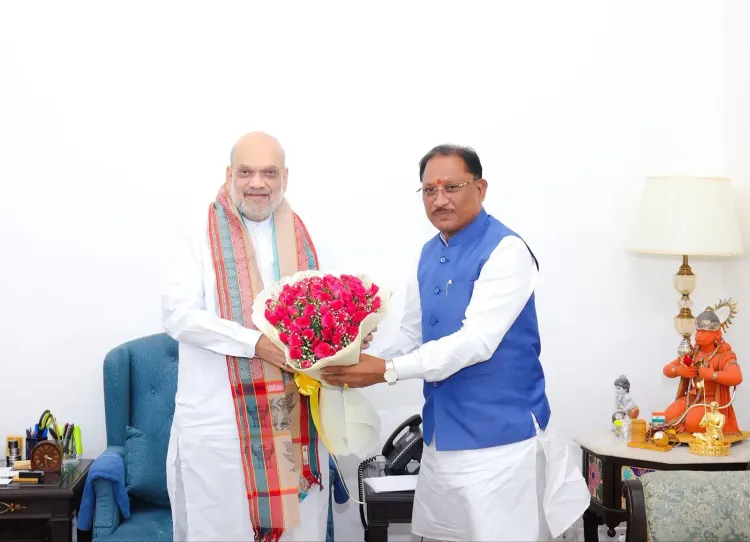
Amit Shah and Chhattisgarh CM Vishnu Deo Sai met in New Delhi on 14 May to review the Bastar development model .
Shah is reportedly scheduled to visit Bastar on 18 and 19 May for a ground-level review.
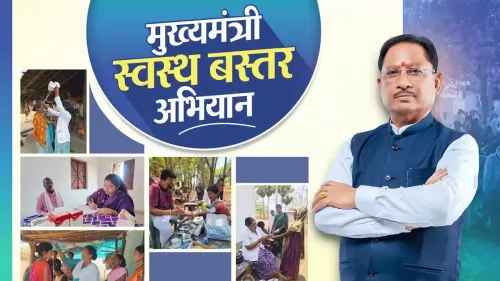
The 'Healthy Bastar' Campaign has completed health check-ups for more than 21.86 lakh people in a single month.
Former security camps are being converted into Public Convenience Centres offering access to 31 government schemes .
A new super-specialty hospital in Jagdalpur has been inaugurated to reduce patient dependence on Raipur and Bilaspur.
The 'Dial-112' emergency service has been expanded across the Bastar region.
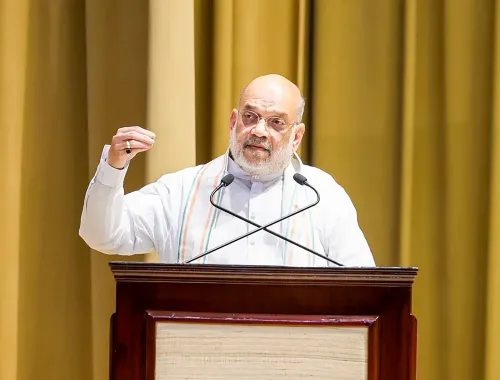
Union Home Minister Amit Shah and Chhattisgarh Chief Minister Vishnu Deo Sai held a high-level strategic meeting in New Delhi on Thursday, 14 May, focusing on the accelerating transformation of the Bastar region — long battered by Maoist insurgency. The wide-ranging discussions covered the Bastar development model, security-to-welfare transition, and the rollout of social schemes in affected areas. Shah is reportedly scheduled to visit Bastar on 18 and 19 May to review progress on the ground.
Key Developments from the Meeting
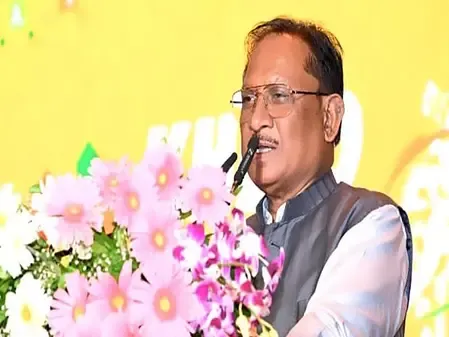
Deputy Chief Minister Vijay Sharma was also present at the meeting, offering ground-level insights into the security-development convergence underway across the state. A central highlight was a detailed briefing on the Chief Minister's 'Healthy Bastar' Campaign, under which health check-ups have been completed for more than 21.86 lakh people within a single month. Medical teams have been deployed into remote villages to provide free treatment and identify serious ailments — extending healthcare reach beyond geographical barriers that previously made such access impossible.
From Security Camps to Public Convenience Hubs
One of the more striking pivots in Chhattisgarh's strategy is the conversion of former security camps into Public Convenience Centres. These integrated hubs now serve as single-window access points for citizens, covering health, education, banking, and 31 government schemes. The initiative operates under the 'Bastar Munne Campaign', designed to ensure that welfare benefits reach the most marginalised communities in the social hierarchy. Notably, this reuse of former conflict infrastructure for civilian welfare represents a deliberate symbolic shift in the state's approach to the region.
Infrastructure Push: Super-Specialty Hospital in Jagdalpur
Infrastructure development received a significant boost with the inauguration of a super-specialty hospital in Jagdalpur. The facility is expected to reduce the local population's dependence on hospitals in Raipur and Bilaspur for critical care — a dependence that had long forced patients to undertake long, costly journeys. The expansion of the 'Dial-112' emergency response service across the region is also being positioned as a key step in bridging the urban-rural service gap in Bastar.
What the Government Said
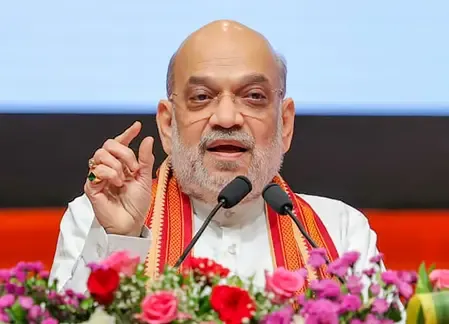
Chief Minister Vishnu Deo Sai emphasised that rapid, visible change is now evident on the ground across Bastar. Home Minister Amit Shah lauded the initiatives, particularly the expansion of healthcare into previously inaccessible zones. Shah's forthcoming visit on 18–19 May is expected to include direct engagement with local administration and a first-hand review of the schemes discussed in Thursday's meeting.
What Comes Next
Shah's two-day visit to Bastar will be closely watched as a signal of the Centre's continued focus on the region ahead of any potential security or development policy announcements. The convergence of welfare delivery with post-conflict infrastructure repurposing in Bastar is increasingly being cited as a replicable model for other Maoist-affected districts across central India.
Point of View
Not just a policy goal. The 21.86 lakh health check-up figure is striking, but the real test is whether those screenings translate into sustained treatment access in areas that still lack all-weather roads. Shah's personal visit on 18–19 May suggests the Centre wants visible credit for Bastar's shift — and that the region's narrative is being actively managed ahead of future electoral cycles.
NationPress
24 Sept 2026
Frequently Asked Questions
Why did Amit Shah meet Chhattisgarh CM Vishnu Deo Sai on 14 May?
The meeting in New Delhi focused on the Bastar development model and the implementation of welfare schemes in Maoist-affected areas. It also served as a preparatory briefing ahead of Shah's planned visit to Bastar on 18 and 19 May.
What is the 'Healthy Bastar' Campaign?
The 'Healthy Bastar' Campaign is a Chhattisgarh government initiative deploying medical teams into remote villages to conduct free health check-ups and identify serious ailments. More than 21.86 lakh people received check-ups under the campaign within a single month.
What is the 'Bastar Munne Campaign'?
The 'Bastar Munne Campaign' aims to ensure government welfare benefits reach the most marginalised communities in Bastar. As part of this initiative, former security camps are being repurposed as Public Convenience Centres offering access to 31 government schemes, including health, education, and banking services.
What is the significance of the new hospital in Jagdalpur?
The newly inaugurated super-specialty hospital in Jagdalpur is intended to reduce the local population's dependence on distant hospitals in Raipur and Bilaspur for critical medical care, improving healthcare access within the Bastar region itself.
When is Amit Shah visiting Bastar?
Amit Shah is reportedly scheduled to visit Bastar on 18 and 19 May to personally review the progress of development and security initiatives and engage with local administration.