CM Sai: 21 Lakh Health Screenings Done in Bastar
Synopsis
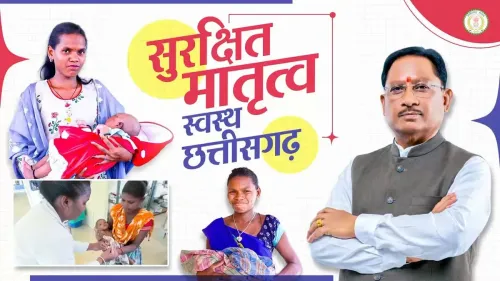
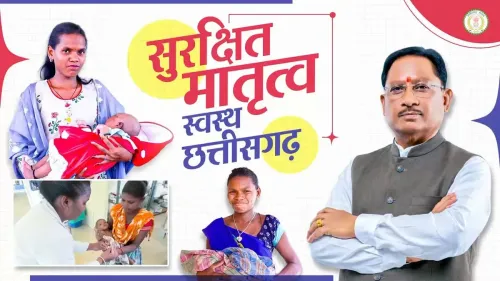
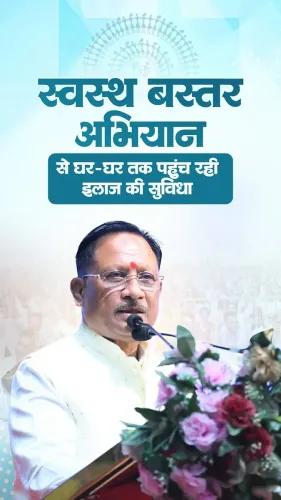
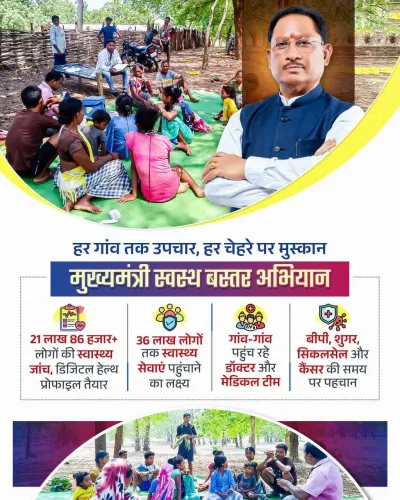
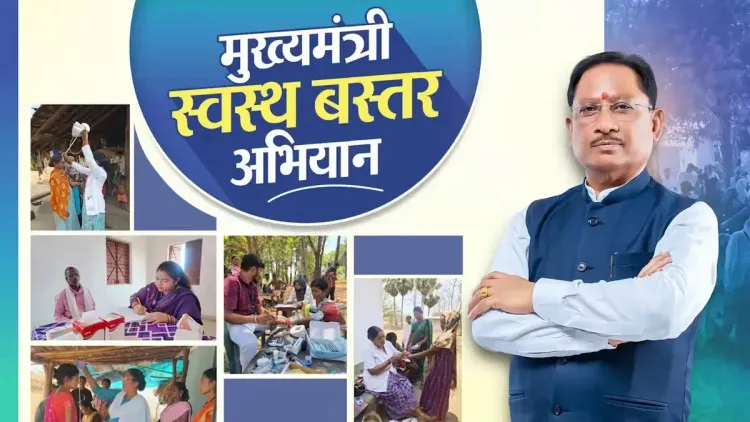
Chhattisgarh CM Vishnu Deo Sai says the Mukhya Mantri Swasth Bastar Abhiyan has screened over 21 lakh people in the insurgency-scarred Bastar division, marking a significant expansion of state health services into remote tribal areas.
Key Takeaways
The Mukhya Mantri Swasth Bastar Abhiyan has conducted health screenings for more than 21 lakh people in the Bastar division.
Bastar was long inaccessible to government services due to decades of Naxalite insurgency and difficult forest terrain.
The campaign aims to deliver health services directly to households rather than requiring residents to travel to facilities.
The initiative aligns with the central government's SAMADHAN framework, which pairs security operations with development delivery in LWE-affected zones.
Bastar division's total population is approximately 40 lakh , making the 21-lakh screening figure a substantial share of residents reached.
Integration with Ayushman Bharat and expansion of telemedicine are being watched as potential next steps.
Chhattisgarh Chief Minister Vishnu Deo Sai announced on Saturday, 23 May 2026 that the state government's Mukhya Mantri Swasth Bastar Abhiyan has completed health screenings for more than 21 lakh people in the Bastar region — a division long defined by Maoist insurgency and difficult terrain that historically blocked basic services from reaching residents.
Posting on X, CM Sai wrote: 'जो बस्तर कभी नक्सली हिंसा और भय की पहचान बन गया था' ['What was once Bastar, known for Naxalite violence and fear'], health services are now reaching people at their doorstep through the government's efforts. He described the campaign as 'a resolve for the safe, healthy and empowered future of every family in Bastar.'
Context
Bastar, a forested and mountainous division in southern Chhattisgarh, has been at the epicentre of left-wing extremist conflict for decades. The Naxalite insurgency severely restricted the state's ability to deliver healthcare, education and infrastructure to tribal communities living in remote villages. Security personnel and government workers faced life-threatening risks operating in these zones.
The situation has gradually shifted in recent years as intensified security operations have reclaimed territory previously held or dominated by Maoist groups. This opening has allowed welfare programmes to follow the security gains — with health outreach among the most visible.
Policy Backdrop
The Mukhya Mantri Swasth Bastar Abhiyan is the Vishnu Deo Sai government's flagship health outreach drive for the region, designed to bring screenings and medical services directly to households rather than requiring residents to travel to distant facilities. The programme targets a population spread across rugged terrain where even reaching a primary health centre can mean hours of travel on foot.
The initiative sits within a longer policy lineage. Chhattisgarh introduced health insurance coverage for below-poverty-line families through earlier state schemes, while the central government's NITI Aayog Aspirational Districts Programme, launched in 2018, specifically covered several Bastar-region districts to accelerate health, nutrition and basic services delivery. The broader national SAMADHAN framework for left-wing extremism-affected areas explicitly links security operations with development delivery.
Stakeholders and Impact
The primary beneficiaries are Bastar's tribal communities — among the most historically marginalised populations in central India. Generations of residents in districts such as Sukma, Bijapur, Dantewada and Narayanpur had limited or no access to preventive healthcare, meaning conditions that are easily treatable elsewhere went undetected and untreated.
A figure of 21 lakh screenings represents a substantial share of Bastar division's population, which numbers roughly 40 lakh across its districts. Health workers and mobile medical teams operating under the campaign have had to navigate both logistical challenges and the residual security environment to reach interior villages.
What's Next
Policy observers tracking Chhattisgarh's health outreach will watch whether the campaign expands into additional interior blocks, and whether mobile medical units or telemedicine pilots are integrated into the programme as a next phase. Integration with the central Ayushman Bharat scheme could extend coverage and financial protection for families identified through screenings who require follow-up treatment.
The broader pattern — using welfare delivery as visible state presence in formerly insurgency-dominated areas — is replicated across Jharkhand, Odisha and parts of Andhra Pradesh. How effectively Chhattisgarh converts screenings into sustained care will determine whether the campaign becomes a durable public health gain or remains a headline milestone.
Point of View
However, is whether screenings translate into treatment pathways for the tribal poor, or whether the campaign remains a mobilisation exercise. If follow-up care infrastructure does not keep pace, the headline figure could become a political liability rather than an asset.
NationPress
7 Oct 2026
Frequently Asked Questions
What is the Mukhya Mantri Swasth Bastar Abhiyan?
The Mukhya Mantri Swasth Bastar Abhiyan is a Chhattisgarh government health outreach campaign that brings medical screenings and services directly to households in the remote, tribal-majority Bastar division, which was long inaccessible due to Naxalite insurgency.
How many people have been screened under the Bastar health campaign?
According to Chief Minister Vishnu Deo Sai, more than 21 lakh people have been screened under the Mukhya Mantri Swasth Bastar Abhiyan as of May 2026.
Why was healthcare access so poor in Bastar?
Bastar's combination of dense forests, mountainous terrain and decades of Maoist insurgency made it extremely difficult for government health workers and services to reach remote villages, leaving tribal communities with little or no access to preventive or curative care.
Who is Vishnu Deo Sai?
Vishnu Deo Sai is a BJP leader who became Chief Minister of Chhattisgarh in December 2023 after the party won the state assembly elections. He is the first tribal Chief Minister of Chhattisgarh.
What is the SAMADHAN framework and how does it relate to Bastar?
SAMADHAN is the central government's policy framework for addressing left-wing extremism, combining intensified security operations with accelerated development and welfare delivery in affected districts — a strategy directly applicable to Bastar, where schemes like the health campaign serve as visible state presence.