CM Sai: 21.86 Lakh Screened Under Swasth Bastar Abhiyan
Synopsis
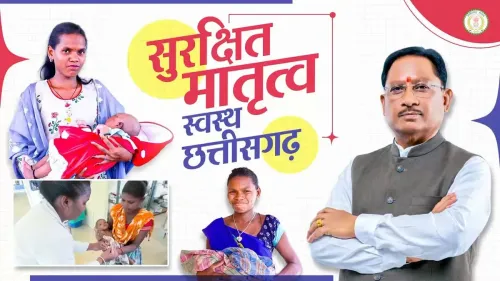
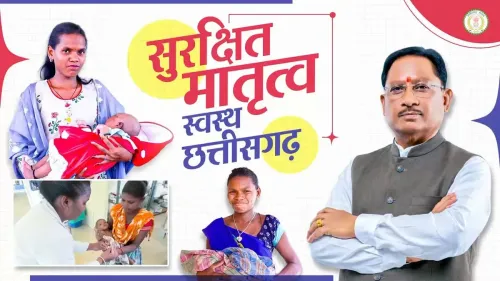
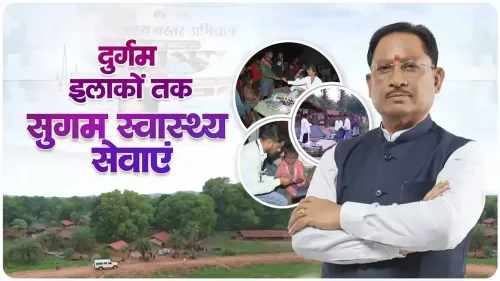
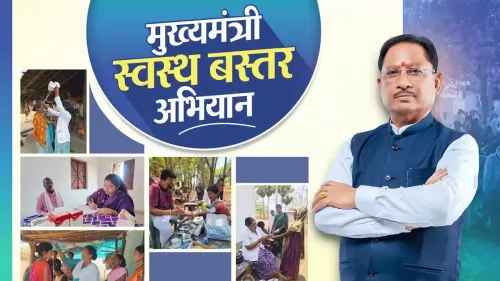
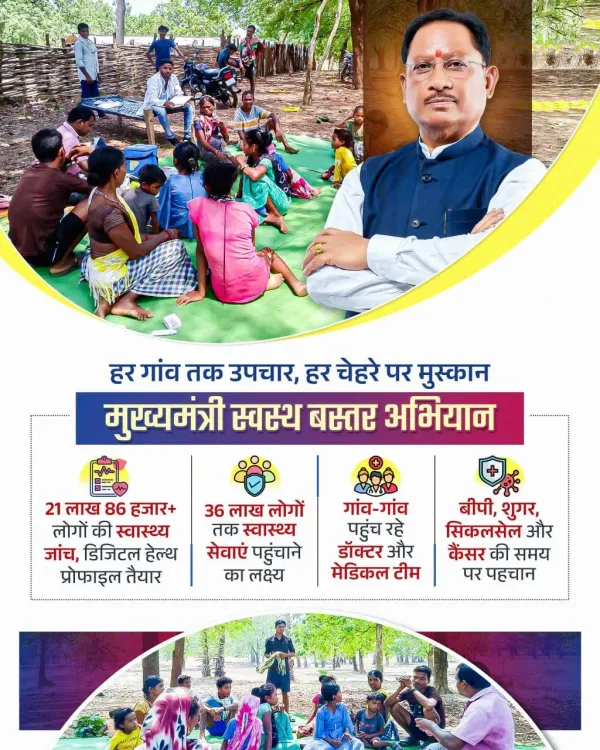
Chhattisgarh CM Vishnu Deo Sai announced that over 21.86 lakh residents of remote Bastar division have been screened under the Mukhyamantri Swasth Bastar Abhiyan, with mobile teams testing for BP, diabetes, sickle cell, and cancer against a 36 lakh target.
Key Takeaways
21 lakh 86 thousand people in Bastar division have received health screening under the Mukhyamantri Swasth Bastar Abhiyan as of 23 May 2026 .
The campaign's total target is 36 lakh residents across remote areas of Bastar division .
Mobile medical teams are screening for blood pressure, diabetes, sickle cell anaemia, and cancer at the village level.
Bastar is a seven-district tribal region in southern Chhattisgarh with historically limited health infrastructure.
The state campaign complements the Centre's National Sickle Cell Anaemia Elimination Mission , which targets tribal districts with a 2047 elimination goal.
Roughly 14 lakh more residents remain to be covered to meet the stated campaign target.
Chhattisgarh Chief Minister Vishnu Deo Sai announced on 23 May 2026 that more than 21 lakh 86 thousand residents of the remote Bastar division have been screened under the state's Mukhyamantri Swasth Bastar Abhiyan (Chief Minister Healthy Bastar Campaign), against a total target of 36 lakh people.
Context
Posting in Hindi, CM Sai described the campaign's resolve as: 'हर गांव तक उपचार, हर चेहरे पर मुस्कान' — 'treatment reaching every village, a smile on every face.' The announcement places the campaign's completion rate at roughly 61 per cent of its stated target, with mobile medical teams continuing to fan out across villages. Screening covers conditions including blood pressure, diabetes, sickle cell anaemia, and cancer.
Bastar division comprises seven districts in southern Chhattisgarh and has one of the highest Scheduled Tribe population concentrations in the country. The region has historically faced acute shortages of health infrastructure, making last-mile outreach a persistent policy challenge for successive state governments.
Policy Backdrop
The Mukhyamantri Swasth Bastar Abhiyan operates alongside the Centre's National Sickle Cell Anaemia Elimination Mission, launched in 2023 with a priority focus on tribal districts, including those in Chhattisgarh. Sickle cell anaemia shows significantly elevated prevalence among Adivasi communities, making early screening in areas such as Bastar a public-health imperative aligned with the national goal of elimination by 2047.
The campaign also complements the Ayushman Bharat Pradhan Mantri Jan Arogya Yojana, which extended secondary and tertiary care coverage to aspirational districts from 2018 onwards. The state initiative fills the primary-care and early-detection gap that insurance-based schemes alone cannot address in geographically dispersed tribal settlements.
Stakeholders and Impact
The direct beneficiaries are tribal and rural residents of Bastar who would otherwise need to travel significant distances to access diagnostic services. Early detection of conditions such as hypertension, diabetes, and cancer can dramatically reduce treatment costs and mortality, particularly in communities with limited economic resources.
Mobile medical teams conducting village-level screening also generate epidemiological data that can inform future state health budgets and infrastructure planning. Broader state governments across central India have adopted similar mobile-unit models in Schedule V areas, signalling a regional pattern of decentralised health delivery.
What's Next
With 14 lakh 14 thousand more residents still to be covered to meet the 36 lakh target, the pace of screening drives will be closely watched in the coming months. Quarterly progress reports on coverage rates and referral linkages to higher-care facilities will indicate whether the campaign can close the gap before any announced deadline. Any state budget allocation to scale the model beyond Bastar to other tribal divisions of Chhattisgarh would mark a significant expansion of the initiative's footprint.
Point of View
Seeking to reframe Bastar as a development success story ahead of future electoral cycles. Reaching 61 per cent of a 36 lakh screening target is a credible operational milestone, though the critical test will be whether positive diagnoses are followed through with sustained treatment and referral linkages rather than one-time screenings. The campaign's alignment with the Centre's sickle cell elimination mission also allows the state to present itself as a model implementer of national tribal health policy, strengthening the BJP's narrative of cooperative federalism in action. Independent verification of coverage figures and health outcomes will be essential to assess the programme's true impact beyond the headline numbers.
NationPress
15 Oct 2026
Frequently Asked Questions
What is the Mukhyamantri Swasth Bastar Abhiyan?
The Mukhyamantri Swasth Bastar Abhiyan is a Chhattisgarh state health outreach campaign that sends mobile medical teams to remote villages in Bastar division to screen residents for conditions including blood pressure, diabetes, sickle cell anaemia, and cancer.
How many people have been screened under the Swasth Bastar Abhiyan?
As of 23 May 2026, more than 21 lakh 86 thousand people have been screened, out of a total campaign target of 36 lakh residents across Bastar division.
Why is Bastar a focus for health campaigns in Chhattisgarh?
Bastar is a seven-district tribal region in southern Chhattisgarh with a large Scheduled Tribe population and historically limited access to health infrastructure, making last-mile outreach programmes especially critical there.
How does this campaign relate to the national sickle cell mission?
The state campaign complements the Centre's National Sickle Cell Anaemia Elimination Mission, launched in 2023, which prioritises tribal districts in states like Chhattisgarh and aims to eliminate the disease by 2047.
What diseases are being screened for under the Bastar health campaign?
Mobile medical teams are testing villagers for blood pressure, diabetes (sugar), sickle cell anaemia, and cancer as part of the Mukhyamantri Swasth Bastar Abhiyan.