ISRO talent exodus: DoS restricts resignations of mission-critical scientists
Synopsis
India's space agency is haemorrhaging talent at a critical moment — over 100 scientists have quit ISRO in the past year, including key figures from Chandrayaan-3 and SpaDeX. The Department of Space has now frozen routine resignation approvals for mission-critical staff, a sharp policy reversal that signals just how serious the brain drain has become.
Key Takeaways
The Department of Space issued an internal memorandum on 14 July restricting resignations of Group 'A' scientists on mission-critical projects.
Between 100 and 120 ISRO scientists and technical experts have reportedly left over the past year.
U R Rao Satellite Centre (URSC) in Bengaluru saw nearly 80 resignations ; VSSC in Thiruvananthapuram recorded at least 20 .
Notable departures include the Project Directors of LVM3 and SpaDeX , and Chandrayaan-3 simulation manager Aditya Rallapalli .
ISRO's workforce is already running more than 1,600 vacancies below sanctioned strength, per parliamentary data.
Narayanan said flagship missions including Gaganyaan remain on schedule despite the exits.
The Department of Space (DoS) has moved to curb a growing talent drain at the Indian Space Research Organisation (ISRO), issuing an internal directive on 14 July that restricts resignations and voluntary retirement requests from scientists and engineers working on mission-critical projects. The intervention follows reports that between 100 and 120 scientific and technical personnel have left the organisation over the past year, raising alarm about institutional knowledge loss at a time of peak mission load.
What the New Directive Says
According to reports, the DoS memorandum dated 14 July mandates that resignation and voluntary retirement applications from Group 'A' scientific and technical staff engaged in strategically important programmes will no longer be processed as routine administrative matters. Instead, centre directors have been instructed to defer approvals until the completion of the projects concerned.
All pending and future exit applications must now be forwarded to the Department of Space in New Delhi, accompanied by recommendations from the respective centre directors, for final clearance. The directive represents a significant rollback of guidelines introduced in November 2020, which had delegated resignation approval authority to ISRO centre directors and unit heads for personnel up to the rank of Scientist/Engineer-SG.
Scale of the Attrition
The attrition has reportedly been concentrated at two of ISRO's most critical facilities. Bengaluru's U R Rao Satellite Centre (URSC), which anchors India's satellite development programme, has seen close to 80 resignations, while the Vikram Sarabhai Space Centre (VSSC) in Thiruvananthapuram has recorded at least 20 departures.
Among the notable exits are reportedly Victor Joseph, Project Director of the LVM3 launch vehicle programme; the Project Director of SpaDeX, India's inaugural space docking mission; and Aditya Rallapalli, simulation project manager for Chandrayaan-3, who oversaw a team that validated the lunar landing sequence through more than 100,000 simulations.
What ISRO's Chairman Said
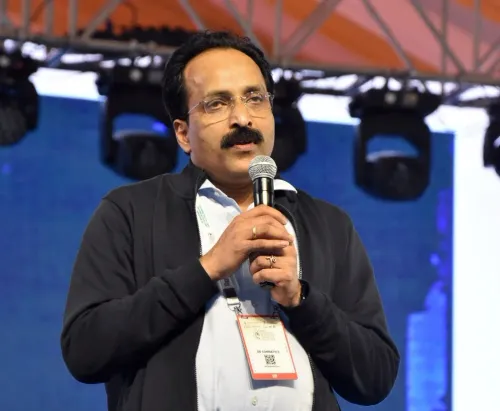
ISRO Chairman V. Narayanan acknowledged the resignations but characterised employee turnover as a normal feature of large organisations. He emphasised that the new memorandum is aimed at retaining experienced personnel and ensuring that critical national missions are not disrupted by sudden exits. ISRO has maintained that responsibilities are being reassigned systematically and that flagship programmes, including Gaganyaan, remain on schedule.
Why Scientists Are Leaving
Industry observers attribute the trend primarily to the rapid expansion of India's private space sector, which is offering significantly higher salaries, greater flexibility, and more diverse career trajectories for experienced scientists and engineers. This is not a new challenge for ISRO — official records indicate that nearly half of all fresh recruits left the organisation between 2004 and 2007, and close to 700 employees resigned between 2012 and 2024.
Parliamentary data presented earlier this year further revealed that ISRO's scientific and technical workforce is operating below sanctioned strength, with more than 1,600 vacancies yet to be filled. The combination of active attrition and unfilled positions raises structural questions about capacity at a moment when ISRO is simultaneously pursuing Gaganyaan, future lunar exploration missions, and advanced satellite programmes.
What Happens Next
The centralised approval mechanism is expected to slow down exits in the near term, but observers caution that administrative restrictions alone may not address the underlying pull of private-sector compensation. Whether the DoS pairs this directive with retention incentives — such as revised pay structures or project-linked bonuses — will likely determine its long-term effectiveness. The space agency's ability to sustain mission momentum through its current vacancy crisis will be closely watched in the months ahead.
Point of View
Not a strategy. The DoS directive addresses the symptom — departures — without confronting the cause: a government pay structure that cannot compete with a private space sector now flush with venture capital and commercial contracts. ISRO built its reputation on institutional depth, and that depth is precisely what the private sector is now systematically hiring away. With over 1,600 vacancies unfilled and mission timelines like Gaganyaan already under pressure, the agency faces a compounding risk. Administrative controls may slow the bleed in the short run, but if retention incentives do not follow, the directive risks becoming a reputational liability — turning ISRO from a dream employer into one scientists feel they cannot leave.
NationPress
17 Jul 2026
Frequently Asked Questions
Why has the Department of Space restricted ISRO scientist resignations?
The Department of Space issued a directive on 14 July to prevent sudden exits from disrupting mission-critical programmes after reports that between 100 and 120 scientists and technical experts left ISRO over the past year. The order requires all resignation and voluntary retirement requests from Group 'A' staff on key missions to be cleared by DoS in New Delhi rather than processed at the centre level.
Which ISRO missions are at risk from the talent exodus?
The departures have raised concerns about programmes including Gaganyaan, India's human spaceflight mission, the Space Docking Experiment (SpaDeX), and future lunar exploration projects. Project directors from LVM3 and SpaDeX, as well as the Chandrayaan-3 simulation manager, are among those who have reportedly resigned.
How many ISRO scientists have resigned recently?
Institutional sources quoted in media reports estimate that between 100 and 120 scientists and technical experts have left ISRO over the past year. U R Rao Satellite Centre in Bengaluru alone saw close to 80 resignations, while Vikram Sarabhai Space Centre in Thiruvananthapuram recorded at least 20.
Why are ISRO scientists leaving for the private sector?
Industry observers attribute the trend to India's rapidly expanding private space sector, which offers significantly higher salaries, greater flexibility, and broader career opportunities. Attrition at ISRO is not new — nearly 700 employees resigned between 2012 and 2024, and official records show the workforce has more than 1,600 vacancies below sanctioned strength.
What did ISRO Chairman V. Narayanan say about the resignations?
ISRO Chairman V. Narayanan acknowledged the resignations but described employee turnover as a normal feature of large organisations. He said the new memorandum is intended to retain experienced personnel and ensure that critical national missions are not disrupted, adding that flagship programmes including Gaganyaan remain on schedule.