CM Chandrababu Orders 10% Diet Charge Hike for Welfare Students
Synopsis
Chief Minister Nara Chandrababu Naidu has ordered a 10% hike in diet charges for students in government hostels and Gurukul schools, effective from the second quarter of 2026, and approved Rs 100 crore for residential school maintenance, alongside broader livelihood directives for SC, ST, BC, and minority communities.
Key Takeaways
CM Nara Chandrababu Naidu directed a 10% increase in diet charges for students in government residential hostels and Gurukul schools.
The hike is to be implemented from the second quarter of the current financial year .
Rs 100 crore has been allocated for maintenance grants for all residential schools and hostels in Andhra Pradesh.
The CM called for government schools to be upgraded to corporate school standards and for large-scale Gurukul construction.
Livelihood support through MEPMA, DWACRA, and P4 schemes is to be expanded for SC, ST, BC, and minority communities.
Welfare corporations for groups including toddy tappers, quarry workers, fisherfolk, and handloom weavers are to receive broader financial assistance.
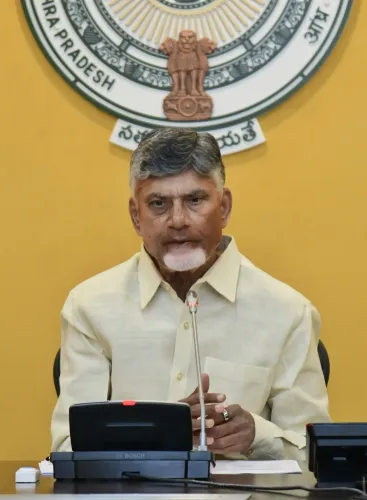
The Chief Minister's Office of Andhra Pradesh announced on Wednesday, 8 July 2026 that Chief Minister Nara Chandrababu Naidu has directed a 10 per cent increase in diet charges for students studying in government residential hostels and Gurukul schools, with the hike to take effect from the second quarter of the current financial year.
Context
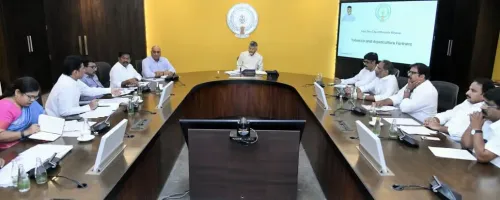
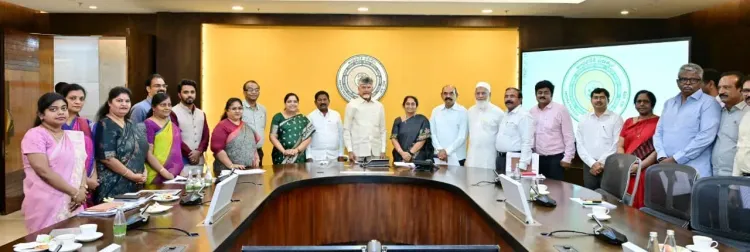
The directive came during a review meeting on welfare departments held at the State Secretariat in Amaravati. Naidu ordered that students from backward, weaker, and marginalised sections enrolled in welfare department institutions receive better dietary support, stating that the increase must be implemented without delay from the ongoing second quarter.
Alongside the diet charge revision, the Chief Minister approved an allocation of Rs 100 crore for maintenance grants covering all residential schools and hostels across the state. He stressed that government educational institutions must be developed to a standard 'on par with corporate schools,' and called for large-scale construction of new Gurukul schools across Andhra Pradesh.
Policy Backdrop
Gurukul schools are residential institutions run by the state's welfare corporations to provide free education to students from Scheduled Caste (SC), Scheduled Tribe (ST), Backward Class (BC), and minority communities. The diet charge — a per-student daily food allowance paid by the government — has historically been a recurring point of revision as food inflation erodes its real value.
During his earlier tenure from 2014 to 2019, Naidu had similarly expanded residential school infrastructure and increased maintenance allocations for welfare hostels. The current directive continues that pattern, combining direct subsidy enhancements with calls for institutional quality upgrades. Programmes such as MEPMA (Mission for Elimination of Poverty in Municipal Areas) and DWACRA (Development of Women and Children in Rural Areas) were also cited as key vehicles for livelihood support alongside these education measures.
Stakeholders and Impact
The 10 per cent diet charge hike will directly benefit students from SC, ST, BC, and minority communities residing in government hostels and Gurukul schools statewide. The Rs 100 crore maintenance grant is intended to address infrastructure and upkeep shortfalls in residential institutions that have long been flagged by welfare advocacy groups.
CM Naidu also directed departments to broaden livelihood support across several marginalised occupational groups — including toddy tappers at liquor outlets, Vadderas (quarry workers), Nai Brahmins (traditional barbers), fisherfolk, and handloom weavers. He called for expanded financial assistance through sector-specific welfare corporations and instructed that the Brahmin Corporation's operational model be studied and replicated by other welfare corporations. Support through agriculture, horticulture, dairying, and schemes such as Jagananna Rythu Bharosa-style welfare programmes was also directed toward SC, ST, BC, and minority farmers, with specific encouragement for cultivation of horticulture, rubber, coffee, and turmeric crops.
The review was attended by ministers Dolabal Veeranjaneyaswami, S. Savitha, Gummadi Sandhyarani, and NMD Farooq, along with Minority Welfare Adviser Mohammed Sharif and senior officials from multiple welfare departments.
What's Next
The state government is expected to issue formal orders implementing the 10 per cent diet charge increase and disburse the Rs 100 crore maintenance grant in the coming weeks. The rollout of large-scale Gurukul school construction and the replication of the Brahmin Corporation model across other welfare corporations will be closely watched as indicators of follow-through on the CM's directives.
Point of View
Signalling that the TDP-led government is keen to reclaim welfare credibility after years in opposition. By explicitly benchmarking government schools against corporate institutions and ordering replication of the Brahmin Corporation model, Naidu is attempting to shift the welfare narrative from passive subsidy delivery to aspirational quality. The breadth of occupational groups cited — from toddy tappers to handloom weavers — suggests a deliberate effort to consolidate support across fragmented BC and minority vote banks ahead of the political cycle. Whether the Rs 100 crore grant translates into measurable improvements in hostel conditions will determine how much electoral currency this review meeting ultimately yields.
NationPress
8 Jul 2026
Frequently Asked Questions
What is the diet charge hike announced for Andhra Pradesh welfare students?
CM Chandrababu Naidu has ordered a 10% increase in diet charges for students studying in government residential hostels and Gurukul schools in Andhra Pradesh, effective from the second quarter of the current financial year.
How much has Andhra Pradesh allocated for residential school maintenance?
The Andhra Pradesh government has approved Rs 100 crore as maintenance grants for all residential schools and hostels in the state.
Who benefits from the diet charge increase in AP?
Students from Scheduled Caste, Scheduled Tribe, Backward Class, and minority communities enrolled in government welfare hostels and Gurukul residential schools will benefit from the 10% diet charge hike.
What are Gurukul schools in Andhra Pradesh?
Gurukul schools are government-run residential educational institutions in Andhra Pradesh designed to provide free, quality education to students from SC, ST, BC, and minority communities.
What livelihood schemes did CM Naidu direct for SC, ST, BC, and minority communities?
Naidu directed expanded support through MEPMA, DWACRA, and P4 schemes, along with sector-specific aid in agriculture, horticulture, dairying, rubber, coffee, and turmeric cultivation, and broader financial assistance for occupational groups such as toddy tappers, quarry workers, fisherfolk, and handloom weavers.