Chandrababu Naidu offers ₹40,000 for fourth child to reverse Andhra's fertility crisis

Synopsis
Andhra Pradesh's TFR has crashed to 1.5 — half of what it was in 1993 and far below the 2.1 replacement level. Chandrababu Naidu, once a population-control champion, is now offering cash to families for their third and fourth children, backed by India's first state-level Population Management Policy. Officials say the state has until 2040 to act before its dependency ratio becomes irreversible.
Key Takeaways
Andhra Pradesh CM N.
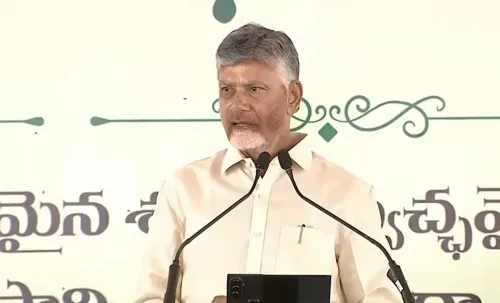
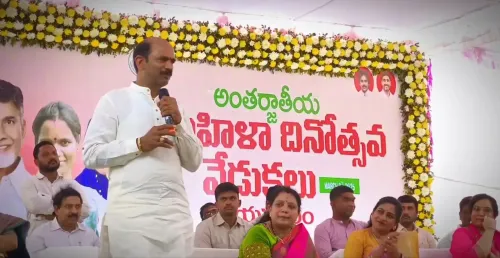
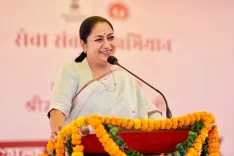
Chandrababu Naidu announced ₹30,000 for the third child and ₹40,000 for the fourth child at a public meeting in Srikakulam district .
The state's TFR has fallen to 1.5 from 3.0 in 1993 , well below the replacement level of 2.1 .
Andhra Pradesh's median age is 32.5 years , significantly higher than India's national average of 28.4 years .
Officials warn the state has only until 2040 before the elderly dependency ratio becomes unmanageable.
The Population Management Policy , unveiled in March , includes ₹1,000/month nutrition support, free education till 18, and plans for 12 months of maternity leave .
The government plans to establish Fertility Colleges and provide state-supported IVF treatment under a PPP model.
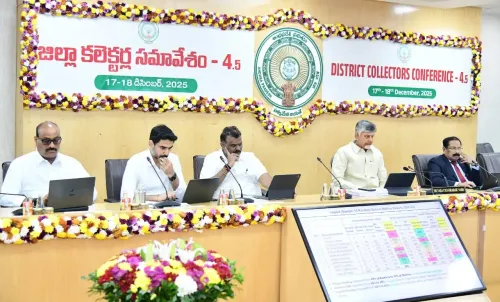
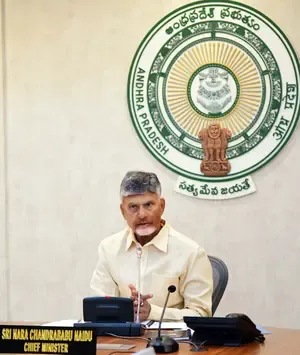
Andhra Pradesh Chief Minister N. Chandrababu Naidu has announced financial incentives of ₹30,000 for the third child and ₹40,000 for the fourth child, a direct policy response to the state's sharply declining Total Fertility Rate (TFR). The announcement, made at a public meeting in Srikakulam district, marks the latest escalation in Andhra Pradesh's unprecedented push to reverse demographic decline before what officials describe as a closing window of opportunity.
The Demographic Crisis Behind the Policy
Andhra Pradesh's TFR has fallen to 1.5 — down from 3.0 in 1993 — placing it well below the replacement level of 2.1. State Health Department statistics show that Andhra Pradesh is ageing faster than the national average, with a median age of 32.5 years against India's 28.4 years. According to officials, the state has only until 2040 before the dependency ratio tilts heavily toward the elderly — a window of roughly 15 years to course-correct.
Citing a 2023 report, Naidu noted that 6.70 lakh births are currently recorded per year in the state. If the trend continues, he warned, the share of aged people could reach 23 per cent by 2047 — a trajectory he compared to Japan, South Korea, and Italy.
What the Incentive Package Covers
The financial grants are part of a broader Population Management Policy unveiled in March, which the state government claims is the first of its kind in India. Beyond the one-time cash incentives, the policy includes ₹1,000 per month in nutrition assistance for the third child for five years and free education until the age of 18. The government is also planning 12 months of maternity leave and 2 months of paternity leave to encourage more childbirths.
According to officials, the 'second child onwards' incentive model draws on frameworks implemented in France and Hungary to avert demographic collapse. The policy document was made publicly available online, and elected representatives across every constituency were directed to hold community discussions on the issue for one month.
A Sharp Reversal From Naidu's Earlier Stance
The policy represents a striking ideological shift for Naidu. During his earlier tenure as Chief Minister of combined Andhra Pradesh between 1995 and 2004, he was a vocal advocate of population control. He now argues that population is an asset rather than a burden. One of his first moves after returning to office in 2024 was scrapping the two-child norm that had barred individuals with more than two children from contesting local body elections.
Institutional Measures and the Lifecycle Framework
The government is building institutional infrastructure to support the policy. The Health Department has presented plans for Fertility Colleges as Centres of Excellence for Reproductive Medicine — a first-of-its-kind public sector initiative that will train professionals and provide state-supported IVF treatment under a public-private partnership model. A Maternity Centre of Excellence is also planned.
The policy introduces a five-stage lifecycle support system — Matrutva (motherhood), Shakti (strength), Kshema (well-being), Naipunyam (skills), and Sanjeevani (longevity) — covering citizens from pregnancy to old age. The government has also set a target to reduce the teenage pregnancy rate from the current 8.8 per cent to below 3 per cent, and plans to curb unnecessary caesarean sections.
What Officials and the Government Say
State Health, Medical and Family Welfare Secretary Sourabh Gaur underscored the urgency at a recent meeting: 'We are now facing the same problem that developed nations are experiencing — a growing non-working-aged population. Our focus must shift to enabling and incentivising families to have children.'
Naidu has indicated the policy will be reviewed after a year, with adjustments made based on outcomes. Population Management and Human Resource Development forms the third pillar of 'Padi Sutralu' (10-point agenda) under the 'Swarna Andhra Vision 2047' framework — signalling that demographic sustainability is now a core plank of the state's long-term governance strategy.
With the 2040 demographic deadline approaching and TFR at a historic low, how quickly the incentives translate into behavioural change will determine whether Andhra Pradesh can pull back from the trajectory it currently shares with some of the world's most rapidly ageing economies.
Point of View
But the harder question is whether one-time grants can shift deeply entrenched social behaviour around family size, particularly in a state where urbanisation and women's education have structurally suppressed fertility. France and Hungary, the models cited by Andhra officials, have spent decades and vastly larger sums with only modest TFR recoveries. The real test of this policy will be the review Naidu himself has promised after one year — and whether the government publishes that data transparently enough for independent scrutiny.
NationPress
24 Sept 2026
Frequently Asked Questions
What financial incentives has Chandrababu Naidu announced for the third and fourth child in Andhra Pradesh?
Chief Minister N. Chandrababu Naidu announced ₹30,000 for the third child and ₹40,000 for the fourth child at a public meeting in Srikakulam district. The incentives are part of Andhra Pradesh's broader Population Management Policy aimed at reversing the state's declining Total Fertility Rate.
Why is Andhra Pradesh's declining fertility rate a concern?
Andhra Pradesh's TFR has dropped to 1.5 from 3.0 in 1993, far below the replacement level of 2.1. The state's median age of 32.5 years is already higher than the national average of 28.4 years, and officials warn that by 2040 the dependency ratio will skew heavily toward the elderly, threatening economic growth and the workforce.
What is Andhra Pradesh's Population Management Policy?
Unveiled in March, it is claimed to be the first policy of its kind in India. It includes cash incentives for third and fourth children, ₹1,000 per month in nutrition support for five years, free education until age 18, planned maternity and paternity leave extensions, state-supported IVF treatment, and the establishment of Fertility Colleges as Centres of Excellence.
How is this a change from Chandrababu Naidu's earlier position on population?
During his earlier tenure as Chief Minister of combined Andhra Pradesh from 1995 to 2004, Naidu was a strong advocate of population control. Since returning to office in 2024, he has reversed course, scrapping the two-child norm for local body election candidates and now actively incentivising larger families, arguing that population is an asset rather than a burden.
What is Andhra Pradesh's demographic deadline and what happens if the trend continues?
According to state Health Department officials, Andhra Pradesh has a demographic window only until 2040 before the elderly dependency ratio becomes unmanageable. If current birth rates persist, the share of aged people could reach 23 per cent by 2047, and the shrinking workforce could slow economic growth — a trajectory the government compares to Japan, South Korea, and Italy.