Andhra Pradesh CM Naidu: Children now a source of income under Thalliki Vandanam
Synopsis
Andhra Pradesh CM Chandrababu Naidu reframed the state's welfare narrative at a Mega Parent-Teacher Meeting, declaring children a 'source of income' under the Thalliki Vandanam scheme — ₹15,000 per child, no cap, ₹10,120 crore a year. With 1.10 lakh students reportedly returning to government schools and a ₹10 lakh crore debt legacy from the previous government looming, the speech was equal parts welfare pitch and political counter-offensive.
Key Takeaways
Andhra Pradesh CM N.
Chandrababu Naidu addressed a Mega Parent-Teacher Meeting in Rampachodavaram, Polavaram district on 25 July 2025 .
The 'Thalliki Vandanam' scheme deposits ₹15,000 per school-going child into the mother's bank account, with no limit on the number of children.
The state disburses ₹10,120 crore annually under the scheme, benefiting 67 lakh children .
Naidu claimed 1.10 lakh students have shifted from private to government schools under the current administration.
He alleged the previous YSRCP government left a debt of ₹10 lakh crore at 14% interest , with government assets mortgaged.
CM Naidu launched the 'Drugs Vaddu Bro' handbook and a school donors web portal at the event.
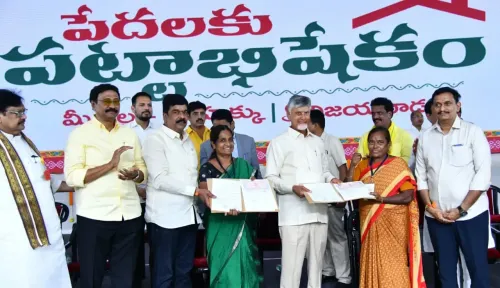
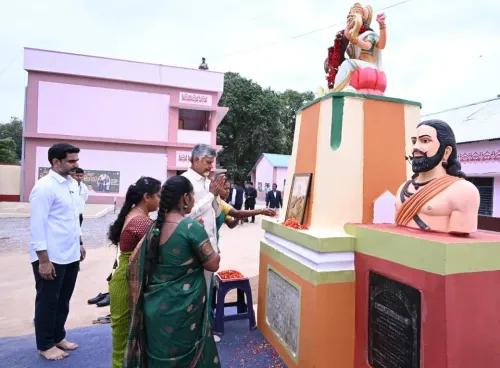
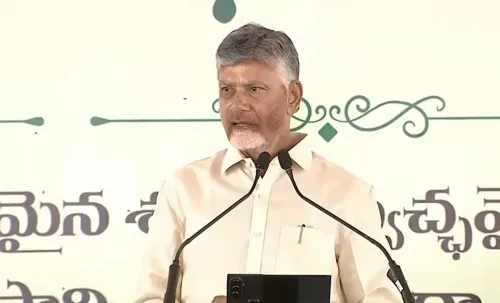
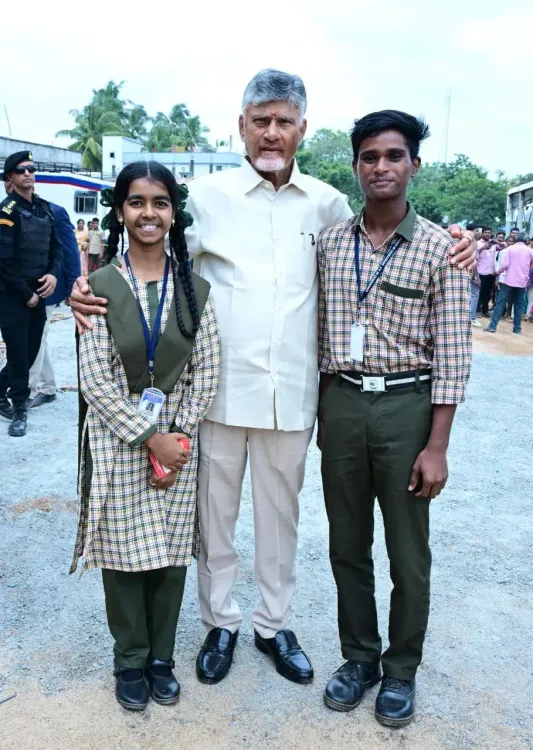
Andhra Pradesh Chief Minister N. Chandrababu Naidu on Friday, 25 July 2025, declared that children — once viewed as a financial burden — have become a source of income for families, citing the state government's 'Thalliki Vandanam' scheme that deposits ₹15,000 per school-going child directly into mothers' bank accounts. He made the remarks at a Mega Parent-Teacher Meeting held at a government high school in Rampachodavaram, Polavaram district.
What the Thalliki Vandanam Scheme Offers
Under the 'Thalliki Vandanam' scheme, the Andhra Pradesh government deposits ₹15,000 annually into the bank account of every mother for each school-going child, with no cap on the number of children. Naidu noted that mothers with more children are consequently receiving larger transfers. In aggregate, the government is disbursing ₹10,120 crore every year, covering 67 lakh children across the state.
Naidu acknowledged that the government is operating under financial constraints but asserted it remains committed to ensuring the scheme's benefits reach every eligible family without exception.
Shift from Private to Government Schools
The Chief Minister claimed that the coalition government has driven measurable improvements in the state's public education system. He cited a reversal of the long-running trend of families migrating to private schooling, stating that 1.10 lakh students have moved from private schools back to government institutions — a figure he described as evidence of renewed public confidence in state-run education.
Naidu also praised the performance of his son and state Education Minister Nara Lokesh, saying the visible transformation in the education sector had made him glad that Lokesh had taken on the role. He launched the 'Drugs Vaddu Bro' (Say No to Drugs) handbook prepared by the School Education Department and unveiled a web portal for school donors at the event.
Jobs, Tribal Students, and Presidential Inspiration
Addressing students directly, Naidu urged them to pursue education with passion rather than treating it as an obligation. 'Students should study with passion rather than viewing it as a burden. We are fostering development that will create jobs in major industries for those who dedicate themselves to their studies for five years,' he said.
He described children in tribal areas as 'gems in the rough,' arguing that access to opportunity could unlock extraordinary potential. He invoked President Droupadi Murmu as a symbol of national pride and an inspiration, particularly for students from tribal communities. Naidu also reiterated that he, Prime Minister Narendra Modi, and Deputy Chief Minister Pawan Kalyan were collectively working to fulfil their pledge of developing Andhra Pradesh.
Financial Legacy of Previous Government and Mega DSC Row
Naidu trained his sights on the previous YSR Congress Party (YSRCP) government, alleging it had saddled the state with a debt of ₹10 lakh crore, borrowing at 14% interest and mortgaging government assets. 'We are redeeming government assets that had been mortgaged and taking measures to reduce the interest burden,' he said, conceding that restoring the state's fiscal health would take time.
Responding to YSRCP allegations of irregularities in teacher recruitment through the Mega DSC (District Selection Committee) process, Naidu said attempts were being made to tarnish the image of the recruitment drive and that such actions hurt the sentiments of newly appointed teachers.
Call for Shared Parental Responsibility
Naidu used the parent-teacher forum to call on fathers to share equally in the responsibility of their children's upbringing and education, urging them to attend parent-teacher meetings alongside mothers. He and Minister Lokesh interacted with children, parents, and teachers at the event and had lunch with students.
As Andhra Pradesh pushes to attract major industries and rebuild its fiscal position, the government's twin bet on welfare transfers and education reform will face scrutiny on whether outcomes — in learning levels and employment — match the scale of the investment.
Point of View
But with ₹10,120 crore committed annually against a claimed ₹10 lakh crore debt inheritance, the sustainability question is real and unaddressed. The 1.10 lakh private-to-government school migration figure, if verified independently, would be a genuine policy achievement in a country where the reverse trend has persisted for decades — but no third-party audit was cited. Praising his own son's ministerial performance from a public platform is also a detail mainstream coverage tends to gloss over, but it speaks to the dynastic texture of Andhra politics that voters will ultimately weigh.
NationPress
23 Oct 2026
Frequently Asked Questions
What is the Thalliki Vandanam scheme in Andhra Pradesh?
Thalliki Vandanam is an Andhra Pradesh government scheme that deposits ₹15,000 per school-going child directly into the mother's bank account each year, with no restriction on the number of children. The state spends ₹10,120 crore annually under the scheme, covering 67 lakh children.
Why did CM Chandrababu Naidu say children have become a source of income?
Naidu made the remark to highlight the financial benefit the Thalliki Vandanam scheme provides to mothers — arguing that families with more school-going children receive proportionally larger government transfers, effectively making children a source of household income rather than an expense.
How many students have shifted from private to government schools in Andhra Pradesh?
Chief Minister Naidu claimed that 1.10 lakh students have moved from private schools to government schools under the current administration, which he described as a reversal of the long-standing trend of families preferring private education.
What did Naidu say about the financial legacy of the previous YSRCP government?
Naidu alleged that the YSR Congress Party government left Andhra Pradesh with a debt of ₹10 lakh crore, borrowed at 14% interest, with government assets mortgaged. He said the current administration is working to redeem those assets and reduce the interest burden, while acknowledging the fiscal recovery will take time.
What is the 'Drugs Vaddu Bro' initiative launched by CM Naidu?
'Drugs Vaddu Bro' (meaning 'Say No to Drugs, Bro') is a handbook prepared by the Andhra Pradesh School Education Department and launched by CM Naidu at the Mega Parent-Teacher Meeting in Rampachodavaram on 25 July 2025, aimed at discouraging drug use among school students.