Andhra Pradesh Introduces Financial Incentives for Third Child to Enhance Population Growth
Synopsis
The Andhra Pradesh government is offering a financial incentive of Rs 25,000 to encourage couples to have a third child. This initiative aims to address the state's declining birth rate and ensure a balanced demographic structure.
Key Takeaways
Financial Incentive: Rs 25,000 for couples having a third child.
Nutrition Assistance: Rs 1,000 per month for five years for the third child.
Free Education: Covering education costs until the child turns 18.
Maternal Leave: 12 months maternity and 2 months paternity leave proposed.
Population Management Policy: Aimed to restore demographic balance and improve TFR.
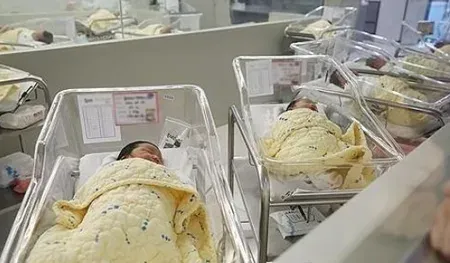
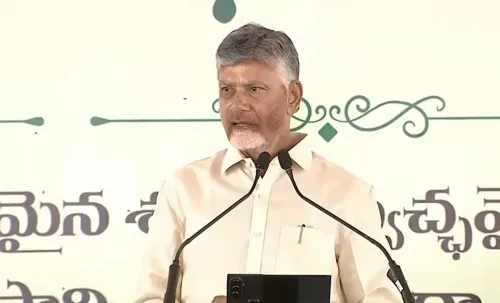
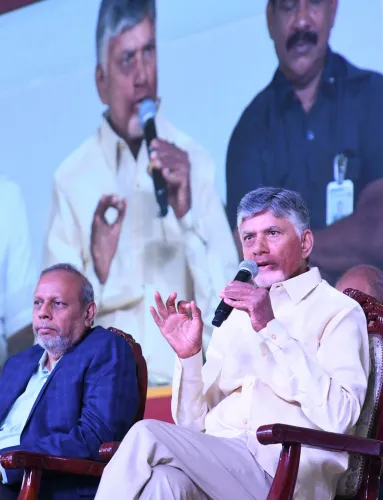
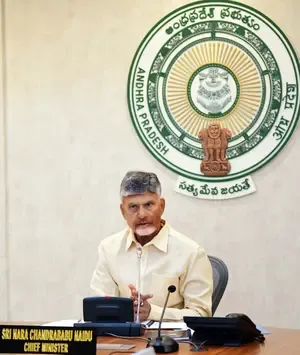
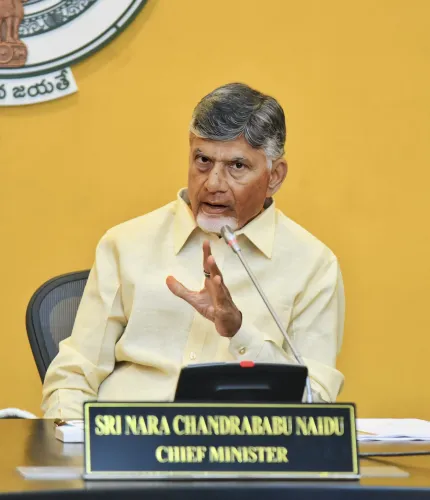
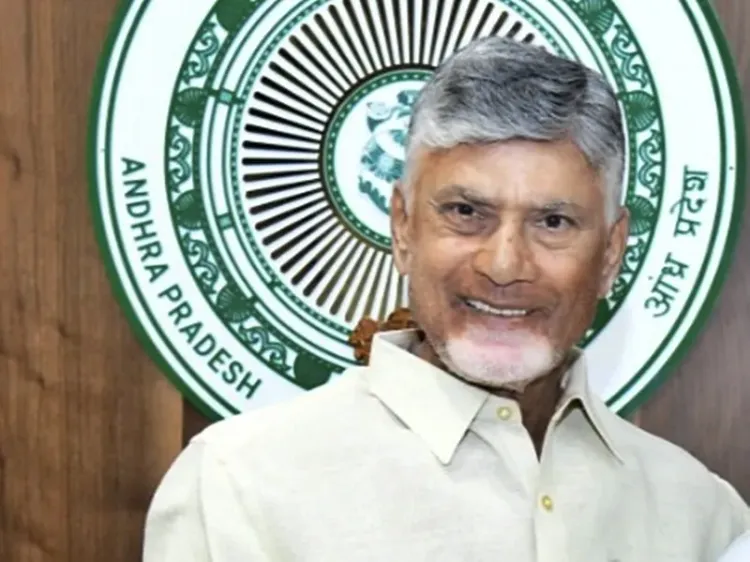
Amaravati, March 5 (NationPress) The Andhra Pradesh government has introduced a financial incentive of Rs 25,000 for couples who have a third child, aiming to restore demographic balance. Chief Minister N. Chandrababu Naidu revealed this initiative during the presentation of the state’s draft population management policy in the Assembly, which outlines strategies to combat the declining birth rate.
In addition to the initial incentive, the government plans to offer Rs 1,000 monthly in nutrition support for the third child over a period of five years, along with free education until the age of 18.
To promote childbirth, the government intends to extend 12 months of maternal leave and two months of paternal leave.
Expressing concern about the state’s current Total Fertility Rate (TFR) of 1.5, the Chief Minister emphasized the need to raise it to an ideal 2.1 to sustain demographic stability.
The proposed 'Population Management' policy, touted as a pioneering effort in the country, aims to stimulate population growth through various financial incentives.
The CM announced that the detailed policy document will be accessible online, encouraging public representatives to engage in discussions with constituents over the next month.
The finalized policy is set to be implemented on April 1 and will be reviewed for modifications after a year based on its outcomes.
Concerned about the drop in TFR in Andhra Pradesh, which has fallen from 3.0 in 1993 to 1.5 today, the Chief Minister noted that this trend threatens economic growth due to a decrease in the number of young workers. He warned that the state could face an aging dilemma similar to that of Japan, South Korea, and Italy.
According to a 2023 report, there were 6.70 lakh births annually. If the trend persists, by 2047, the elderly population could rise to 23%.
He cautioned that further declines in TFR would negatively impact the workforce and slow economic advancement, explaining that this draft policy is crucial for preemptive intervention.
The CM stated that population growth aligned with modern times should be viewed as a blessing, not a burden, and highlighted the shift from a long-standing focus on family planning to a new emphasis on 'population care'.
He referenced a law that prohibited individuals with more than two children from contesting local elections, noting that the current coalition has abolished the two-child norm.
The population management policy will incorporate a five-stage lifecycle framework, which includes Matrutva (motherhood), Shakti (strength), Kshema (well-being), Naipunyam (skills), and Sanjeevani (longevity).
The Chief Minister remarked that with women’s workforce participation at 31%, increasing it to 59% could boost the state’s GSDP by 15%.
Support will be available at every life stage, from pregnancy to old age. The government will also assist those facing infertility issues by establishing a Maternity Center of Excellence and offering IVF services in government hospitals through public-private partnerships.
Measures will be taken to reduce unnecessary cesarean sections, and there is a target to decrease teenage pregnancies, currently at 8.8%, to below 3%.
With a plan to establish child care centers and pink toilets in areas with at least 50 children and women, the government has already initiated the construction of a working women's hostel in Visakhapatnam at a cost of Rs. 172 crore. Additional hostels will be considered in any area with a significant female workforce.
Point of View
The Andhra Pradesh government's proposal to incentivize childbirth reflects a proactive approach to address demographic challenges. While the incentive is aimed at improving TFR, it also opens up discussions on family planning and economic sustainability. The initiative could serve as a model for other states facing similar issues.
NationPress
28 Sept 2026
Frequently Asked Questions
What financial incentives are being offered for having a third child?
The Andhra Pradesh government is offering an incentive of Rs 25,000 along with Rs 1,000 monthly nutrition assistance for five years and free education until age 18 for the third child.
What is the current Total Fertility Rate in Andhra Pradesh?
The current Total Fertility Rate (TFR) in Andhra Pradesh is 1.5, which the government aims to increase to an ideal rate of 2.1.
When will the new population management policy be implemented?
The finalized population management policy is set to be implemented on April 1.
How does the government plan to support working women?
The government plans to construct working women's hostels, provide childcare centers, and ensure maternity and paternity leave to support working women.
What measures are being taken to reduce teenage pregnancies?
The government aims to decrease teenage pregnancies, currently at 8.8%, to below 3% through various programs and initiatives.