CM Himanta Chairs Budget Review Meet for Assam 2026-27
Synopsis
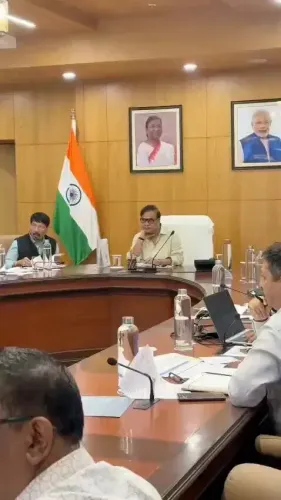
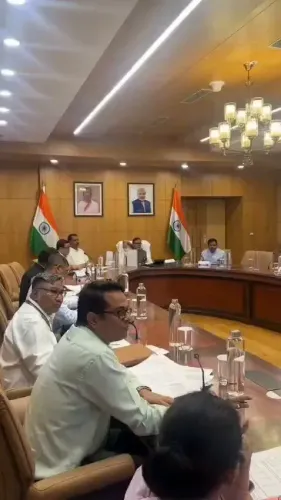
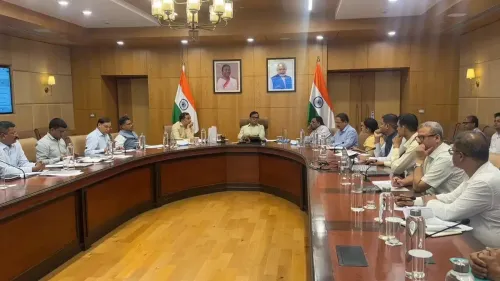
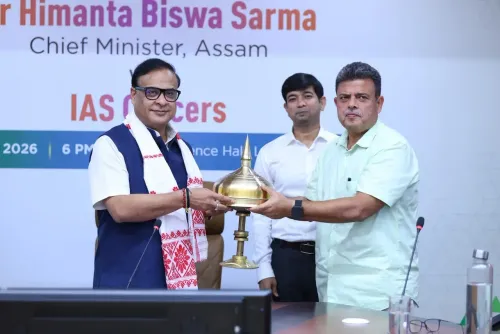
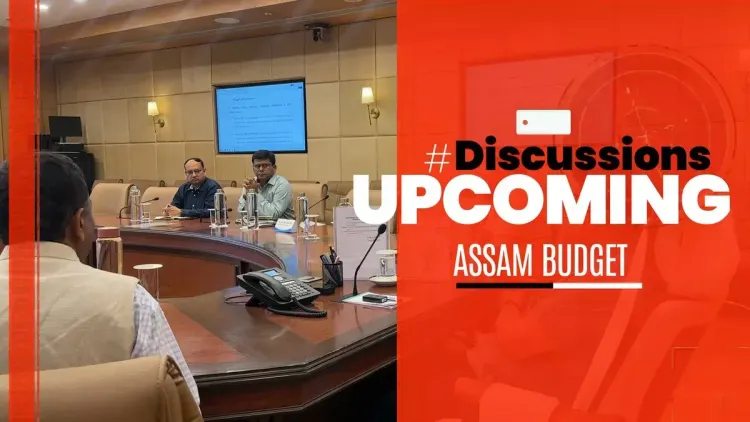
Chief Minister Himanta Biswa Sarma chaired a high-level meeting at Lok Sewa Bhawan on July 8, 2026, to review and finalise draft proposals for Assam's State Budget 2026-27, with a focus on development and public welfare priorities.
Key Takeaways
Himanta Biswa Sarma chaired a high-level budget review meeting at Lok Sewa Bhawan, Dispur on July 8, 2026 .
The meeting focused on finalising draft proposals for the Assam State Budget 2026-27 .
Key objectives outlined were sustained development and public welfare across Assam.
The review is part of Assam's standard annual pre-budget consultation process involving senior state officials.
The formal tabling of the budget in the Assam Legislative Assembly is the next milestone to watch.
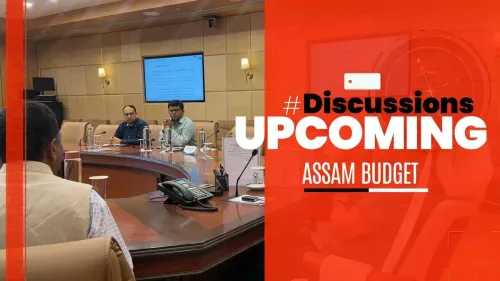
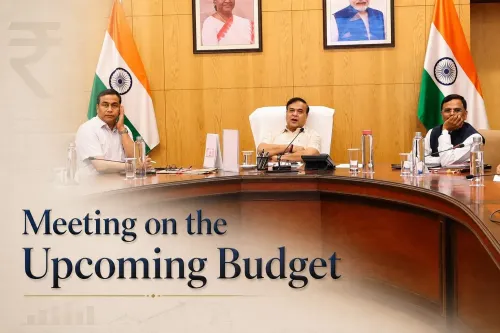
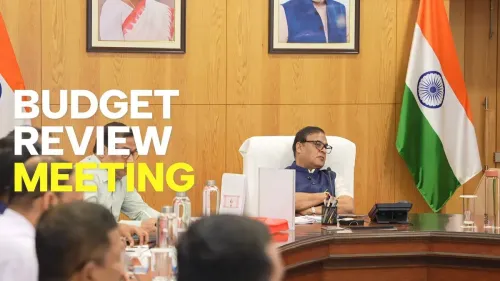
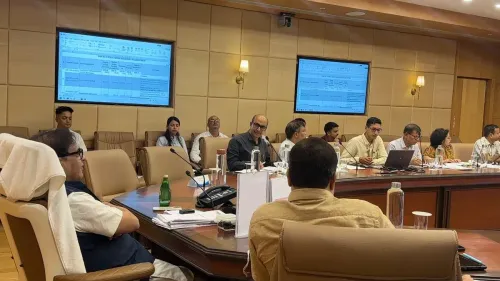
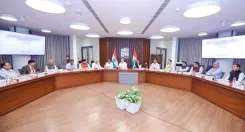
The Chief Minister's Office of Assam announced on Wednesday, July 8, 2026, that Chief Minister Dr. Himanta Biswa Sarma chaired a high-level meeting at Lok Sewa Bhawan in Dispur to review the upcoming State Budget for 2026-27, with discussions centred on finalising draft proposals aimed at sustained development and public welfare across the state.
Context
The meeting, held at Lok Sewa Bhawan — the nerve centre of Assam's administrative machinery in Dispur — brought together senior officials to consolidate departmental inputs ahead of the budget's formal presentation. The Chief Minister's Office stated that the session focused on 'finalising draft proposals to ensure sustained development and public welfare across Assam.'
Pre-budget review meetings of this nature are a standard feature of state fiscal planning in India, typically convened several months before the budget is tabled in the legislative assembly. They allow the government to align departmental spending priorities with broader policy objectives before proposals are locked in.
Policy Backdrop
Dr. Himanta Biswa Sarma has led the BJP-led Assam government since May 2021, and high-level pre-budget consultations have been a recurring feature of his administration's fiscal calendar. The practice reflects a broader federal norm across Indian states, where the chief minister or finance minister convenes internal review sessions to stress-test departmental proposals before they reach the assembly floor.
Assam's annual budget exercises carry particular significance given the state's dependence on central transfers and its ongoing infrastructure and welfare commitments across a geographically diverse and densely populated northeastern territory. Aligning draft proposals early in the cycle is seen as critical to avoiding last-minute revisions that can delay fund releases to districts.
Stakeholders and Impact
The primary beneficiaries of the budget planning process are Assam's residents, who depend on state allocations for healthcare, education, rural infrastructure, and social welfare schemes. State department heads are the immediate stakeholders, as the review meeting shapes which proposals advance and which are revised or deferred before the final budget document is prepared.
The outcome of such meetings also has downstream consequences for contractors, local bodies, and beneficiaries of state-sponsored schemes, since budget allocations determine the pace and scale of programme implementation throughout the financial year.
What's Next
The immediate next step in the cycle is the formal tabling of the Assam State Budget 2026-27 in the state legislative assembly, a date that has not yet been officially announced. Observers will watch for the size and composition of allocations — particularly for infrastructure, agriculture, and social welfare — as indicators of the government's priorities heading into the second half of its current term.
Any significant shifts in sectoral spending or the introduction of new flagship schemes will likely be signalled in the budget speech, making the outcome of this review meeting a foundational moment in Assam's fiscal planning for the year ahead.
Point of View
Likely one that will set the tone ahead of the state's next electoral cycle. Holding the session at Lok Sewa Bhawan and publicising it through the official CMO handle suggests a deliberate effort to project administrative seriousness and fiscal discipline. The emphasis on 'sustained development and public welfare' is consistent with the BJP-led government's established messaging framework in Assam, which has leaned on visible infrastructure delivery and welfare scheme expansion since 2021. The timing — mid-year — gives the administration room to course-correct departmental proposals before the budget session, a window that will be closely watched by both treasury benches and the opposition.
NationPress
8 Jul 2026
Frequently Asked Questions
What was the Assam budget review meeting on July 8 2026 about?
Chief Minister Himanta Biswa Sarma chaired a high-level meeting at Lok Sewa Bhawan on July 8, 2026, to review and finalise draft proposals for the Assam State Budget 2026-27, focusing on development and public welfare.
Where is Lok Sewa Bhawan in Assam?
Lok Sewa Bhawan is the secretariat complex located in Dispur, the administrative capital of Assam, where key cabinet and government review meetings are held.
When will the Assam State Budget 2026-27 be presented?
The exact date for tabling the Assam State Budget 2026-27 in the state legislative assembly has not been officially announced; the July 8 meeting was a pre-budget review to finalise draft proposals.
Who is the Chief Minister of Assam in 2026?
Dr. Himanta Biswa Sarma is the Chief Minister of Assam, heading the BJP-led state government since May 2021.
What is the purpose of a pre-budget review meeting in Indian states?
Pre-budget review meetings allow the chief minister and senior officials to consolidate and finalise departmental spending proposals before the annual budget is formally presented to the state legislative assembly.