Amit Shah inaugurates public service centre in Bastar's former Maoist stronghold
Synopsis
Home Minister Amit Shah's visit to Netanar in Bastar — where he inaugurated a public service centre inside a CRPF camp — is a pointed signal that the Indian state has reclaimed territory once controlled by Maoist insurgents. With LWE-affected districts down from 126 to 38 and Maoist chief Nambala Kesava Rao killed in 2025, the red stronghold is being dismantled brick by brick.
Key Takeaways
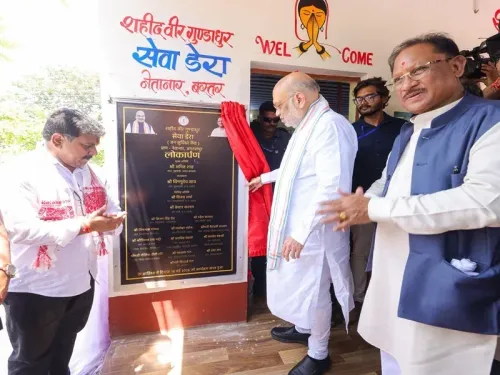
Amit Shah inaugurated the 'Shaheed Veer Gundadhur Seva Dera' public utility centre in Netanar village, Bastar on 18 May .
Shah met families of martyred soldiers Kalendra Prasad Nayak and Pawan Kumar Mandavi , killed in a Maoist attack in Bijapur .
LWE-affected districts have fallen from 126 in 2010 to 38 by 2024 ; civilian and security personnel deaths are down 85–86 per cent .
More than 230 Maoists were killed in Bastar in 2025 alone, out of nearly 270 across Chhattisgarh, according to reports.
Maoist 'chief' Nambala Kesava Rao was killed in a May 2025 operation in Dandakaranya .
The centre was set up inside a CRPF camp in what was once a core Maoist belt, symbolising the state's return to former conflict zones.
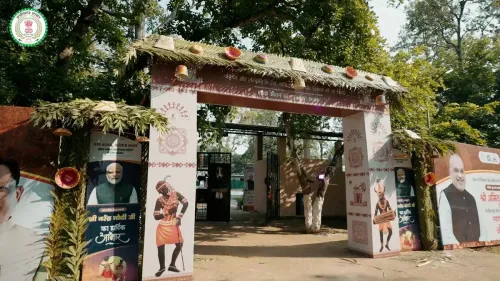
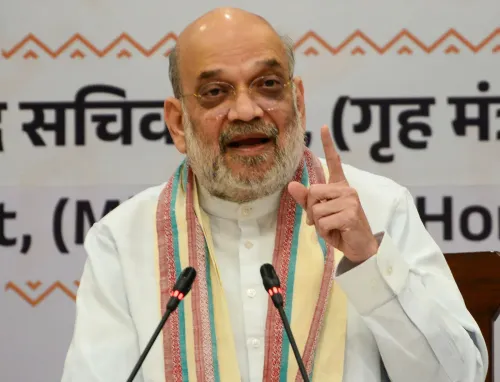
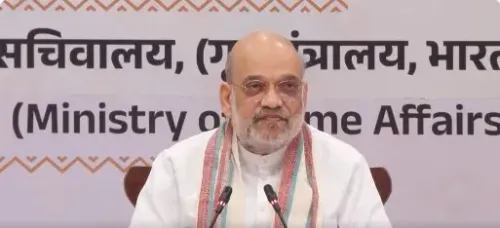
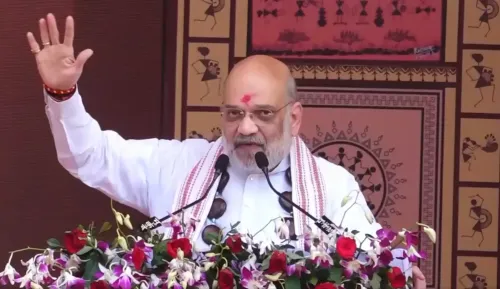
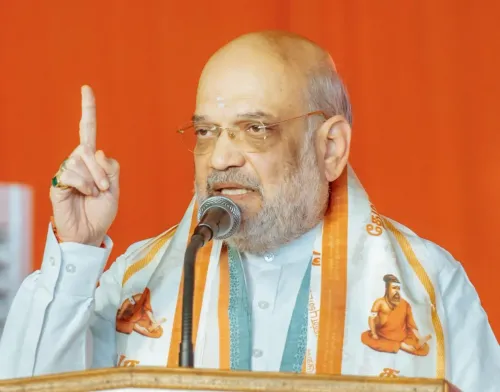
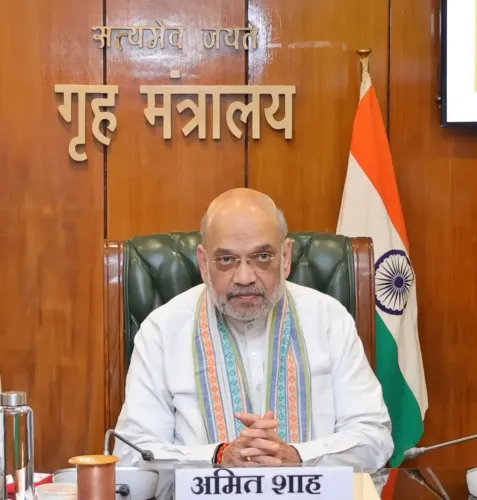
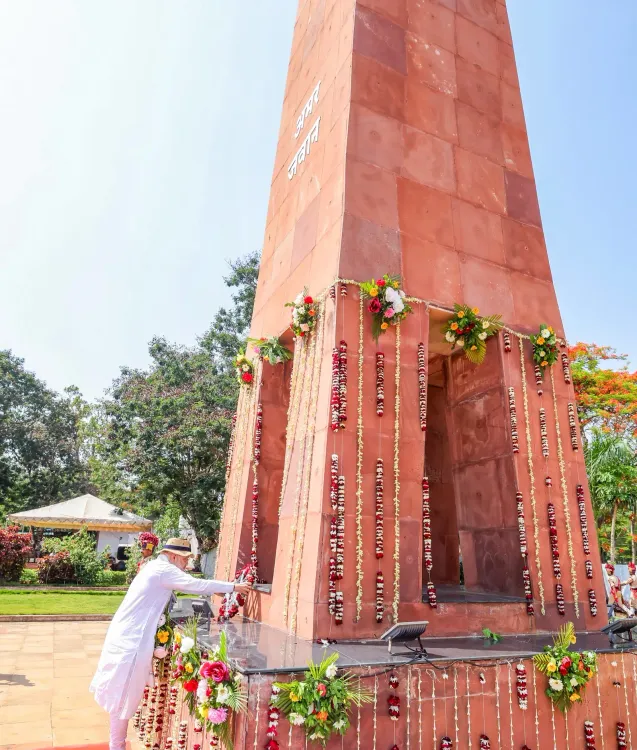
Union Home Minister Amit Shah on Monday, 18 May visited Netanar village in Bastar district, Chhattisgarh, where he inaugurated the 'Shaheed Veer Gundadhur Seva Dera' — a public utility centre set up within a Central Reserve Police Force (CRPF) camp in what was once a core Maoist belt. The visit carried a moment of deep emotion as Shah met the families of two soldiers — Kalendra Prasad Nayak and Pawan Kumar Mandavi — who were martyred in a Maoist attack in Bijapur.
Significance of the Inauguration
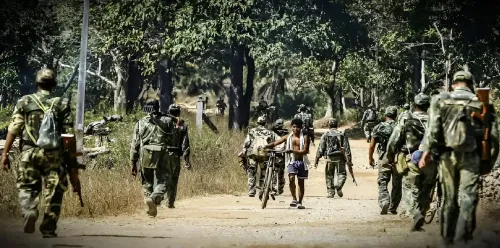
The establishment of a public service centre inside a CRPF camp in Netanar is emblematic of a broader state strategy: converting former conflict zones into spaces of governance and civilian access. Bastar, spanning districts such as Dantewada, Bijapur, Sukma, and Narayanpur, was for decades among India's most critical Left-Wing Extremism (LWE) hotspots. Dense forests, a large tribal population, and deep-rooted grievances over land, displacement, and development created fertile ground for Maoist penetration since the 1990s.
A Region Defined by Insurgency
At their peak, Maoists operating through the so-called People's Liberation Guerrilla Army carved out 'liberated zones' across Bastar, where parallel administrative structures replaced the state. They imposed taxes, ran extrajudicial courts, and recruited youth into armed squads. Some of the deadliest incidents in India's LWE history occurred here.
In 2013, Maoists attacked a Congress rally in the Jhiram valley of Dantewada, killing 27 people, including senior party leaders Mahendra Karma, Nand Kumar Patel, and former Union Minister V. C. Shukla. The Maoists openly claimed responsibility, describing it as a 'punishment' for Karma's role in founding the controversial anti-Maoist militia Salwa Judum. Ahead of the 2019 Lok Sabha elections, Bharatiya Janata Party (BJP) legislator Bhima Mandavi and four police personnel were killed when an improvised explosive device struck his convoy near Kuakonda in Dantewada — part of a broader Maoist campaign to disrupt the electoral process.
Security Operations and the Turning Tide
Central and state security forces have intensified operations in the Bastar-Dandakaranya belt over the past decade. In 2025 alone, more than 30 suspected Maoists were reportedly killed in two separate joint operations by the District Reserve Guard (DRG), Border Security Force (BSF), and other paramilitary units along the Kanker-Narayanpur border, according to available reports. A separate encounter on the Dantewada-Bijapur border in late 2025 left at least five Maoists and one DRG jawan dead, pushing the yearly tally of Maoists killed in Bastar to more than 230 out of nearly 270 across Chhattisgarh.
A landmark moment came in May 2025, when Maoist 'chief' Nambala Kesava Rao, alias Basvaraju, was killed in a security operation in Dandakaranya — a significant blow to the organisation's command structure.
Development as Counter-Insurgency
India's multi-pronged LWE strategy has combined intelligence-driven strikes with road-building, fortified camps, surrendered-fighter rehabilitation schemes, and targeted development spending. The number of LWE-affected districts has shrunk from 126 in 2010 to 38 by 2024, with active violence falling by over 70–80 per cent, according to reports. Deaths of civilians and security personnel have declined by 85–86 per cent over the same period.
Local units such as the DRG and the 'Bastar Fighters' — personnel drawn from the region who understand local language, terrain, and tribal dynamics — are widely credited with eroding Maoist networks at the grassroots level. The Centre and the Chhattisgarh government have also ramped up outreach in health, education, and connectivity across the division.
What the Inauguration Signals
Bastar is no longer the unchallenged Maoist stronghold it once was. Residual insurgency persists, but the state's presence — symbolised by a public service centre now operating inside a former conflict zone — marks a qualitative shift in ground reality. The inauguration of the Shaheed Veer Gundadhur Seva Dera in Netanar is as much a political statement as an administrative one: that the state has returned, and intends to stay.
Point of View
Costly operations. What mainstream coverage often misses is the human architecture behind these numbers: local units like the DRG, drawn from the same tribal communities Maoists once recruited from, have been the decisive edge. The harder question now is whether development spending in Bastar will address the original grievances — over land, displacement, and forest rights — that gave Maoism its ideological foothold in the first place. Security victories can hollow out an insurgency; they cannot, by themselves, resolve the conditions that created it.
NationPress
19 Sept 2026
Frequently Asked Questions
What is the Shaheed Veer Gundadhur Seva Dera inaugurated by Amit Shah?
It is a public utility centre set up within a CRPF camp in Netanar village, Bastar district, Chhattisgarh. The centre, inaugurated by Home Minister Amit Shah on 18 May, is located in a region that was once a Maoist stronghold and represents the state's effort to restore civilian services in former conflict zones.
Why is Amit Shah's visit to Bastar significant?
The visit signals the Indian state's reclamation of territory long dominated by Maoist insurgents. Shah also met the families of two martyred soldiers, Kalendra Prasad Nayak and Pawan Kumar Mandavi, underscoring the human cost of the decades-long conflict in the region.
How has the Left-Wing Extremism situation in Chhattisgarh changed?
According to reports, LWE-affected districts across India have shrunk from 126 in 2010 to 38 by 2024, with active violence down over 70–80 per cent and civilian and security personnel deaths falling by 85–86 per cent. In Bastar specifically, more than 230 Maoists were reportedly killed in 2025 alone.
Who was Nambala Kesava Rao, and why does his killing matter?
Nambala Kesava Rao, alias Basvaraju, was described as the Maoist 'chief' and was killed in a security operation in Dandakaranya in May 2025. His elimination is considered a significant blow to the Maoist command structure in the Bastar-Dandakaranya belt.
What were some of the deadliest Maoist attacks in Bastar's history?
The 2013 Jhiram valley attack in Dantewada killed 27 people, including Congress leaders Mahendra Karma, Nand Kumar Patel, and former Union Minister V. C. Shukla. In 2019, BJP legislator Bhima Mandavi and four police personnel were killed in an IED blast on his convoy near Kuakonda, Dantewada, ahead of the Lok Sabha elections.