CM Samrat Choudhary, Gadkari Together for Bihar Road Push
Synopsis
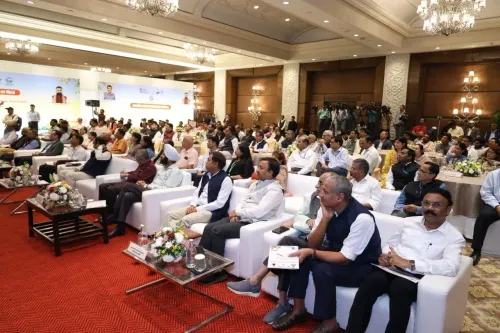
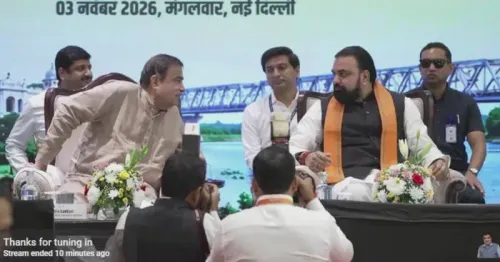
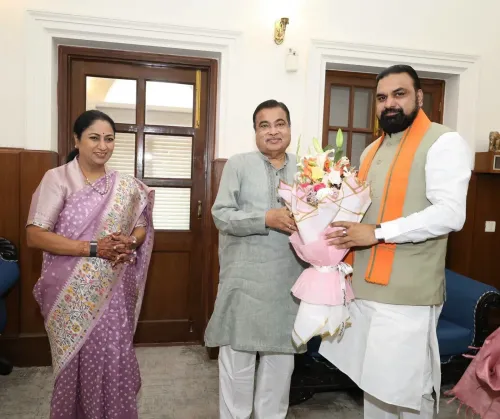
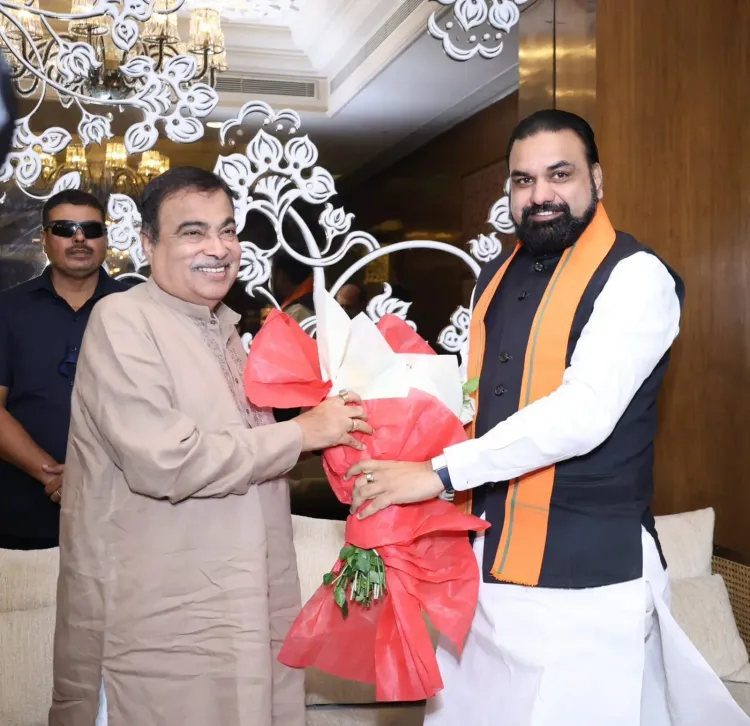
Bihar Chief Minister Samrat Choudhary and Union Road Transport Minister Nitin Gadkari came together on 3 November 2026 for a high-profile joint event focused on road transport and highways in Bihar, signalling fresh momentum on the state's national highway agenda.
Key Takeaways
Bihar CM Samrat Choudhary and Union Minister Nitin Gadkari jointly presided over a road-sector event on 3 November 2026 .
The event was organised jointly by the Union Ministry of Road Transport and Highways and the Bihar state government.
Bihar has been part of the Bharatmala Pariyojana highway expansion programme since its 2015 launch.
Such joint Centre-state platforms typically precede project launches, funding releases, or formal MoU signings.
Bihar's road connectivity gap makes national highway investment in the state a high-priority policy concern.
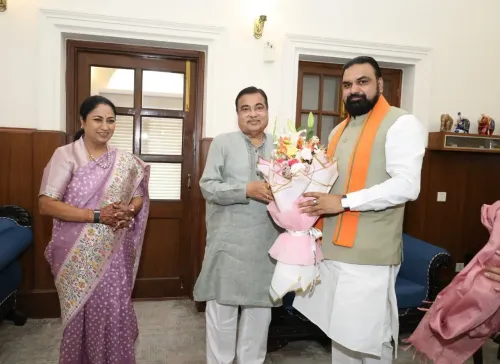
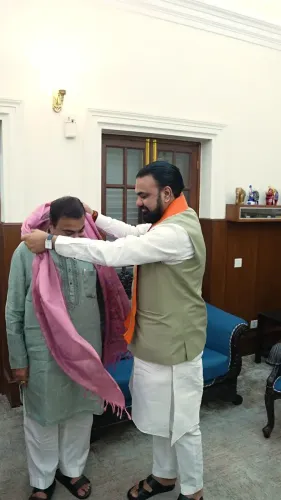
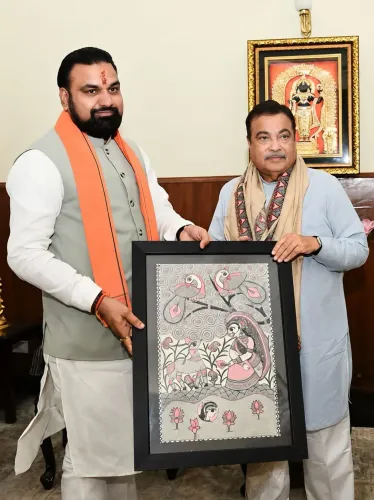
A high-level convergence of state and central authority on Tuesday, 3 November 2026 brought Bihar Chief Minister Samrat Choudhary and Union Minister of Road Transport and Highways Nitin Gadkari to the same platform — a signal that the state's highway agenda is moving from paper to pavement.
The Chief Minister's Office of Bihar announced the joint event, noting the dignified presence (garimamayi upasthiti) of both leaders alongside the Union Ministry of Road Transport and Highways. The post cuts off mid-sentence, but the framing — a central ministry alongside a state government — is the standard architecture for project launches, foundation-stone ceremonies, or the signing of memoranda of understanding on national highway work.
Bihar's Highway Deficit and the Central Pipeline
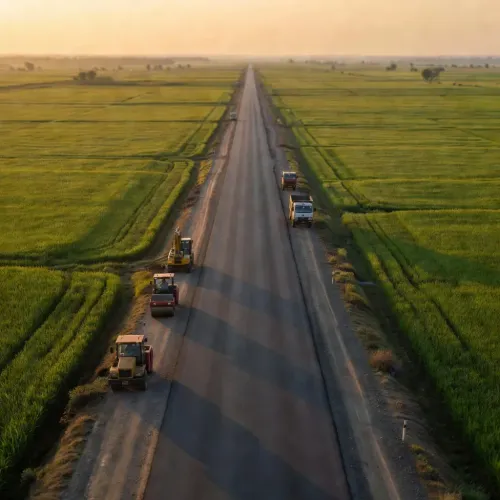
Bihar has long been counted among the states with the most ground to recover on road connectivity. The eastern state was included in successive phases of the Bharatmala Pariyojana, the flagship national highway expansion programme launched in 2015, which earmarked new economic corridors, ring roads, and inter-state linkages across the country.
Gadkari's ministry has presided over dozens of such joint inaugurations and corridor announcements across states. Bihar has featured prominently in these — both because of its strategic position linking eastern India to national freight routes and because of its significant infrastructure gap relative to more developed states.
What a Centre-State Platform of This Weight Typically Signals
When a sitting Union minister of Gadkari's seniority shares a stage with a Chief Minister for a road-sector event, the outcome is rarely ceremonial alone. Watchers of infrastructure policy will be looking for specific project announcements, disbursement of central funds, or formal agreements that bind timelines to accountability. The Bihar government's decision to mark the occasion publicly through its official CMO account underscores that whatever emerged from the meeting carries political as well as administrative weight.
For Bihar's residents — who depend on functional highways for everything from farm-to-market logistics to access to hospitals — the proof will arrive in the months ahead, measured in stretches of new tarmac and reduced travel times on corridors that connect the state's districts to national networks.
Two of India's most consequential infrastructure voices in the same room: Bihar is watching to see what they built there.
Point of View
Which has historically lagged on infrastructure investment relative to its population and economic potential, visible Centre-state alignment serves a dual purpose: accelerating project approvals and signalling political seriousness to voters. The event also fits a broader pattern of the road transport ministry using state-level ceremonies to keep the Bharatmala narrative alive ahead of successive phase rollouts. The real test, as always, will be the gap between the dias and the ground.
NationPress
4 Nov 2026
Frequently Asked Questions
What was the joint event between Nitin Gadkari and Bihar CM Samrat Choudhary about?
The event was a joint initiative of the Union Ministry of Road Transport and Highways and the Bihar state government, held on 3 November 2026 with both leaders presiding. Specific project details from the event are awaited.
What is the Bharatmala Pariyojana and how does Bihar benefit?
Bharatmala Pariyojana is a central government national highway expansion programme launched in 2015. Bihar has been included in its successive phases to build new economic corridors and improve road connectivity across the state.
Who is Samrat Choudhary, the Chief Minister of Bihar?
Samrat Choudhary is the Chief Minister of Bihar, representing the state government in infrastructure and development partnerships with the central government.
What role does Nitin Gadkari play in Bihar highway projects?
As Union Minister of Road Transport and Highways, Nitin Gadkari oversees national highway construction and funding under schemes like Bharatmala, and has presided over multiple project launches in Bihar.
Why is road infrastructure important for Bihar?
Bihar has a significant infrastructure gap relative to other states. Better highways are critical for farm-to-market logistics, inter-district connectivity, access to health services, and integrating the state into national freight networks.