CM Samrat Choudhary Meets Gadkari in Delhi Over Bihar Roads
Synopsis
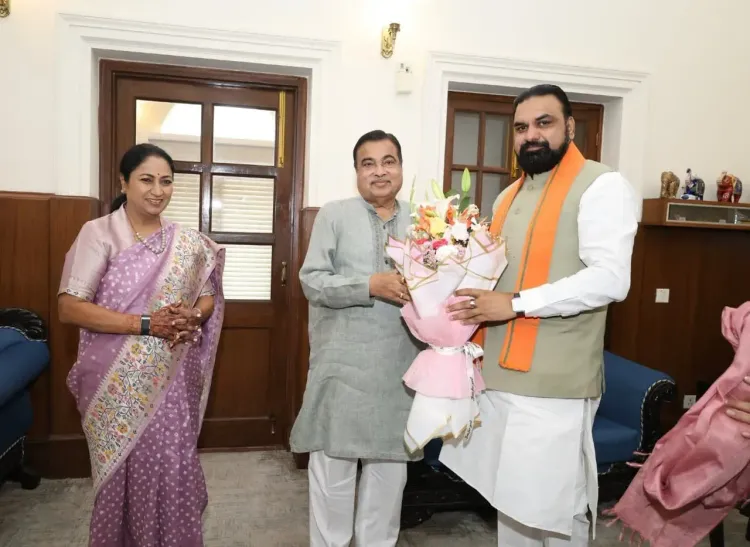
Bihar Chief Minister Samrat Choudhary travelled to Delhi on November 2, 2026, and held a high-level meeting with Union Road Transport and Highways Minister Nitin Gadkari, signalling active state-centre coordination on highway projects and Bharatmala-linked funding for Bihar.
Key Takeaways
Bihar CM Samrat Choudhary visited Delhi on November 2, 2026 for a high-level meeting with Union Minister Nitin Gadkari .
The meeting focused on road transport and highway issues — a standing priority under the Bharatmala Pariyojana .
Nitin Gadkari has led the Road Transport and Highways Ministry since 2014 , overseeing India's largest-ever highway expansion programme.
Bihar has been a recurring beneficiary of central highway funding, with state-centre coordination ongoing since at least 2015 .
Key issues at such meetings typically include project approvals, funding releases, and land acquisition bottlenecks.
Follow-up announcements on new highway stretches or revised project timelines for Bihar are now expected.
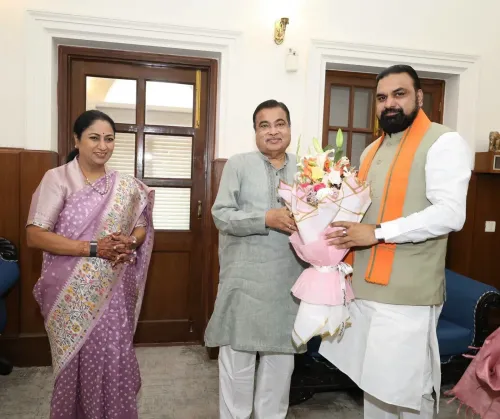
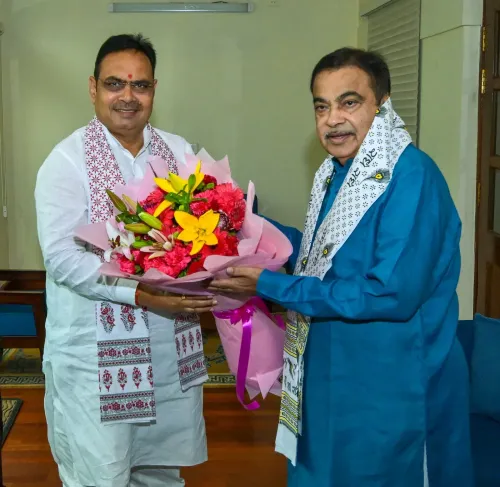
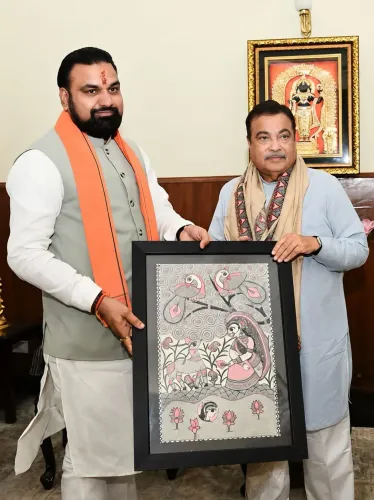
Bihar's roads agenda landed in Delhi on Monday, November 2, 2026, when Chief Minister Samrat Choudhary sat down with Union Minister of Road Transport and Highways Nitin Gadkari for a high-level meeting — a signal that the state is pushing hard to convert highway promises into asphalt.
The Chief Minister's Office confirmed the meeting in a post on X, stating that 'माननीय मुख्यमंत्री श्री सम्राट चौधरी जी ने आज दिल्ली दौरे के दौरान केंद्रीय सड़क परिवहन एवं राजमार्ग मंत्री श्री नितिन गडकरी जी के साथ उच्चस्तरीय बैठक की' — 'Honourable Chief Minister Samrat Choudhary today held a high-level meeting with Union Road Transport and Highways Minister Nitin Gadkari during his Delhi visit.'
Why This Delhi Trip Matters for Bihar's Highways
Nitin Gadkari has helmed the Road Transport and Highways Ministry since 2014, overseeing the single largest road-building push in India's history, including the Bharatmala Pariyojana — the central government's flagship programme to stitch together national economic corridors and border roads. Bihar has been a significant beneficiary, with multiple national highway stretches and expressway proposals flowing through Gadkari's ministry over the past decade.
State chief ministers making the trek to Delhi to meet Gadkari is a well-worn pattern in Indian infrastructure politics. The real work happens in these rooms: project approvals, funding tranches, land acquisition deadlocks, and revised timelines all require face time at the ministerial level. For Bihar — an eastern state where road connectivity has historically lagged behind western and southern counterparts — each such meeting carries concrete stakes for millions of commuters and freight operators.
Bharatmala and Bihar's Infrastructure Ambitions
Central and Bihar governments have coordinated on road projects under the Bharatmala framework since at least 2015, with periodic high-level reviews between state leadership and the Union ministry. The programme targets inter-state connectivity, ring roads around major cities, and economic corridors designed to reduce logistics costs — priorities that align directly with Bihar's development agenda.
Land acquisition, which has slowed projects across multiple states, is one recurring bottleneck that such meetings are designed to resolve. So is the release of central funds tied to state-level compliance milestones. Today's discussion with Gadkari likely touched on one or more of these pressure points.
What Comes Next
The proof will be in the follow-through. After high-level meetings of this kind, the standard outcome is either a formal announcement on new highway stretches, a fresh tranche of project funding, or revised completion timelines for stalled corridors. Bihar's residents — and the highway developers already engaged on ground — will be watching for those specifics in the days ahead.
One meeting does not build a road. But without meetings like this one, roads don't get built at all.
Point of View
Which has used infrastructure as a core development narrative, this engagement signals the state government is actively managing its Bharatmala pipeline rather than waiting for Delhi to deliver. The broader arc is one of competitive federalism in infrastructure: states that lobby hardest tend to see projects move fastest, creating incentives for exactly this kind of high-level outreach.
NationPress
2 Nov 2026
Frequently Asked Questions
Why did Bihar CM Samrat Choudhary meet Nitin Gadkari in Delhi?
Bihar Chief Minister Samrat Choudhary met Union Road Transport and Highways Minister Nitin Gadkari on November 2, 2026, for a high-level discussion on highway projects and road infrastructure for Bihar, including matters related to the Bharatmala Pariyojana.
What is the Bharatmala Pariyojana and how does it affect Bihar?
Bharatmala Pariyojana is the central government's flagship national highway expansion programme launched in 2015. Bihar has received central funding under this scheme for multiple national highway and expressway projects aimed at improving road connectivity in the state.
Who is Nitin Gadkari?
Nitin Gadkari is India's Union Minister of Road Transport and Highways, a post he has held since 2014. He is the driving force behind India's accelerated national highway construction, including the Bharatmala Pariyojana.
What outcomes are expected after the Bihar CM-Gadkari meeting?
Such high-level meetings typically result in announcements on new highway project approvals, release of central funds, or revised timelines for stalled corridors. Specific follow-up announcements for Bihar are expected in the coming days.
How often does Bihar's state leadership meet the Union Road Transport Ministry?
Bihar and the Union Road Transport Ministry have held periodic high-level coordination meetings since at least 2015, reflecting the state's active engagement in securing highway project approvals and resolving land acquisition issues under Bharatmala.