Amit Shah Hails Bastar's Naxal-Free Status, PM Modi Cited
Synopsis
Union Home Minister Amit Shah on November 8, 2026, shared PM Modi's declaration that Bastar — once India's most volatile Naxal stronghold — has been freed from Left Wing Extremism, crediting jawans' sacrifice and pointing to a new wave of development in Chhattisgarh.
Key Takeaways
Amit Shah quoted PM Modi on November 8, 2026 declaring Bastar Naxal-free, crediting the sacrifice and courage of security personnel.
Bastar in Chhattisgarh has been the core theatre of India's Maoist insurgency for over fifteen years, the site of some of the deadliest attacks on security forces.
The Ministry of Home Affairs has pursued the SAMADHAN doctrine since 2017 , combining security operations with development and rehabilitation in Naxal-affected areas.
The number of Naxal-affected districts in India has shrunk from a peak of over 180 to a small fraction, with Chhattisgarh as the last major frontline.
Infrastructure milestones — roads, mobile connectivity, banking access, and welfare delivery — are the government's stated markers of post-conflict development in Bastar .
The claim of full Naxal-free status will be tested by independent ground-level assessments and the return of displaced tribal communities.
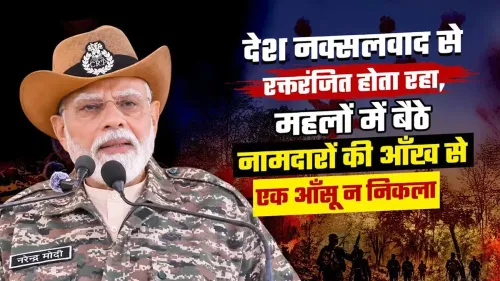
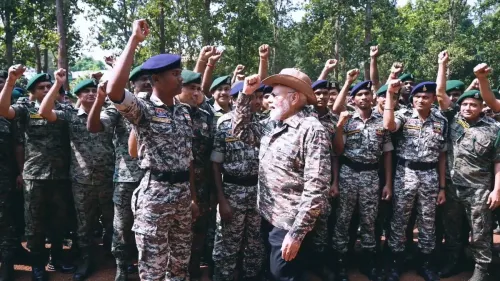
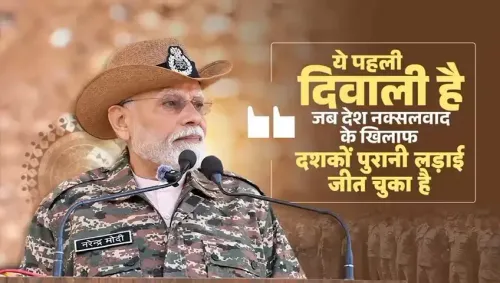
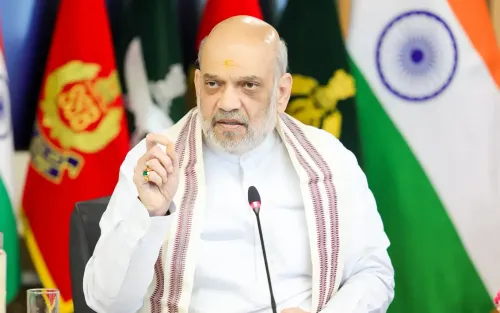
A land once synonymous with insurgency, ambushes, and fear is now being spoken of in the language of development. Union Home Minister Amit Shah on Sunday, November 8, 2026, shared a pointed quote attributed to Prime Minister Narendra Modi, declaring that Bastar — the heartland of India's decades-long Naxalite conflict — has been freed from Left Wing Extremism through the sacrifice and courage of security personnel.
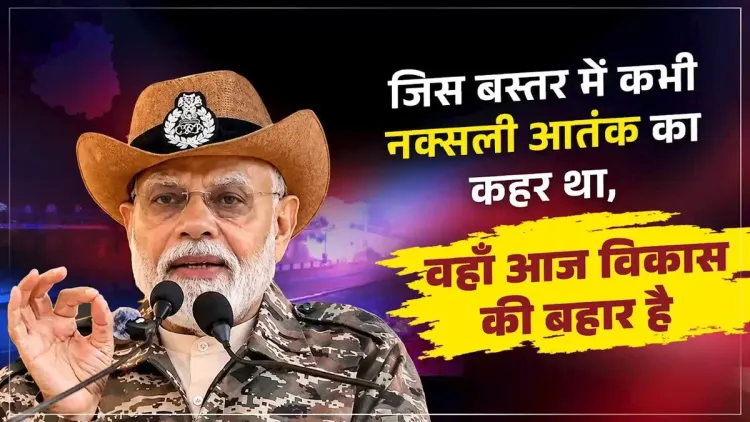
Shah quoted Modi as saying: 'जवानों के त्याग और साहस से बस्तर की यह भूमि नक्सलमुक्त हुई और आज यहाँ विकास की बहार है' — 'Through the sacrifice and courage of our jawans, this land of Bastar has become Naxal-free, and today development is blooming here.' The post was accompanied by a video, underscoring the significance the ruling dispensation places on this milestone.
Fifteen Years of Pressure, One Defining Claim
Bastar, a sprawling division in Chhattisgarh, has been the most stubborn redoubt of the Communist Party of India (Maoist) movement for more than fifteen years. The forested terrain made it ideal for guerrilla warfare; it became the site of some of India's deadliest attacks on security forces. That the same geography is now being described as naksalmukt — Naxal-free — is a rhetorically and politically loaded declaration.
The Ministry of Home Affairs has pursued what it calls the SAMADHAN doctrine since 2017 — a framework combining smart leadership, aggressive strategy, motivation and training, actionable intelligence, dashboard-based key performance indicators, harnessing technology, action plans for each theatre, and no access to financing. It paired hard security operations by the CRPF and Chhattisgarh Police with accelerated road construction, mobile connectivity, and welfare delivery in cleared areas.
Shah's Role at the Centre of the Anti-Naxal Campaign
As Union Home Minister, Amit Shah has been the operational face of the government's anti-Naxal drive, frequently chairing review meetings on Left Wing Extremism-affected states and setting explicit timelines for eliminating the insurgency. His decision to amplify Modi's words on this occasion signals a deliberate projection of a shared political victory — one the BJP has staked significant credibility on.
The tribal communities of Bastar — long caught between Maoist intimidation and security-force pressure — stand as the primary human stakes of any genuine transformation. Infrastructure investments: roads, schools, health centres, and banking access in previously inaccessible villages, have been the government's stated answer to the 'development deficit' that Maoists historically exploited for recruitment.
What 'Development Blooming' Looks Like on the Ground
Successive central government reports have documented a steady contraction of Naxal-affected districts — from over 180 districts at the peak to a fraction of that number. Chhattisgarh has been the last major frontline. New road connectivity has opened markets for tendu leaves, timber, and minor forest produce that tribal livelihoods depend on. Mobile towers, once routinely blown up by Maoists, are now reported to be operational across previously dark zones.
The political claim of Bastar being fully Naxal-free is significant, and its ground-level completeness will be tested by independent assessments and by whether displaced tribal families return and rebuild. The jawans who paid the heaviest price — hundreds of CRPF and state police personnel killed in Bastar over the years — are the figures both Modi and Shah place at the moral centre of this achievement. That framing is deliberate: it roots a governance victory in human sacrifice, making it harder to contest on purely political terms.
Bastar's story is not over — it is entering a new chapter. Whether development truly blooms will depend on what happens in the years after the guns fall silent.
Point of View
This closes a loop: as Home Minister, he has presided over the final phase of a campaign that eluded his predecessors. The framing — centring the jawans rather than the government — is calculated to insulate the claim from political pushback, anchoring it in sacrifice rather than strategy. The real test, as always, will come not in the announcement but in whether tribal Chhattisgarh sees the durable development that was promised as the insurgency's root-cause solution.
NationPress
8 Nov 2026
Frequently Asked Questions
Is Bastar really Naxal-free in 2026?
The Indian government, through PM Modi and Home Minister Amit Shah, has claimed Bastar is Naxal-free as of November 2026, crediting sustained security operations and the SAMADHAN doctrine. Independent verification of a complete clearance is still awaited.
What is the SAMADHAN doctrine for anti-Naxal operations?
SAMADHAN is a Ministry of Home Affairs framework launched in 2017 that combines smart leadership, aggressive strategy, motivation and training, actionable intelligence, dashboard-based monitoring, technology use, theatre-specific action plans, and cutting off Maoist financing.
What role did Amit Shah play in anti-Naxal operations?
As Union Home Minister, Amit Shah chaired regular inter-state review meetings on Left Wing Extremism, set explicit timelines for eliminating the insurgency, and pushed for simultaneous deployment of security forces and development infrastructure in affected districts.
How many Naxal-affected districts were there at the peak?
At its peak, Left Wing Extremism was recorded across more than 180 districts in India. That number has been reduced significantly through sustained central and state security operations and welfare outreach.
What development is happening in Bastar after anti-Naxal operations?
Post-clearance, the government has prioritised road construction, mobile tower installation, banking access, and welfare scheme delivery in Bastar's previously inaccessible tribal villages, aiming to address the development deficit that Maoists historically exploited.