CM Manik Saha attends TTAADC new executive oath ceremony

Synopsis
Tripura CM Dr. Manik Saha attended the oath-taking ceremony of the new TTAADC executive on November 10, 2026, formalising a fresh term for the Sixth Schedule body that governs tribal land, forest, and welfare affairs in Tripura.
Key Takeaways
Manik Saha attended the oath-taking ceremony of new TTAADC executive members on November 10, 2026 .
The TTAADC was constituted in 1982 and brought under the Sixth Schedule via the 49th Constitutional Amendment in 1985 .
The council holds statutory authority over land rights, forests, and local administration in Tripura's tribal areas.
The ceremony was live-streamed, signalling a push for institutional transparency in the transition.
The new executive's early budget and policy decisions on tribal welfare delivery will be closely watched.
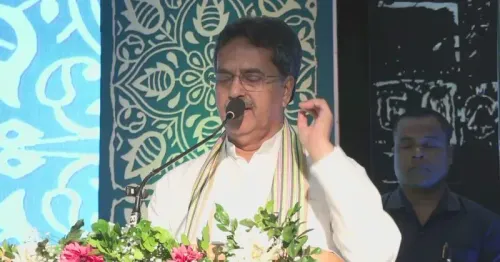
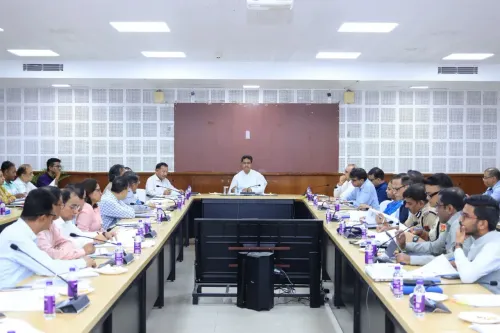
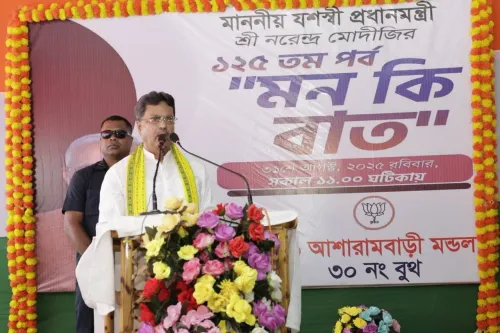
A new chapter opens for tribal self-governance in Tripura. Tripura Chief Minister Dr. Manik Saha attended the live oath-taking ceremony of the newly constituted executive members of the Tripura Tribal Areas Autonomous District Council (TTAADC) on Tuesday, November 10, 2026, marking the formal transfer of administrative authority within one of northeastern India's most consequential Sixth Schedule bodies.
What the TTAADC is — and why this moment matters
The TTAADC is not a ceremonial body. Constituted in 1982 and brought under the Sixth Schedule of the Constitution via the 49th Amendment in 1985, it holds statutory powers over land rights, forest management, and local administration across the tribal belt of Tripura. When a new executive is sworn in, it is not just a photo-op — it is a legal handover of authority that directly shapes the daily lives of Tripura's tribal communities.
Sixth Schedule councils exist precisely to insulate scheduled tribe populations from administrative decisions made without their representation. The oath-taking ceremony formalises which hands now hold those levers.
BJP's footprint in TTAADC and northeastern tribal governance
Chief Minister Dr. Manik Saha's presence at the ceremony underlines the BJP's sustained focus on embedding itself within the institutional life of Tripura's tribal areas — a political landscape that has historically been contested and complex. Across the northeast, national parties have increasingly engaged with Sixth Schedule councils, treating them not as peripheral bodies but as critical theatres of governance and political outreach.
Executive reconstitutions following elections are pivotal moments: the incoming body sets budget priorities, frames welfare delivery timelines, and signals policy direction on land rights — issues that tribal communities track closely and personally.
What the new TTAADC executive inherits
The incoming executive steps into a role with real weight. Welfare delivery gaps, forest rights implementation, and infrastructure development in tribal areas remain live challenges. The first budget and policy signals from this new body will be watched closely by communities across the tribal belt — and by analysts tracking whether Sixth Schedule governance is deepening in substance or remaining largely symbolic.
Dr. Saha's decision to broadcast the ceremony live signals an intent to make the transition visible and public-facing — a small but deliberate act of institutional transparency.
The oath has been taken. Now the work begins.
Point of View
Not merely a majority-community political force. How the newly constituted executive translates this ceremonial moment into concrete policy action — on land rights, forest governance, and welfare delivery — will determine whether this transition registers as substantive or performative. For analysts of northeastern governance, the first TTAADC budget under this executive will be the real test.
NationPress
10 Nov 2026
Frequently Asked Questions
Why did CM Manik Saha attend the TTAADC oath ceremony?
As Chief Minister of Tripura, Dr. Manik Saha participated in the oath-taking of the new TTAADC executive to mark the formal transfer of administrative authority within the tribal council and signal state-level support for the transition.
What powers does the TTAADC have?
The TTAADC holds statutory authority over land rights, forest management, and local administration in designated tribal areas of Tripura under the Sixth Schedule of the Indian Constitution.
What is the Sixth Schedule of the Indian Constitution?
The Sixth Schedule provides for autonomous district councils in certain northeastern states, granting them legislative and administrative powers over tribal communities, particularly on matters of land, forest, and local customs.
What will the new TTAADC executive focus on?
The new executive is expected to set budget priorities and policy direction on tribal welfare delivery, land rights, and forest governance — areas that directly affect scheduled tribe communities across Tripura's tribal belt.