Pakistan lawyers' detention: Global academics demand release of Mazari, Chattha
Synopsis
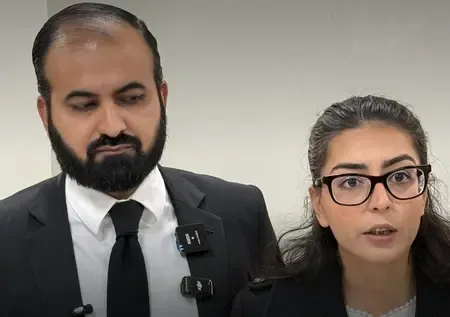
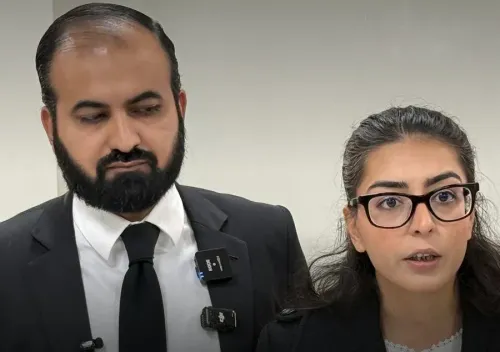
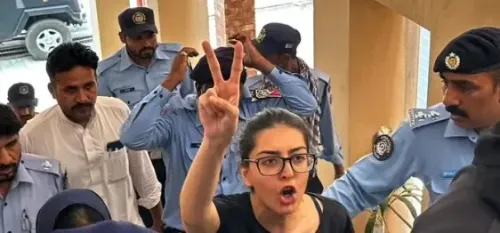
Despite a Supreme Court order suspending their sentences in September 2026, Pakistani human rights lawyers Imaan Zainab Mazari-Hazir and Hadi Ali Chattha remain in detention — rearrested by police within hours of their release. Now, a cross-Atlantic group of Pakistani-origin academics at top universities in the US and UK has gone public with a damning statement, calling it a deliberate attempt to silence legal dissent through state machinery.
Key Takeaways
Imaan Zainab Mazari-Hazir and Hadi Ali Chattha were sentenced to 17 years in prison in January 2026 under Pakistan's Prevention of Electronic Crimes Act (PECA) over social media posts.
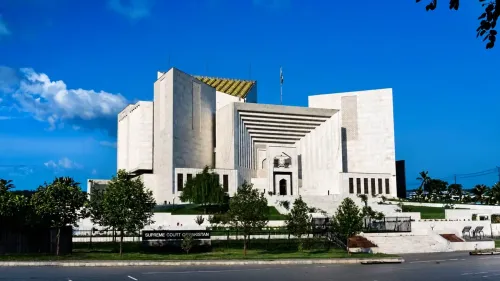
The Supreme Court of Pakistan suspended their sentences and granted bail on 17 September 2026 , but police rearrested them within hours in a separate case.
Academics at universities including Tufts , University of Pennsylvania , UCL , and University of Warwick have signed a statement demanding their immediate release.
Signatories argue the detentions violate Pakistan's obligations under the International Covenant on Civil and Political Rights (ICCPR) .
The statement was reported in Pakistani daily Dawn and cites positions taken by the International Commission of Jurists .
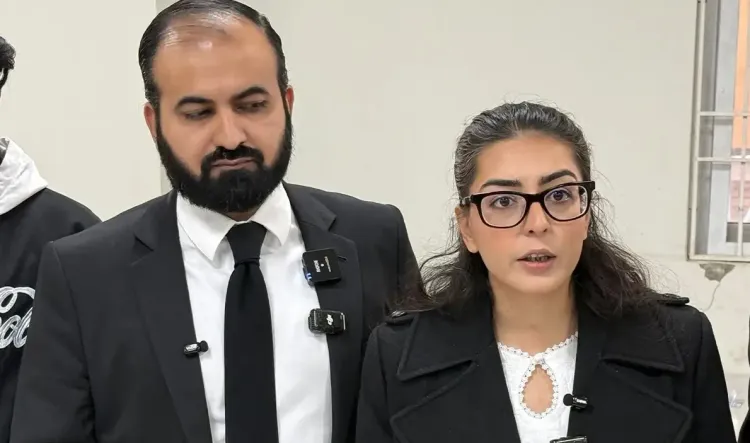
Scholars and academics of Pakistani origin based at leading universities in the United States and the United Kingdom have publicly demanded the immediate release of human rights lawyers Imaan Zainab Mazari-Hazir and Hadi Ali Chattha, who remain in detention in Pakistan despite a Supreme Court order suspending their sentences. The signatories have called for all charges against the two lawyers to be dropped, framing the case as a direct challenge to freedom of expression and the rule of law in Pakistan.
Background: How the Two Lawyers Were Detained
According to reports, Mazari-Hazir and Chattha were sentenced to 17 years in prison in January 2026 under Pakistan's Prevention of Electronic Crimes Act (PECA), reportedly over social media posts that were critical of alleged human rights abuses. The Supreme Court of Pakistan subsequently suspended their sentences and granted them bail on 17 September 2026. However, within hours of their release, police reportedly took both lawyers into custody in a separate case. They are said to be currently still under detention.
Who Signed the Statement and What They Said
The statement drew support from prominent academics across multiple institutions. Notable signatories include Ayesha Siddiqa of the School of Oriental and African Studies, Fahd Hamayun of Tufts University, Hashim bin Rashid of the University of Pennsylvania, Maria Rashid of the University of Wolverhampton, Raza Rumi of the City University of New York, Reem Khurshid of University College London, Yunus Samad of the University of Bradford, and Zoha Waseem of the University of Warwick.
The statement characterised the detentions as emblematic of a broader erosion of civil liberties. 'Criminal law must not become a weapon for silencing dissent or intimidating lawyers for their advocacy,' the signatories said. They further argued that a 17-year sentence for social media commentary was inconsistent with Pakistan's obligations under the International Covenant on Civil and Political Rights (ICCPR), citing positions taken by the International Commission of Jurists.
The Lawyers' Human Rights Work
According to a report in Dawn, the academics noted that Mazari-Hazir had spoken out against enforced disappearances, represented victims and their families, and publicly challenged the Pakistani establishment. Chattha, for his part, had defended individuals facing blasphemy charges and represented prisoners on death row. The signatories argued that their detentions were directly linked to this advocacy work.
International Obligations and Calls for Action
The academics emphasised that Pakistan, as a state party to the ICCPR, is legally obligated to protect the right to criticise state institutions. They urged the Pakistani federal government, the judiciary, and other state institutions to fulfil the country's constitutional and international legal obligations, and to ensure that the two lawyers are not subjected to further arbitrary detention. This comes amid a broader pattern of concern from international legal bodies over the use of PECA to prosecute dissenting voices in Pakistan.
As international pressure mounts, the case is being closely watched by human rights organisations worldwide, with further advocacy expected if the lawyers' detention continues.
Point of View
A law with a notably broad remit, as a tool against lawyers who represented blasphemy accused and enforced-disappearance victims underscores a chilling pattern: advocacy itself is being criminalised. What is notable is that the pushback is coming not from Western governments but from Pakistani-origin academics, whose voices carry a legitimacy that foreign criticism often lacks inside Pakistan. Whether that moral authority translates into any institutional response from Islamabad remains the real question.
NationPress
11 Oct 2026
Frequently Asked Questions
Who are Imaan Zainab Mazari-Hazir and Hadi Ali Chattha?
They are Pakistani human rights lawyers who were sentenced to 17 years in prison in January 2026 under the Prevention of Electronic Crimes Act (PECA) over social media posts critical of alleged rights abuses. Mazari-Hazir is known for speaking out against enforced disappearances, while Chattha has represented individuals facing blasphemy charges and prisoners on death row.
Why are the lawyers still in detention despite a Supreme Court order?
The Supreme Court of Pakistan suspended their sentences and granted bail on 17 September 2026, but police reportedly rearrested them within hours under a separate case. They are said to remain in custody as of the latest reports.
What is PECA and why is it controversial?
The Prevention of Electronic Crimes Act (PECA) is a Pakistani law that criminalises certain online activity, including content deemed critical of state institutions. Critics, including the international academics who signed the statement, argue that a 17-year sentence for social media commentary is inconsistent with Pakistan's obligations under the International Covenant on Civil and Political Rights.
Who has demanded the release of the two lawyers?
A group of Pakistani-origin academics at major universities in the US and UK has signed a joint statement demanding the withdrawal of all charges and the immediate release of the lawyers. Notable signatories include professors from the University of Pennsylvania, Tufts University, University College London, and the University of Warwick, among others.
What international obligations do the academics cite?
The signatories argue that Pakistan, as a state party to the International Covenant on Civil and Political Rights (ICCPR), is legally obligated to protect the right to criticise state institutions. They cite positions taken by the International Commission of Jurists, which has also flagged the case.