Is the Imprisonment of Human Rights Attorneys a Sign of Escalating Dissent Suppression in Pakistan?
Synopsis
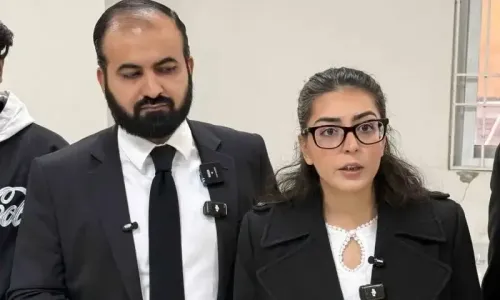
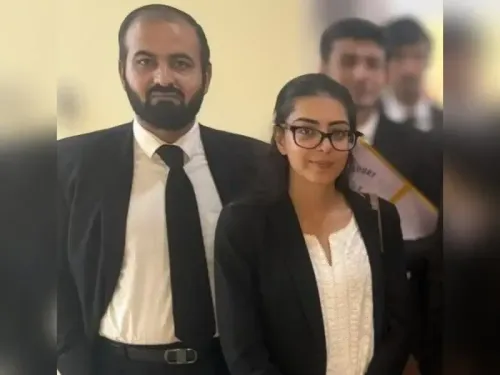
The recent sentencing of human rights attorneys Imaan Mazari and Hadi Ali Chattha in Pakistan has ignited global outrage and raised alarms about the suppression of dissent. This case highlights a critical moment for civil liberties in the country, emphasizing the risks faced by those defending human rights amid increasing state repression.
Key Takeaways
The sentencing of Imaan Mazari and Hadi Ali Chattha raises serious concerns about the suppression of dissent in Pakistan.
International condemnation highlights the need for legal and judicial reform.
Protests have erupted in response to their sentences, indicating widespread public concern.
The case exemplifies the risks faced by human rights defenders in Pakistan.
Legal advocacy is increasingly under threat from state authorities.
Islamabad, Feb 11 (NationPress) The conviction of human rights lawyers Imaan Mazari and Hadi Ali Chattha in Pakistan has drawn sharp criticism from the United Nations, various international legal organizations, and domestic human rights advocates, as reported.
Critics have cautioned that this case signifies a troubling increase in the suppression of dissent and legal advocacy within Pakistan. The couple was sentenced in January 2026 by a sessions court in Islamabad under the Prevention of Electronic Crimes Act (PECA) for social media posts that criticized state institutions, according to a report by Christian Daily International.
Human rights organizations and legal analysts have labeled the convictions as politically driven and described the trial as severely flawed, raising concerns about the diminishing civic space and judicial independence in the nation.
Each received multiple concurrent prison sentences that total 17 years, along with a hefty fine of 36 million Pakistani rupees (approximately $128,830) each.
The UN Human Rights Office (OHCHR) expressed being 'deeply disturbed' by the sentences, asserting that criminal penalties for peaceful expression violate Pakistan's obligations under international human rights law. The UN further warned that the country is employing cybercrime laws to stifle dissent and intimidate legal practitioners.
Similarly, the European Union raised concerns, emphasizing that the conviction undermines the essential principles of freedom of expression and the independence of the legal profession, which are crucial for upholding the rule of law. EU representatives urged Pakistan to uphold fair trial standards and shield lawyers from retribution for their professional activities.
Amnesty International has called for the immediate and unconditional release of Mazari and Chattha, labeling their detention as 'arbitrary' and part of a broader pattern of harassment against human rights defenders, according to the report in Christian Daily International.
A coalition of international legal organizations, including the International Commission of Jurists, Lawyers for Lawyers, and the International Bar Association’s Human Rights Institute, jointly condemned the couple's sentencing, warning that prosecuting lawyers for online speech sets a 'chilling precedent' for the entire legal community.
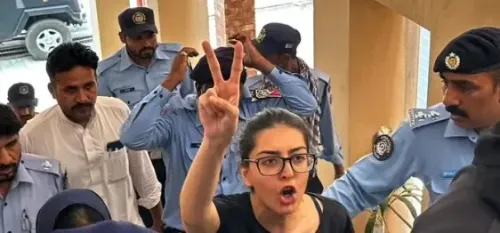
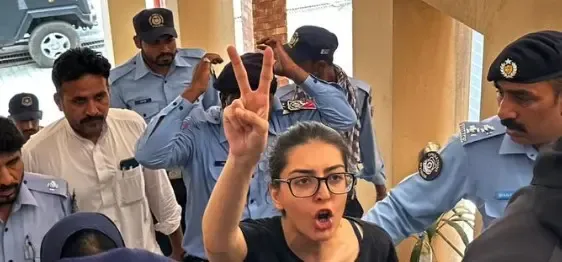
The sentencing has triggered protests across Pakistan, with the Human Rights Commission of Pakistan (HRCP) characterizing it as indicative of a rapidly deteriorating environment for activists and attorneys engaged in sensitive cases involving state authority, religion, or national security.
Reports indicate that Mazari and Chattha ventured beyond traditional defense work in several high-profile blasphemy cases. They publicly and in court exposed what they alleged was an organized 'blasphemy business group' that was fabricating false accusations for monetary gain, property confiscation, or personal vendettas. Court documents and legal submissions from cases they managed revealed recurring patterns of coordinated complainants, coerced confessions, and monetary extortion related to accusations.
The report from Christian Daily International noted, 'Christian and other human rights advocates assert that challenging these networks is exceedingly perilous in Pakistan, where blasphemy allegations have resulted in mob violence, assassinations, and lengthy prison terms. By confronting what they termed a systematic misuse of blasphemy laws, Mazari and Chattha have exposed themselves to significant personal, professional, and security risks, as stated by fellow attorneys and rights organizations.'
Point of View
I believe the sentencing of Imaan Mazari and Hadi Ali Chattha underscores the urgent need for protecting legal advocates and human rights defenders in Pakistan. It is imperative that we uphold the rule of law and ensure that our judiciary remains free from political influence, fostering an environment where dissent can be safely expressed.
NationPress
19 Sept 2026
Frequently Asked Questions
What were Imaan Mazari and Hadi Ali Chattha sentenced for?
They were sentenced under the Prevention of Electronic Crimes Act for social media posts critical of state institutions.
What is the response from international bodies?
The UN and the EU have condemned the sentencing, citing concerns over suppression of dissent and lack of judicial independence.
How long are their prison sentences?
Both attorneys received concurrent sentences totaling 17 years.
What impact does this case have on civil liberties in Pakistan?
This case highlights the deteriorating environment for dissent, raising alarms about the safety of human rights defenders and legal professionals.
What actions have been taken by human rights organizations?
Organizations like Amnesty International have called for their immediate release, labeling their arrest as arbitrary.