Is Pakistan’s Judicial System Under Pressure Due to a High-Profile Cybercrime Case?
Synopsis
The ongoing cybercrime trial in Pakistan, centering on prominent figures Iman Zainab Mazari and Hadi Ali Chattha, exposes severe flaws in the judicial system, characterized by chronic delays and preferential treatment. This case raises critical questions about the balance of civil rights and law enforcement amid a staggering backlog of unresolved cases.
Key Takeaways
Chronic delays plague Pakistan's judicial system.
High-profile defendants often receive preferential treatment .
The PECA law has been criticized for its vague provisions.
The case highlights the conflict between civil liberties and law enforcement.
Public perception of judicial fairness is at stake.
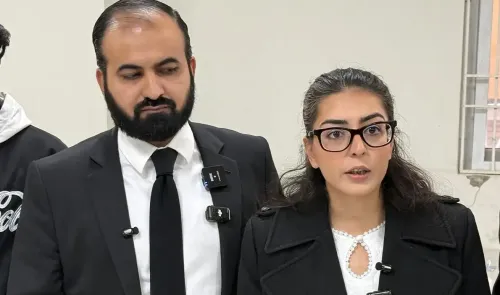
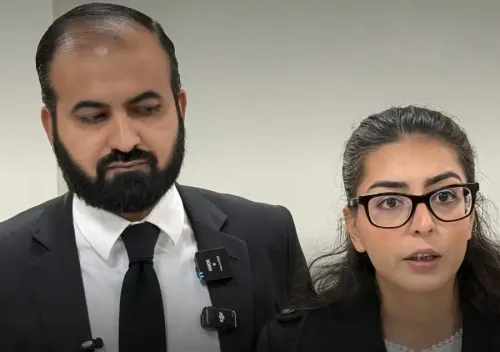
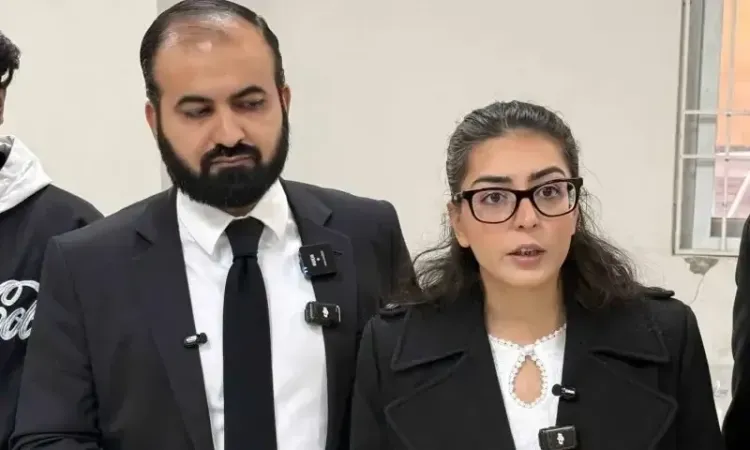
New Delhi, Jan 25 (NationPress) The judicial framework of Pakistan, which has been historically burdened by significant delays and an overwhelming backlog exceeding 2.4 million unresolved cases according to the Law and Justice Commission, is currently under severe examination due to a notable cybercrime trial involving human rights attorney Iman Zainab Mazari and political activist Hadi Ali Chattha.
The proceedings, which commenced in August 2025 under the Prevention of Electronic Crimes Act (PECA), illustrate the conflicts surrounding judicial power, procedural integrity, and selective enforcement.
The National Cyber Crime Investigation Agency (NCCIA) filed a First Information Report (FIR) on August 22, 2025, charging the defendants with various offenses, including cyber terrorism, hate speech, and the distribution of unlawful content through social media posts allegedly endorsing banned organizations and inciting ethnic discord, as noted by a report from Eurasia Review.
In contrast to numerous PECA cases that result in prompt arrests, the accused initially evaded detention despite the serious nature of the allegations. They were granted pre-arrest bail shortly after, and by September, achieved complete protection from arrest.
Nonetheless, their later failure to comply—missing court dates and openly criticizing the judiciary—led to the issuance of non-bailable warrants. These warrants were consistently rescinded upon their appearance or following shifts in legal representation, a trend critics label as preferential treatment seldom afforded to ordinary defendants, as reported.
Judicial records indicate that 44 hearing days unfolded over four months, with frequent postponements attributed to reasons such as changes in counsel, constitutional objections, and unverified health claims.
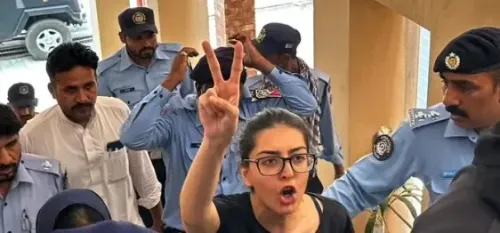
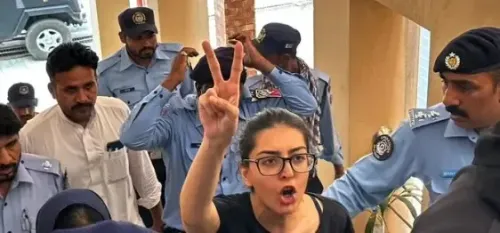
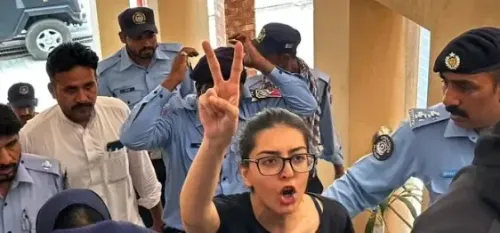
Disruptive actions, including courtroom exits and allegations against the overseeing judge, resulted in additional delays and temporary warrant issues, only to have relief quickly reinstated.
Prosecutors contend that the defense is deliberately prolonging proceedings to exhaust the system and politicize a standard legal matter.
Appeals for exemptions, including dubious medical assertions, contributed to perceptions of strategic brinkmanship. Higher courts, such as the Islamabad High Court and Supreme Court, intervened on numerous occasions, issuing unusual orders to facilitate progress, thereby spotlighting larger systemic challenges.
While high-profile individuals enjoy extended leniency, less notable defendants in analogous cybercrime or anti-terrorism cases frequently confront immediate detention for procedural infractions.
Digital rights organizations, including the Digital Rights Foundation, criticize PECA for its ambiguous clauses and overreach, yet emphasize that due process necessitates participation in court rather than evasion.
The fundamental claims—specific posts allegedly connected to outlawed groups—remain unchallenged through comprehensive cross-examination and legal adjudication.
As a senior attorney pointed out, if the speech is lawful, the courtroom is the suitable forum for its validation. The trial transcends the individuals involved, revealing a critical conflict: balancing civil liberties against law enforcement demands in politically sensitive issues. Five months into the process, the proceedings evoke profound questions concerning the capacity of trial courts to manage resistant high-profile defendants.
Extraordinary tolerance may jeopardize judicial authority, especially when faced with persistent defiance. The public anticipates judges to uphold independence from external influences while enforcing courtroom decorum.
Point of View
I believe this unfolding trial not only highlights challenges within Pakistan's judicial system but also underscores the necessity for reform. The juxtaposition of treatment for high-profile defendants versus ordinary citizens raises critical questions about fairness and justice that cannot be overlooked.
NationPress
13 Oct 2026
Frequently Asked Questions
What is the current state of Pakistan's judicial system?
Pakistan's judicial system is currently facing significant challenges, with over 2.4 million cases pending and a reputation for chronic delays.
Who are the key figures involved in the cybercrime trial?
The key figures in the trial are human rights lawyer Iman Zainab Mazari and political activist Hadi Ali Chattha.
What allegations are being made against Mazari and Chattha?
They are accused of cyber terrorism, hate speech, and distributing illegal content related to social media posts.
How has the court responded to the defendants' actions?
The court has issued non-bailable warrants due to their non-compliance but has often rescinded them, leading to accusations of preferential treatment.
What are the broader implications of this trial?
This trial raises important questions about civil liberties, judicial integrity, and the balance of power in a politically charged environment.