Pakistan rights body condemns arrest of journalist Razi Tahir, warns of press freedom threat
Synopsis
Pakistan's Human Rights Council has condemned the arrest of senior journalist Razi Tahir under the Prevention of Electronic Crimes Act and the cancellation of his bail — the latest flashpoint in a deepening press freedom crisis. With journalists already branding PECA amendments a 'draconian black law' and the Islamabad Declaration demanding constitutional review, the case is fast becoming a litmus test for Pakistan's judiciary and government.
Key Takeaways
The Human Rights Council (HRC) of Pakistan condemned the reported arrest of journalist Razi Tahir on 23 June .
A Pakistani court reportedly rejected Tahir's bail plea and ordered his arrest under the Prevention of Electronic Crimes Act (PECA) ; critics called it a ‘fabricated case.’ The HRC called on the Government of Pakistan and the superior judiciary to ensure transparency and adherence to international human rights principles.
Last month, journalists at the National Journalists Convention branded PECA 2016 amendments a ‘draconian black law’ engineered to suppress the press.
The Islamabad Declaration demanded Parliament review all media laws contrary to Article 19 of Pakistan's Constitution.
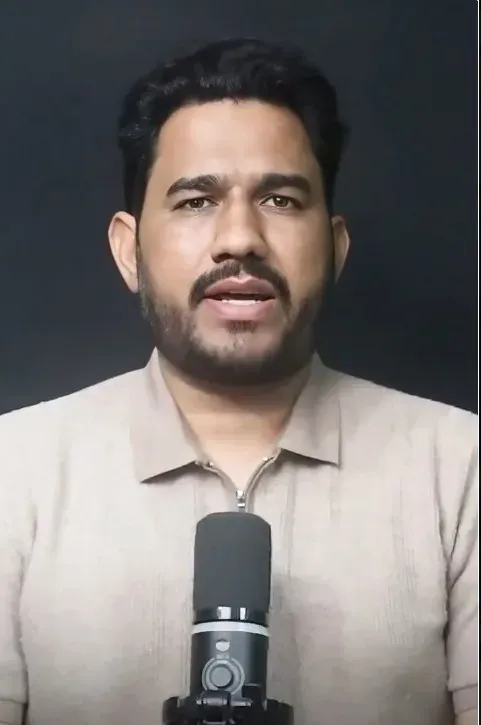
The Human Rights Council (HRC) of Pakistan on Tuesday, 23 June strongly condemned the reported arrest of senior journalist Razi Tahir and the cancellation of his bail, warning that such actions constitute a direct assault on media freedom in Pakistan. The condemnation followed reports that a Pakistani court rejected Tahir's bail plea and ordered his arrest under the country's Prevention of Electronic Crimes Act (PECA), which critics have described as a “fabricated case.”
What the Rights Body Said
The HRC issued a strongly worded statement invoking constitutional guarantees, saying: “The Constitution of Pakistan guarantees every citizen, particularly the journalistic community, freedom of expression and full legal protection, the respect for which is obligatory on all institutions of the state.”
The Council added that “harassing and targeting any journalist in retaliation for their professional duties, raising the voice of truth, or protecting sources of information is a direct assault on established democratic values and freedom of the press.”
Key Demands from the HRC
The rights body called on the Government of Pakistan, relevant authorities, and the superior judiciary to ensure transparency in judicial proceedings, uniform application of the law, and adherence to international human rights principles in handling Tahir's case. It urged that “this sensitive matter must be urgently and impartially reviewed so that the rule of law in the country can be ensured and every attempt to throttle freedom of the press can be effectively countered.”
Wider Crackdown on Pakistani Media
This incident is not isolated. Last month, journalists across Pakistan urged Parliament to review all media laws, denouncing recent amendments to PECA 2016 as a “draconian black law, specifically engineered to facilitate the arm-twisting of journalists and the suppression of Pakistan’s media landscape.”
The criticism emerged from the National Journalists Convention on ‘Media Laws, Regulations, and Ethics’, jointly organised by the Pakistan Federal Union of Journalists (PFUJ) and the Rawalpindi-Islamabad Union of Journalists (RIUJ). The convention concluded with the Islamabad Declaration, which demanded that Parliament review all media laws contrary to Article 19 of the Constitution and slammed what journalists called a “violation of the government’s solemn promise that these laws would never be weaponised against the press.”
Context: PECA and Press Suppression Concerns
PECA, originally enacted in 2016, has been repeatedly criticised by press freedom groups as a tool to silence dissent and investigative journalism. Its amendments have drawn particular scrutiny for broadening the scope of offences in ways that critics argue disproportionately target journalists. The Tahir case is being seen by rights advocates as emblematic of a broader pattern of using legal mechanisms to intimidate the press in Pakistan.
What Happens Next
The HRC's call for an urgent and impartial review puts pressure on Pakistan's superior judiciary to act transparently. Press freedom organisations are expected to escalate international attention on the case. With the Islamabad Declaration now on record, the PFUJ and allied unions are likely to mount sustained legislative pressure on Parliament in the weeks ahead.
Point of View
Not just international observers. The Islamabad Declaration signals that the journalist community has moved from protest to a formal constitutional challenge. The real question is whether Pakistan's superior judiciary — itself under political pressure — will treat this as an opportunity to assert independence or defer to executive interest, as it has in several recent high-profile cases.
NationPress
22 Sept 2026
Frequently Asked Questions
Who is Razi Tahir and why was he arrested?
Razi Tahir is a senior Pakistani journalist who was reportedly arrested after a court rejected his bail plea in a case filed under the Prevention of Electronic Crimes Act (PECA). Critics, including the Human Rights Council of Pakistan, have described the case as fabricated and an act of retaliation for his journalistic work.
What is PECA and why is it controversial?
The Prevention of Electronic Crimes Act (PECA) was enacted in Pakistan in 2016 and has since been amended multiple times. Critics and press freedom groups argue that its provisions are being used to criminalise journalism, with recent amendments described by journalists as a 'draconian black law' designed to suppress media freedom rather than address genuine cybercrime.
What did the Human Rights Council of Pakistan demand?
The HRC called on the Government of Pakistan, relevant authorities, and the superior judiciary to ensure transparency in judicial proceedings, uniform application of the law, and adherence to international human rights principles in Razi Tahir's case. It also urged an urgent and impartial review of the matter.
What is the Islamabad Declaration?
The Islamabad Declaration is a statement issued at the conclusion of the National Journalists Convention on 'Media Laws, Regulations, and Ethics', organised by the PFUJ and RIUJ. It demands that Parliament review all media laws contrary to Article 19 of Pakistan's Constitution and condemns what journalists called the government's weaponisation of laws it had promised would never be used against the press.
How does this case fit into Pakistan's broader press freedom situation?
The Tahir arrest is part of a wider pattern of legal actions against journalists in Pakistan under PECA. Rights advocates say such cases represent a systemic effort to intimidate the press, and the Islamabad Declaration signals that journalists are now formally challenging these laws at the legislative level.