10.7 million women and girls need aid in Afghanistan: OCHA 2026
Synopsis
OCHA's latest Afghanistan report puts a number to a crisis that is simultaneously a gender emergency and a healthcare collapse: 10.7 million women and girls need aid, maternal mortality sits at 638 per 100,000 live births, and restrictions on girls' education are eroding the very pipeline of female health workers the country desperately needs — with UNICEF projecting a loss of 25,000 by 2030.
Key Takeaways
OCHA reports that more than 10.7 million women and girls in Afghanistan need humanitarian assistance in 2026 .
Afghanistan's maternal mortality rate stands at an estimated 638 deaths per 100,000 live births in 2024 , among the highest globally.
Restrictions on girls' education threaten the future supply of female health workers; UNICEF projects a loss of over 25,000 female teachers and health workers by 2030 .
16 million people in Afghanistan will need access to clean water and sanitation in 2026 , per a separate OCHA update from June.
Funding cuts are limiting humanitarian agencies' ability to expand water, sanitation, and health services across the country.
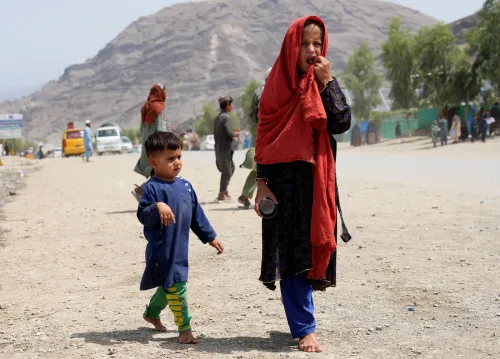
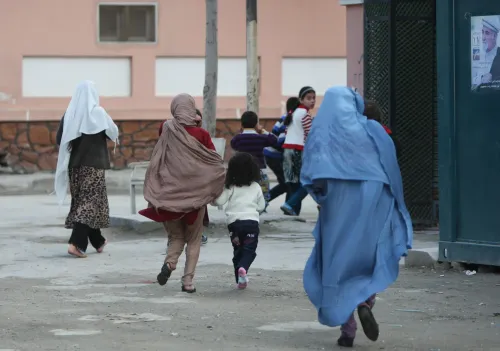
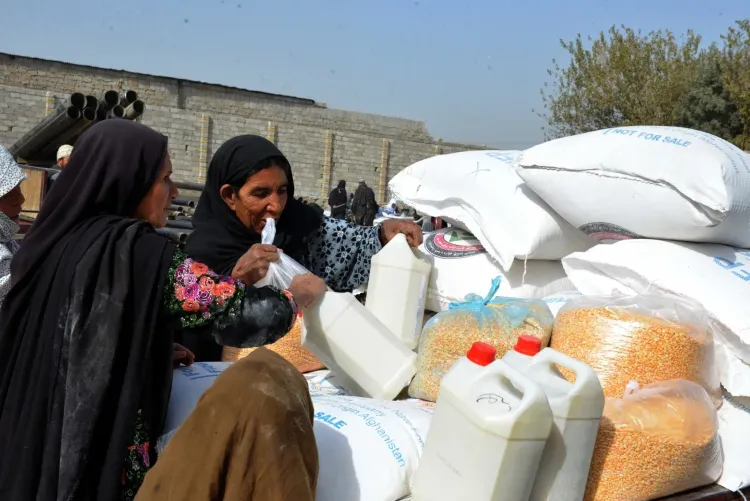
More than 10.7 million women and girls in Afghanistan require humanitarian assistance in 2026, according to a report released on Tuesday by the United Nations Office for the Coordination of Humanitarian Affairs (OCHA). The agency warned that women and girls remain among the most acutely affected by Afghanistan's deepening humanitarian crisis, as sweeping restrictions on their movement, education, and employment continue to block access to essential services.
Scale of the Crisis
OCHA's latest Afghanistan update flags that gender-based restrictions are not merely a rights issue — they are compounding protection risks and entrenching existing vulnerabilities across the country. Afghanistan already records one of the world's highest maternal mortality rates, with an estimated 638 maternal deaths per 100,000 live births in 2024. That figure places it among the most dangerous countries in the world to give birth.
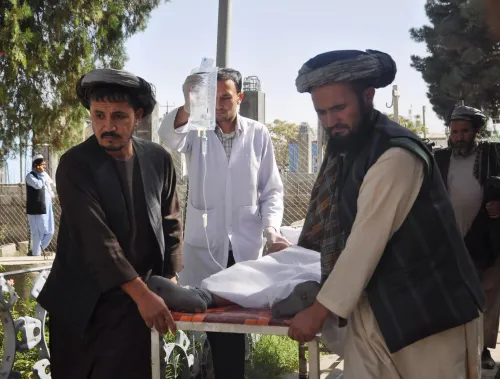
The health sector is under severe strain. A shortage of women health workers, significant funding reductions, limited availability of essential medicines, and critical gaps in emergency obstetric care are collectively driving preventable maternal and neonatal deaths — particularly in rural areas where healthcare access is already minimal.
Education Restrictions Threaten Future Healthcare
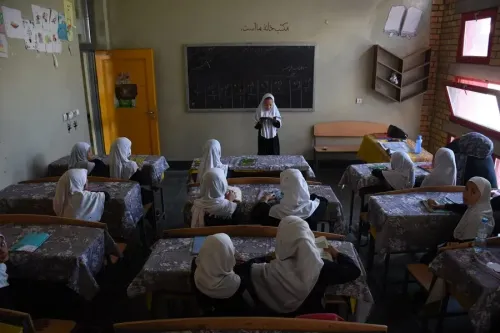
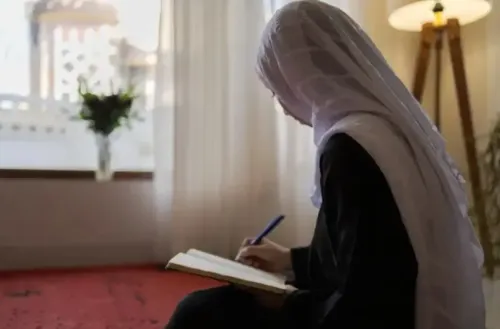
OCHA has specifically flagged that the ongoing ban on girls' education is creating a structural threat to Afghanistan's healthcare pipeline. With fewer girls able to train as doctors, nurses, or midwives, the country faces a compounding shortage of female health professionals in the years ahead.
According to UNICEF estimates, Afghanistan could lose more than 25,000 female teachers and health workers by 2030 if current restrictions remain in place. The loss would further erode a health system already struggling to cope with demand.
Water, Sanitation and Broader Humanitarian Pressures
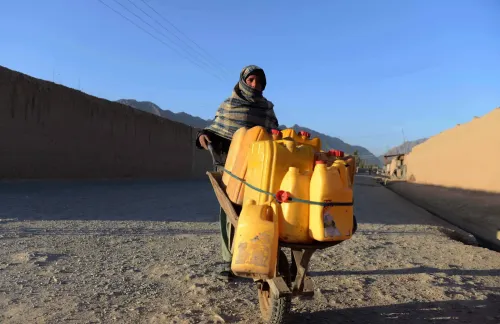
The crisis extends well beyond gender-specific concerns. In a separate update issued in June, OCHA reported that 16 million people in Afghanistan will need access to clean water and sanitation services in 2026. Water scarcity is exposing children to heightened health risks and forcing communities to adopt increasingly desperate coping mechanisms.
Afghanistan has faced recurring droughts, inadequate water-management infrastructure, and entrenched poverty over decades. Humanitarian agencies warn that climate-related shocks are intensifying pressure on already fragile communities. Reduced international funding has further constrained the ability of aid organisations to expand water, sanitation, and hygiene services across affected areas.
Aid Funding Cuts Deepen the Emergency
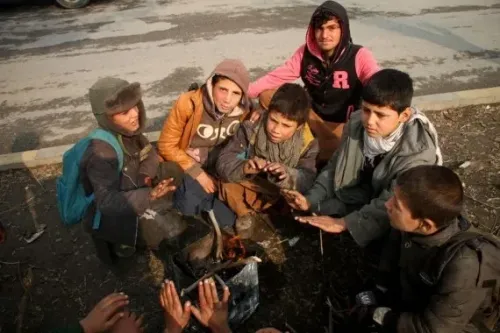
OCHA's findings come as Afghanistan grapples with a confluence of economic difficulties, food insecurity, and a marked decline in international aid. Aid organisations have said that funding reductions are directly limiting the reach of humanitarian programmes — preventing agencies from scaling up interventions precisely when needs are at their most acute.
With restrictions on women showing no signs of easing, and international funding under pressure, the gap between humanitarian need and available response capacity in Afghanistan is widening. How the international community responds in the months ahead will determine whether millions of women, girls, and children receive even the most basic assistance.
Point of View
Shrinking the pool of female doctors and midwives that Afghan women disproportionately depend on. A maternal mortality rate of 638 per 100,000 live births in 2024 is not a statistic — it is a policy outcome. The international community's simultaneous retreat on aid funding means fewer resources are available at precisely the moment the need is greatest. Without a reversal on both fronts, the 2026 figures will be a floor, not a ceiling.
NationPress
13 Oct 2026
Frequently Asked Questions
How many women and girls need humanitarian assistance in Afghanistan in 2026?
According to OCHA, more than 10.7 million women and girls in Afghanistan require humanitarian assistance in 2026. They are among the most severely affected by the country's ongoing crisis, facing compounding restrictions on movement, education, and employment.
What is Afghanistan's maternal mortality rate?
Afghanistan recorded an estimated 638 maternal deaths per 100,000 live births in 2024, placing it among the countries with the highest maternal mortality rates in the world. Shortages of women health workers and gaps in emergency obstetric care are key contributing factors.
How are education restrictions affecting Afghanistan's healthcare system?
Bans on girls' education are cutting off the pipeline of future female doctors, nurses, and midwives. UNICEF estimates that Afghanistan could lose more than 25,000 female teachers and health workers by 2030 if current restrictions continue, further weakening an already strained health sector.
How many people in Afghanistan face a water and sanitation crisis?
OCHA reported in June that 16 million people in Afghanistan will need access to clean water and sanitation services in 2026. Recurring droughts, inadequate infrastructure, and reduced aid funding have made safe drinking water a critical humanitarian challenge.
Why is international aid to Afghanistan declining?
Reduced international funding has constrained humanitarian agencies' capacity to expand essential services in Afghanistan. Aid organisations say the cuts are preventing them from scaling up water, sanitation, health, and protection programmes at a time when needs are at their most acute.