Afghanistan maternal mortality: One mother dies every hour, WHO warns
Synopsis
Afghanistan's maternal mortality rate of 521 deaths per 100,000 live births remains one of the world's worst — and the WHO says one mother dies every hour from preventable causes. With UNICEF warning of a looming collapse in female healthcare workers by 2030, the crisis is set to deepen unless Taliban restrictions on women are reversed.
Key Takeaways
WHO warns one mother dies every hour in Afghanistan from preventable complications, on 6 May 2025 .
Maternal mortality rate stands at 521 deaths per 100,000 live births — among the world's highest.
Deaths are linked to treatable conditions: haemorrhage, hypertension, infection , and obstructed labour.
Despite progress — antenatal coverage up from 31% to 76% — rural women remain most at risk.
UNICEF warns Afghanistan could lose 20,000 women teachers and 5,400 healthcare workers by 2030 .
Restrictions on women's work and education already cost Afghanistan US$84 million annually in lost output.
A mother dies from preventable complications every hour in Afghanistan, the World Health Organisation (WHO) has warned, highlighting a health system that continues to fail women during pregnancy and childbirth. The alert was issued on 6 May, coinciding with the International Day of the Midwife, and was reported by Afghanistan's Amu TV.
Scale of the Crisis
According to the WHO, Afghanistan's maternal mortality rate stands at 521 deaths per 100,000 live births — among the highest in the world. The agency noted that many of these deaths are caused by conditions that are treatable or preventable, including haemorrhage, hypertension, infection, and obstructed labour. For women who survive such complications, the consequences are often severe and long-lasting.
One of the gravest complications flagged by the WHO is obstetric fistula, a condition primarily caused by prolonged obstructed labour that can result in serious medical problems and deep social stigma. The agency noted the condition remains significantly underreported, as many women lack access to specialised care or are unaware that treatment exists.
Progress Made, Gaps Remain
The WHO acknowledged measurable gains over the past two decades. Antenatal care coverage has risen from 31% to 76%, and the share of births attended by skilled health workers has climbed from 24% to 67% since the late 2000s. Child mortality has also dropped sharply, from 129 deaths per 1,000 live births in 2000 to 56 in 2023.
However, the WHO cautioned that women in rural and underserved areas continue to face the greatest risks, and that systemic gaps persist despite the headline improvements. This comes amid a broader deterioration in women's rights and access to services under Taliban governance.
WHO's Response on the Ground
To address these challenges, the WHO said it is scaling up maternal and child health services in Afghanistan with financial support from the Islamic Development Bank. The agency did not specify the total outlay or timeline for the expansion.
UNICEF's Warning on Women Workers
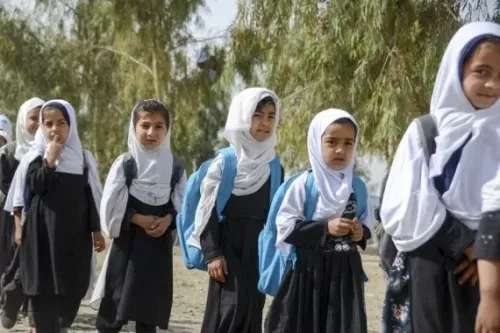
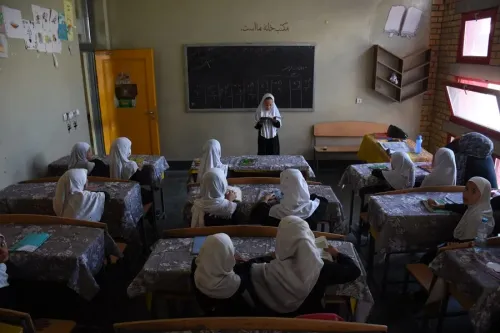
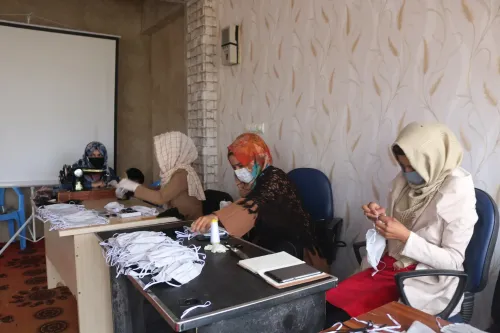
The WHO's alert follows a stark warning last month from the United Nations International Children's Emergency Fund (UNICEF), which cautioned that Afghanistan risks losing up to 20,000 women teachers and 5,400 healthcare workers by 2030 due to continuing restrictions on girls' education and women's employment.
In its analysis titled
Point of View
Employment, and public life. The gains of the past two decades in antenatal coverage and skilled birth attendance are now being eroded in real time. UNICEF's projection of losing 5,400 female healthcare workers by 2030 is particularly alarming given that cultural norms prevent many Afghan women from seeking care from male providers — meaning fewer female health workers translates almost directly into more maternal deaths. The international community's focus on service delivery funding, while necessary, sidesteps the structural driver: Taliban policy.
NationPress
22 Sept 2026
Frequently Asked Questions
What is Afghanistan's maternal mortality rate according to the WHO?
Afghanistan's maternal mortality rate stands at 521 deaths per 100,000 live births, according to the WHO — one of the highest in the world. The agency estimates that one mother dies every hour from preventable complications such as haemorrhage, hypertension, and obstructed labour.
What progress has Afghanistan made in maternal health?
Antenatal care coverage has risen from 31% to 76%, and skilled birth attendance has increased from 24% to 67% since the late 2000s. Child mortality has also fallen from 129 to 56 deaths per 1,000 live births between 2000 and 2023.
What is obstetric fistula and why is it a concern in Afghanistan?
Obstetric fistula is a serious condition caused mainly by prolonged obstructed labour, leading to medical complications and social stigma. The WHO says it remains underreported in Afghanistan because many women lack access to specialised care or are unaware it can be treated.
What has UNICEF warned about Afghanistan's female workforce?
UNICEF warned last month that Afghanistan risks losing up to 20,000 women teachers and 5,400 healthcare workers by 2030 due to restrictions on girls' education and women's employment. It estimates these restrictions already cost the country US$84 million annually in lost economic output.
What is the WHO doing to address the maternal health crisis in Afghanistan?
The WHO is scaling up maternal and child health services in Afghanistan with support from the Islamic Development Bank. Specific funding amounts and timelines have not been publicly disclosed.