UNICEF: Afghanistan may lose 25,000 female teachers, health workers by 2030
Synopsis
UNICEF's new analysis lays bare the compounding human cost of Afghanistan's education ban: up to 25,000 trained female professionals — teachers and health workers — could vanish from the workforce by 2030, leaving behind a generation of girls with no one qualified to teach or treat them. The $84 million annual economic loss is just the beginning.
Key Takeaways
UNICEF warns Afghanistan could lose up to 20,000 women teachers and 5,400 healthcare workers by 2030 .
Female civil service representation fell from 21% to 17.7% between 2023 and 2025 .
Female teachers in basic education dropped over 9% — from 73,000 in 2022 to 66,000 in 2024 .
Restrictions already cost Afghanistan US$84 million annually in lost economic output.
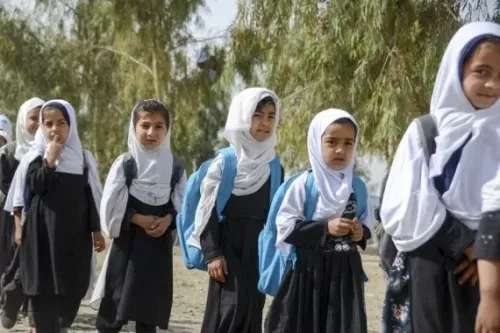
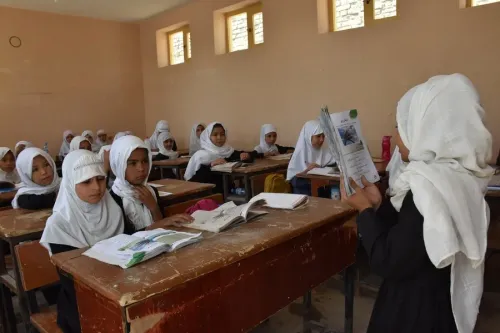
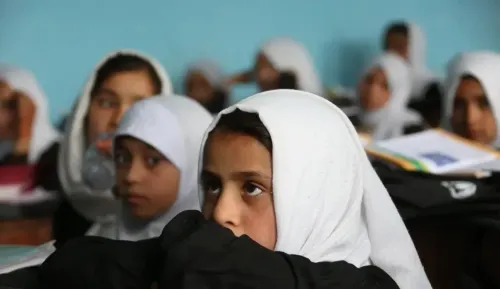
Since the September 2021 ban, one million girls have been denied secondary education; if the ban persists to 2030, over two million more will be affected.
UNICEF Executive Director Catherine Russell urged the Taliban to lift the secondary education ban immediately.
UNICEF on Tuesday, 28 April 2025, warned that Afghanistan risks losing up to 20,000 women teachers and 5,400 healthcare workers by 2030, as the Taliban's sweeping restrictions on girls' education and women's employment continue to hollow out the country's professional workforce. The warning was issued in a new analysis titled "The Cost of Inaction on Girls' Education and Women's Labour Force Participation in Afghanistan."
Key Findings of the UNICEF Analysis
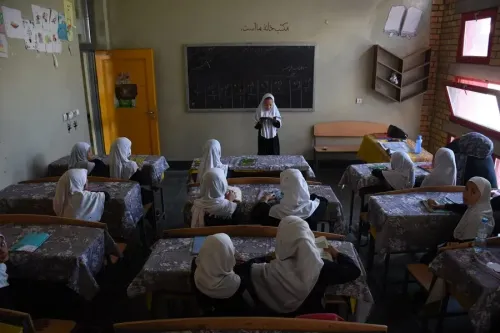
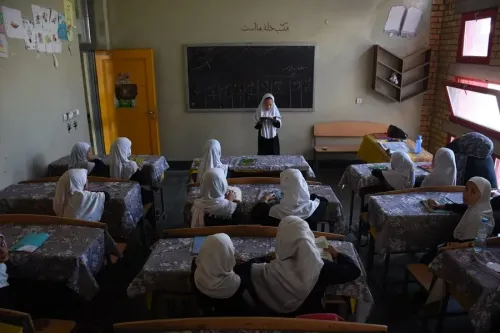
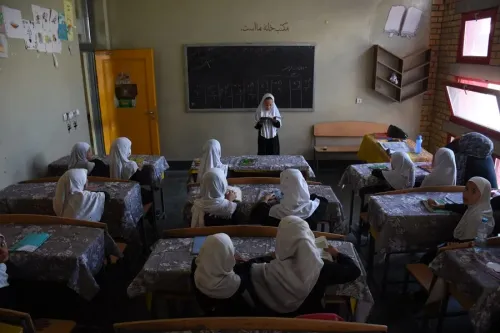
According to the UN agency, female representation in Afghanistan's civil services has already fallen from 21 per cent to 17.7 per cent between 2023 and 2025. The number of female teachers in basic education has declined by over 9 per cent — from nearly 73,000 in 2022 to around 66,000 in 2024. UNICEF cautioned that the declining pool of trained women professionals in schools and hospitals would have "devastating consequences" for children's education, health outcomes, and future opportunities.
The analysis further warned that if the ban on girls' secondary education persists until 2030, more than two million girls in Afghanistan will be deprived of their right to education beyond primary school.
The Economic and Social Cost
UNICEF stated that restrictions on girls' and women's education and work are already costing Afghanistan US$84 million annually in lost economic output, with losses compounding over time as women remain blocked from education and employment. The agency described Afghanistan as facing a "dual crisis" — the loss of trained female professionals currently in the workforce, and the structural inability of the next generation to replace them as experienced women retire or leave.
"Each year of delay costs Afghanistan another generation of skilled professionals," UNICEF noted, underlining the compounding nature of the crisis.
Healthcare Sector Under Severe Strain
The impact is described as particularly acute in the healthcare sector, where societal norms in Afghanistan frequently prevent women from receiving medical services from male practitioners. The declining number of female health workers, UNICEF warned, will directly limit maternal, newborn, and child health services — services that are already stretched thin across the country.
Removing women from teaching and healthcare — two of the few sectors where they are still permitted to work — directly harms children, the agency stressed, leading to fewer girls in schools and reduced care for women and children.
UNICEF's Call to Action
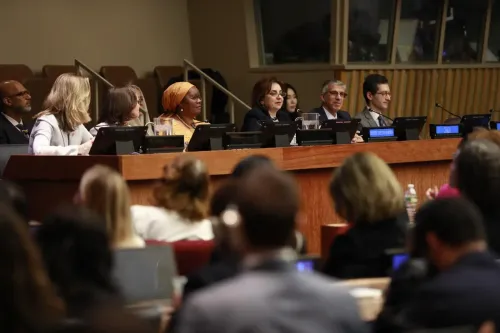
UNICEF Executive Director Catherine Russell issued a direct appeal to Afghanistan's de facto authorities. "Afghanistan cannot afford to lose future teachers, nurses, doctors, midwives, and social workers, who sustain essential services. This will be the reality if girls continue to be excluded from education," she said.
Russell added: "We urge the de facto authorities to lift the ban on secondary education for girls and call on the international community to remain committed to supporting girls' rights to learn."
Since the Afghan Taliban barred girls from secondary education in September 2021, UNICEF said that one million girls have been denied their right to learn in a country that already has one of the lowest female literacy rates in the world. With no reversal of policy in sight, the agency's projections suggest the human and economic toll will only deepen in the years ahead.
Point of View
Given that cultural norms bar millions of women from seeing male doctors. The 9 per cent drop in female teachers since 2022 is not an abstraction; it is a measurable erosion of state capacity happening in real time. What mainstream coverage underplays is the irreversibility of this trajectory: once a generation of girls is locked out of secondary education, the pipeline of doctors, midwives, and teachers collapses for decades, not years. The Taliban's de facto authorities are, in effect, dismantling the human capital base of the very state they now govern.
NationPress
26 Sept 2026
Frequently Asked Questions
How many female teachers and healthcare workers could Afghanistan lose by 2030?
According to UNICEF, Afghanistan risks losing up to 20,000 women teachers and 5,400 healthcare workers by 2030 if current restrictions on girls' education and women's employment continue. This would represent a severe erosion of the country's essential service workforce.
How much is Afghanistan losing economically due to restrictions on women's education and work?
UNICEF estimates that restrictions on girls' and women's education and employment are already costing Afghanistan US$84 million annually in lost economic output, with losses expected to compound as long as the bans remain in place.
When did the Taliban ban girls from secondary education in Afghanistan?
The Afghan Taliban banned girls from secondary education in September 2021, shortly after retaking control of the country. Since then, UNICEF says one million girls have been denied their right to learn.
Why is the loss of female healthcare workers particularly dangerous in Afghanistan?
In Afghanistan, societal and cultural norms frequently prevent women from receiving medical care from male practitioners. A decline in female health workers therefore directly threatens maternal, newborn, and child health services, leaving millions of women and children without adequate care.
What is UNICEF calling on the Taliban and international community to do?
UNICEF Executive Director Catherine Russell has urged Afghanistan's de facto authorities to lift the ban on secondary education for girls. She has also called on the international community to remain committed to supporting girls' rights to education in Afghanistan.