3.8 million girls out of school in Afghanistan, UN warns of lost generation
Synopsis
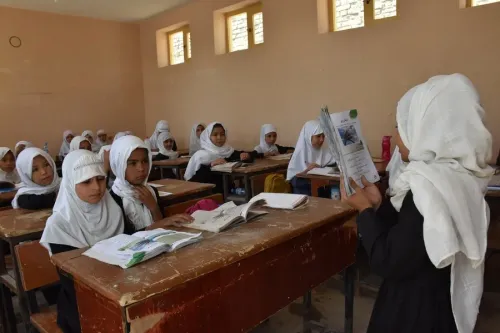
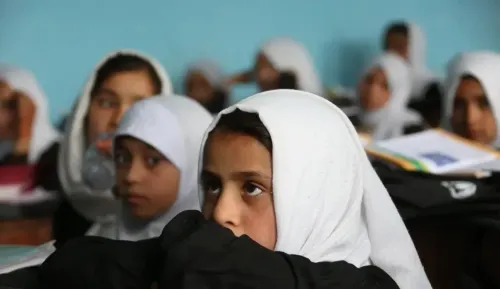
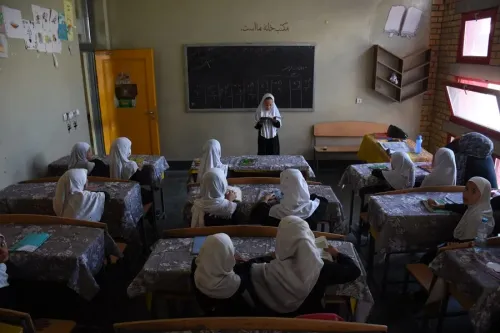
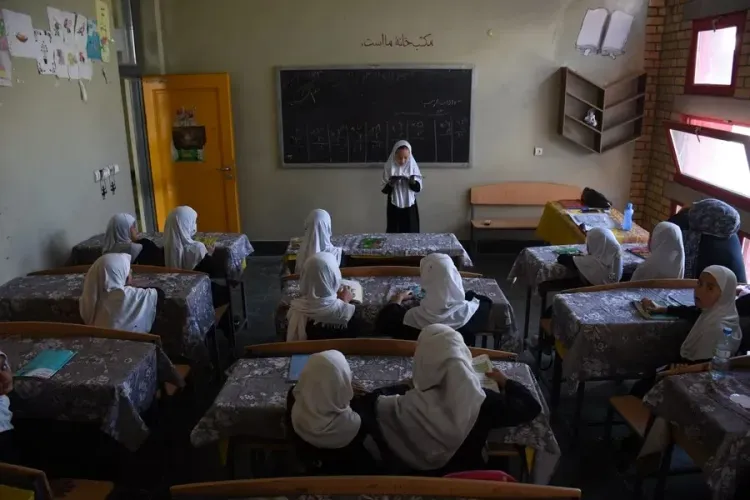
The UN told the Security Council that 3.8 million Afghan girls remain locked out of education — and 250,000 more are added to that number every year. With the fifth consecutive academic year beginning without girls above sixth grade, and university entrance exams held without female candidates for the fourth straight year, the Taliban's education ban is no longer an emergency — it is a structural reality reshaping an entire generation.
Key Takeaways
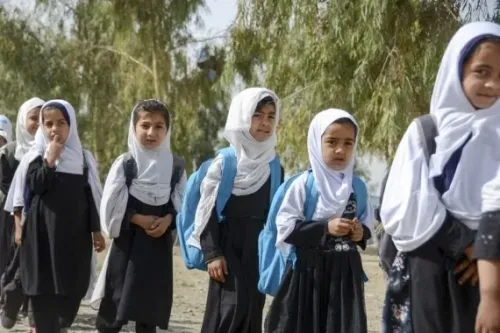
An estimated 3.8 million girls aged 7–18 remain out of school in Afghanistan , according to UNAMA .
Over 2.6 million adolescent girls are specifically banned from secondary education; 250,000 more are excluded each year.
21.9 million Afghans will need humanitarian aid in 2026 , with 4.7 million at risk of acute food insecurity and 3.7 million children facing acute malnutrition.
The 2025 academic year marked the fifth consecutive year girls above sixth grade were absent from classrooms.
The Kankor university entrance exam was held in Kabul on 4 June 2025 without female candidates for the fourth straight year .
Up to 2.8 million Afghans are expected to return from neighbouring countries in 2026 , intensifying pressure on public services.
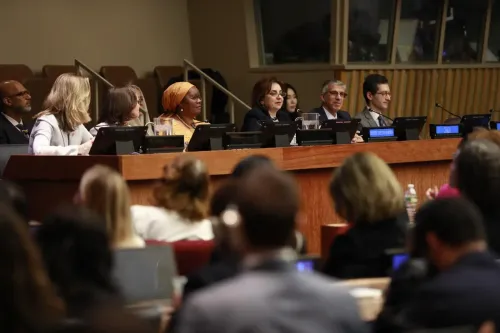
The United Nations has warned that Afghanistan risks producing a 'lost generation' as an estimated 3.8 million girls aged between 7 and 18 years remain barred from education under Taliban restrictions, according to a statement delivered to the UN Security Council on Monday, 9 June 2025. The warning underscores the deepening humanitarian and developmental crisis gripping the country more than three years after the Taliban's return to power.
Key Figures Presented to the Security Council
Acting head of the UN Assistance Mission in Afghanistan (UNAMA), Georgette Gagnon, told the Security Council that of the 3.8 million out-of-school girls, over 2.6 million are adolescent girls specifically banned from secondary education. She added that approximately 250,000 additional girls are excluded from secondary schooling every year, compounding an already acute crisis.
Gagnon stated that continued restrictions on women and girls 'have a long-term impact on Afghanistan's social and economic development.' She also noted that Afghanistan has shown limited signs of economic stabilisation, with little growth, though revenue collection has marginally improved.
Humanitarian Crisis Deepens
Director of Crisis Response at the UN Office for the Coordination of Humanitarian Affairs (OCHA), Edem Wosornu, told the Council that around 21.9 million people will require humanitarian assistance in 2026. Of these, 4.7 million are at risk of acute food insecurity, and 3.7 million children are facing acute malnutrition. Wosornu flagged that humanitarian operations are being hampered by severe funding shortages.
Compounding the strain, up to 2.8 million Afghans are expected to return from neighbouring countries in 2026, placing additional pressure on a population already grappling with unemployment, poverty, and limited public services.
Five Consecutive Years Without Girls in Classrooms
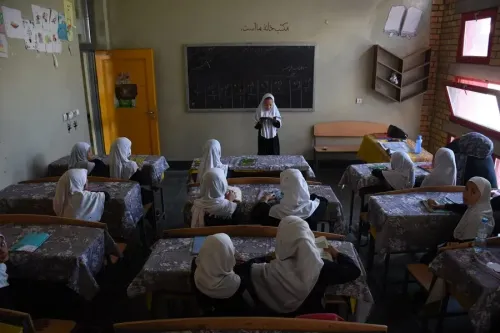
Since seizing power in 2021, the Taliban has systematically restricted Afghan women and girls — banning girls from secondary schools beyond the sixth grade, barring women from universities, and limiting their access to employment and public spaces.
The new academic year that began in March 2025 marked the fifth consecutive year in which girls above sixth grade did not return to classrooms. On 4 June 2025, the third round of university entrance examinations — known as the Kankor — commenced at Kabul University for the fourth consecutive year without female participation. The Taliban-run National Examination Authority conducted the exams for 12th-grade graduates from Kabul province.
Rahimullah Haqqani, administrative and technical deputy head of the National Examination Authority, said over 110,000 candidates appeared across the first three rounds of the examinations.
What Comes Next
The UN's repeated warnings have yet to produce a policy reversal from the Taliban, which has shown no indication of lifting the bans. With funding shortfalls threatening humanitarian operations and a large returnee influx expected in 2026, the window for preventing a full generational setback is narrowing. International pressure at the Security Council level remains the primary — if so far insufficient — lever available to the international community.
Point of View
But no enforcement mechanism. The Taliban has demonstrated it can absorb international condemnation without conceding on education. What the numbers make clear is that this is no longer a crisis that can be reversed quickly: five years of secondary school denial means an entire cohort of Afghan women has been structurally excluded from higher education and formal employment, with compounding effects on household incomes, child marriage rates, and maternal health that will persist for decades. The funding shortfall flagged by OCHA makes the situation worse — it means even the humanitarian floor is cracking while the political ceiling remains sealed.
NationPress
24 Sept 2026
Frequently Asked Questions
How many girls are out of school in Afghanistan?
According to UNAMA, approximately 3.8 million girls aged between 7 and 18 remain out of school in Afghanistan. Of these, over 2.6 million are adolescent girls banned from secondary education, and around 250,000 additional girls are excluded each year.
Why are girls banned from school in Afghanistan?
Since the Taliban seized power in Afghanistan in 2021, it has imposed restrictions barring girls from attending school beyond the sixth grade and banning women from universities. The Taliban has also restricted women's access to employment and public spaces.
What did the UN say about Afghanistan at the Security Council?
Acting UNAMA head Georgette Gagnon warned the UN Security Council on 9 June 2025 that Afghanistan risks creating a 'lost generation.' She cited 3.8 million out-of-school girls and said restrictions on women and girls have long-term consequences for Afghanistan's social and economic development.
What is the humanitarian situation in Afghanistan in 2026?
The UN projects that 21.9 million Afghans will need humanitarian assistance in 2026. Around 4.7 million face acute food insecurity and 3.7 million children are experiencing acute malnutrition. Humanitarian operations are additionally constrained by funding shortages.
What is the Kankor exam and why does it matter?
The Kankor is Afghanistan's national university entrance examination. On 4 June 2025, the third round of the Kankor was held at Kabul University for the fourth consecutive year without female candidates, reflecting the Taliban's ongoing ban on women in higher education.