How Can the Right to Education Be Protected in Afghanistan?
Synopsis
The education crisis in Afghanistan has reached alarming levels, with over 90% of children unable to read basic texts. The ongoing ban on girls' education poses significant challenges. Can international agencies help restore educational rights in Afghanistan?
Key Takeaways
90% of Afghan children cannot read a simple text.
Over 2.2 million girls lack access to education.
School closures and teacher shortages are critical issues.
Investment in early education is essential for future success.
Reforms are urgently needed to improve the education system.
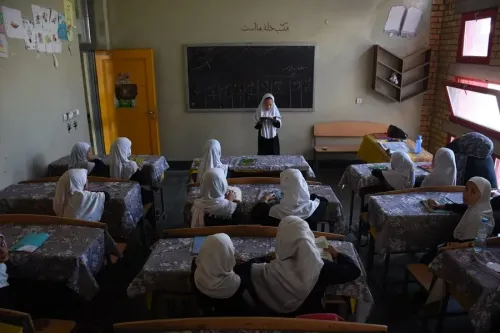
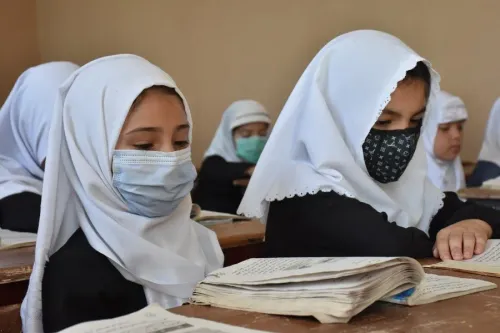
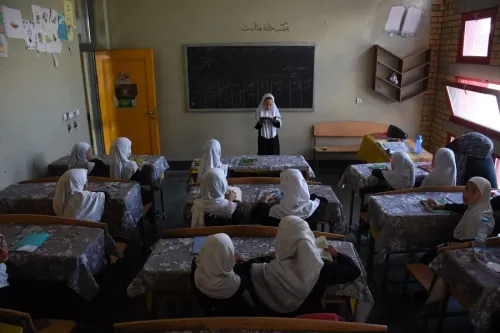
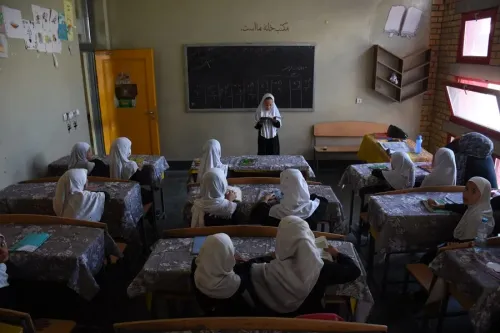
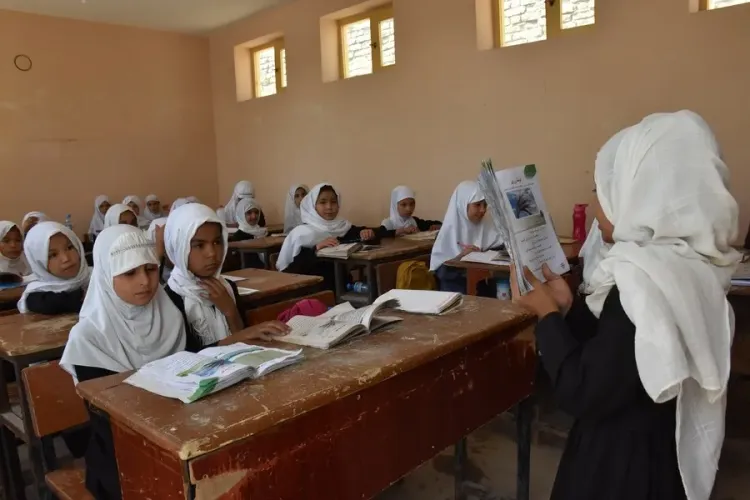
Kabul, Jan 27 (NationPress) The United Nations Children's Fund (UNICEF) announced on Tuesday that more than 90 percent of Afghan children aged 10 are unable to read a basic text. This alarming statistic highlights that the educational system in Afghanistan is at a pivotal juncture, with children lacking even the most fundamental learning opportunities, as reported by local media.
According to Khaama Press, Afghanistan's prominent news outlet citing UNICEF, a staggering 90 percent of 10-year-olds are incapable of reading simple texts, illustrating a profound crisis of schooling devoid of effective learning. The education framework has faced severe challenges since the Taliban took control on August 15, 2021, including school closures, a shortage of qualified educators, and inadequate curricula.
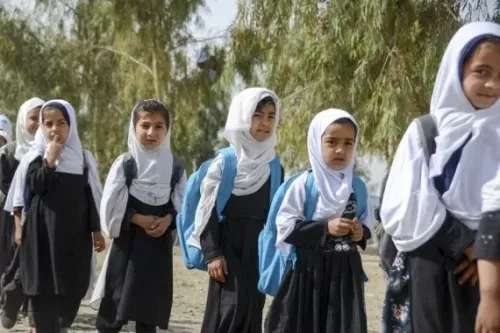
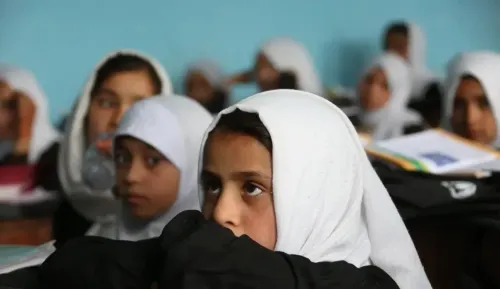
UNICEF and UNESCO have indicated that around 2.2 million adolescent girls are currently without access to education. UNICEF emphasized the urgent need for sustained investment in early education, literacy, and numeracy to ensure children's success and to break the cycle of generational illiteracy. The organization cautioned that without necessary reforms, the crisis in Afghanistan is likely to persist, according to Khaama Press.
On January 24, female students above the sixth grade and university-level girls called on the Taliban to permit their resumption of studies in schools and universities for the upcoming academic year, local media reported.
Since the Taliban regained power in August 2021, a ban has been enforced on girls' education beyond the sixth grade. Subsequently, the regime ordered all public and private universities to suspend the education of girls and women indefinitely. Taliban representatives claimed that educational opportunities for girls would resume once conditions become favorable.
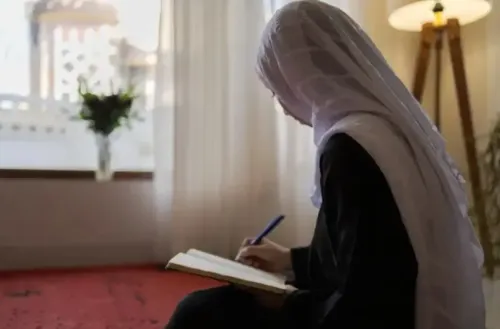
Speaking to Pajhwok Afghan News, Madina Ahmadi from Kabul expressed, "It has been four years since we were denied access to education. Four years ago, I was in eighth grade and had dreams of completing my education and taking the Kankor entrance exam."
She appealed to the Taliban to reopen schools for girls. "I urge the Islamic Emirate to allow us back to school while respecting Islamic values and hijab. We girls aspire to contribute actively to society, just like our brothers," Pajhwok Afghan News reported her saying.
Salma, a resident of Deh Mazang in Kabul, shared, "Four years ago, when the Islamic Emirate took control, I was a ninth-grade student at Rakhshana High School. If we hadn't been banned from school, I would have graduated by now." She expressed her concern over the denial of education and urged the Taliban to reopen schools for girls beyond the sixth grade.
Saeedia Masoodzada, a student from Kabul's Taimani, lamented, "When girls were barred from educational institutions, I was a second-year student in the Faculty of Economics at Kabul University. Sadly, I remain at home with no updates on when classes will resume."
Point of View
It's crucial to highlight the urgency of the situation in Afghanistan. The education crisis, particularly affecting girls, demands immediate action from both local authorities and the international community. Education is a fundamental right, and ensuring access for every child is essential for the nation's future. It is imperative that we advocate for reform and support organizations striving to improve educational access in Afghanistan.
NationPress
2 Oct 2026
Frequently Asked Questions
What percentage of children in Afghanistan cannot read?
Over 90 percent of 10-year-old children in Afghanistan are unable to read a simple text, according to UNICEF.
How many adolescent girls lack access to education in Afghanistan?
Approximately 2.2 million adolescent girls in Afghanistan do not have access to school.
What has caused the decline in education in Afghanistan?
The education system has been severely affected by school closures, a lack of qualified teachers, and curriculum limitations since the Taliban took power.
What is being done to address the education crisis in Afghanistan?
Organizations like UNICEF are advocating for continuous investment in early education, literacy, and numeracy to combat the crisis.
How can international agencies assist in improving education in Afghanistan?
International agencies can help by providing resources, advocating for policy reforms, and supporting local educational initiatives.