Is UNICEF Highlighting the Malnutrition Crisis for 3.7 Million Afghan Children?
Synopsis
UNICEF has raised alarms about an escalating child malnutrition crisis in Afghanistan, affecting 3.7 million children annually. As conditions deteriorate due to economic factors and drought, the need for urgent intervention and revised treatment guidelines becomes critical. This article delves into the multifaceted causes of malnutrition and the alarming state of education for Afghan children.
Key Takeaways
3.7 million Afghan children suffer from acute malnutrition annually.
Economic collapse and drought exacerbate the crisis.
New UNICEF guidelines focus on severe malnutrition cases.
Over 90% of Afghan households struggle to afford food.
Education for Afghan children is critically affected, with 90% unable to read.
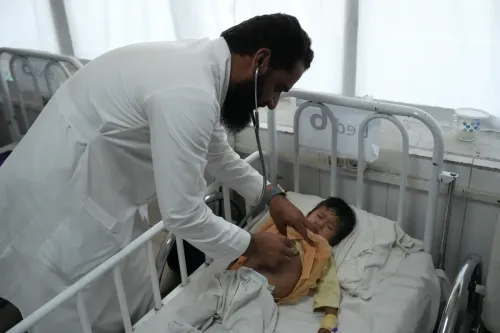
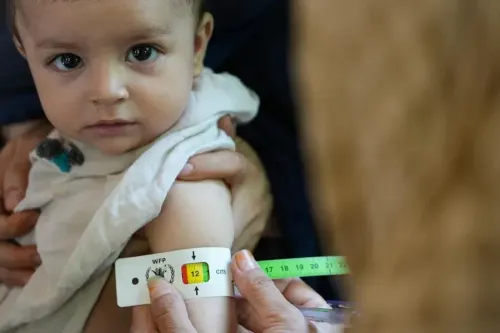
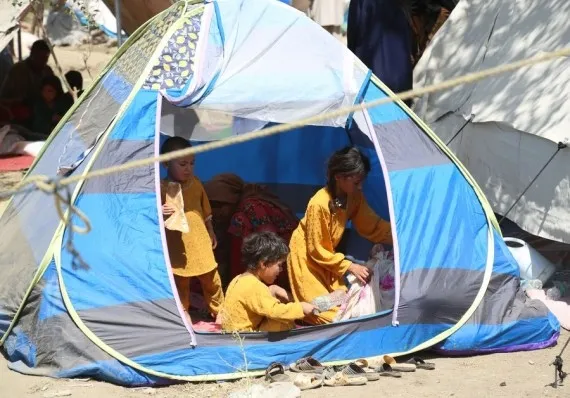
Kabul, Jan 28 (NationPress) The United Nations Children's Fund (UNICEF) has alerted that Afghanistan is grappling with a severe child malnutrition crisis, affecting approximately 3.7 million children each year, as reported by local media on Wednesday.
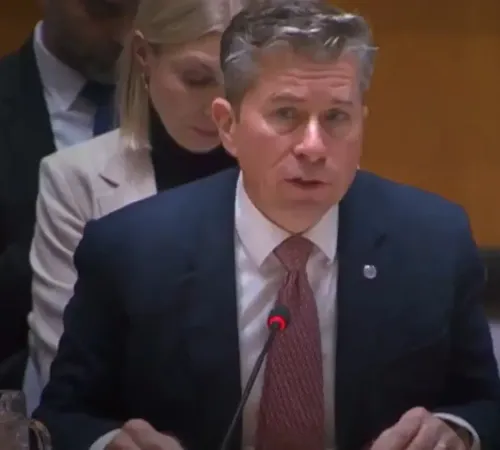
Tajudeen Oyewale, the UNICEF representative in Afghanistan, emphasized the urgency of addressing this crisis during the unveiling of new malnutrition prevention and treatment guidelines on Tuesday, according to Afghanistan's prominent news agency, Khaama Press.
The situation has worsened since 2021, driven by economic collapse, drought, and a lack of humanitarian funding.
The World Food Programme notes that over 90 percent of Afghan households struggle to afford adequate food, leading to irreversible developmental damage in children due to inadequate nutrition.
The revised guidelines introduce crucial modifications in treatment and prevention methods, concentrating on life-saving measures for the most critical malnutrition cases. These guidelines provide care protocols for infants under six months, marking a vital advancement in combating child malnutrition. UNICEF remains hopeful that these updates will enhance treatment effectiveness and safeguard children’s lives amid the ongoing crisis.
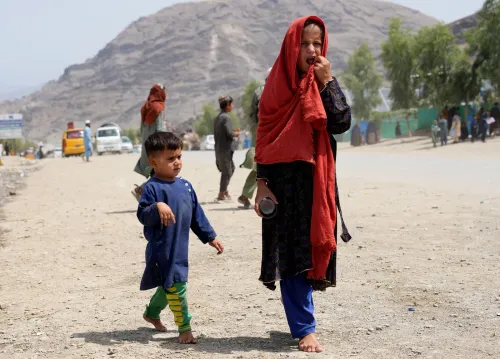
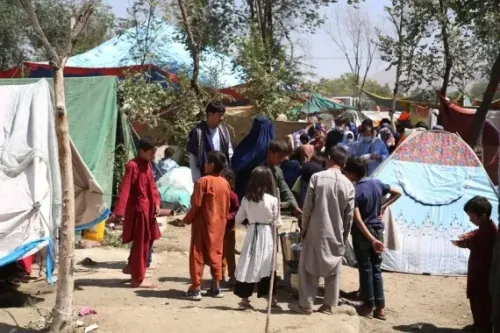
Multiple factors contribute to child malnutrition in Afghanistan, including poverty, food scarcity, limited healthcare access, and poor maternal health. Rural areas are particularly hard-hit, with families facing food shortages and lacking medical facilities, compounded by ongoing restrictions on women's healthcare workers, which further limits treatment access.
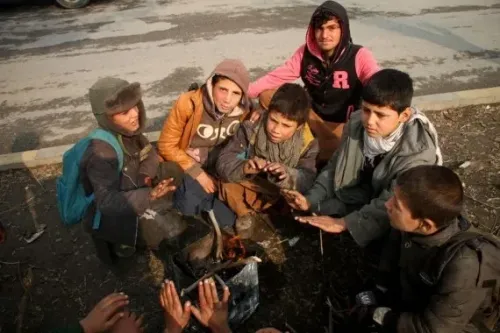
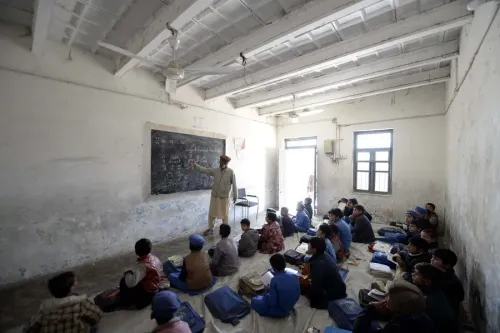
Moreover, UNICEF reported that over 90 percent of ten-year-old children in Afghanistan are unable to read a simple text. This highlights a critical juncture for the education system in the country, with children missing out on basic education, as reported by local media.
It was noted that the education landscape has been severely impacted since the Taliban took control on August 15, 2021, marked by school closures, a shortage of qualified teachers, and limited curricula, according to Khaama Press.
Furthermore, a report by UNICEF and UNESCO indicates that around 2.2 million adolescent girls lack access to schooling. UNICEF underscored the necessity for ongoing investment in early education, literacy, and numeracy to guarantee that all children achieve success and break the cycle of generational illiteracy. The organization cautioned that without reforms, the situation in Afghanistan will persist, as reported by Khaama Press.
Point of View
It is crucial to recognize that the crisis of child malnutrition in Afghanistan is not merely a statistic; it represents the lives and futures of millions of children. The international community's response must be swift and effective, addressing both immediate needs and long-term solutions to ensure these children's well-being and development.
NationPress
25 Sept 2026
Frequently Asked Questions
What is the current state of child malnutrition in Afghanistan?
UNICEF reports that approximately 3.7 million Afghan children experience acute malnutrition annually, exacerbated by economic and humanitarian crises.
What factors contribute to malnutrition among Afghan children?
Key factors include poverty, food insecurity, limited access to healthcare, and poor maternal nutrition, particularly affecting rural areas.
What measures is UNICEF taking to address this crisis?
UNICEF has launched updated malnutrition prevention and treatment guidelines, focusing on severe cases and providing care instructions for infants.
How is the education system in Afghanistan impacted?
Over 90% of ten-year-old children in Afghanistan cannot read a simple text, highlighting a significant educational crisis since the Taliban's takeover.
What can be done to improve the situation?
Continuous investment in early education, literacy, and nutritional programs is essential to break the cycle of malnutrition and illiteracy.