Is Hunger on the Rise in Afghanistan as Winter Approaches?
Synopsis
The World Food Programme warns that hunger levels are rising rapidly in Afghanistan as winter approaches. With malnutrition rates potentially reaching unprecedented levels, urgent action is needed to address the food crisis affecting millions.
Key Takeaways
Hunger crisis in Afghanistan is worsening as winter approaches.
3.5 million children are at risk of malnutrition.
The WFP has reduced aid from 10 million to 2 million due to funding shortages.
Urgent action is needed to prevent a humanitarian catastrophe.
Vaccination against measles is critical for children under five.
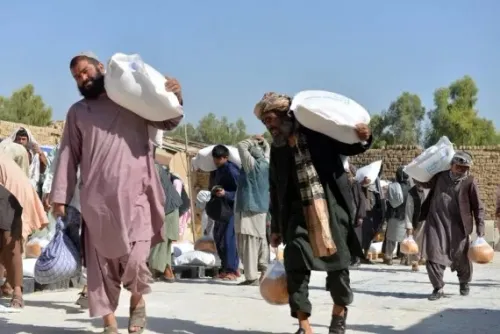
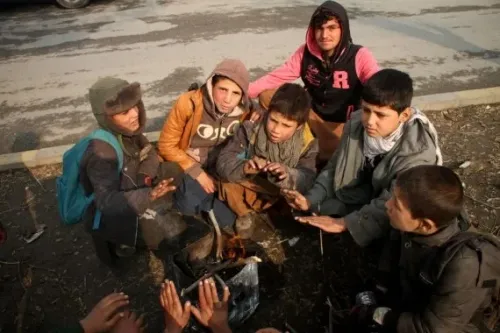
Kabul, Dec 8 (NationPress) The World Food Programme (WFP) has issued a grave warning about the escalating hunger crisis in Afghanistan as the winter season draws near. According to a statement from the WFP, malnutrition rates among children and women may reach alarming levels not witnessed in recent years, as reported by Afghanistan's leading news outlet, Khaama Press.
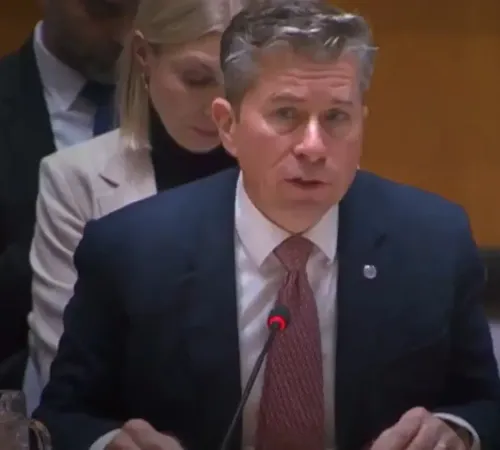
WFP Executive Director Carl Skau highlighted that due to insufficient funding, the agency has been compelled to cut food assistance from 10 million people down to just two million. He cautioned that numerous children could face life-threatening situations and potentially die from malnutrition and harsh winter conditions.
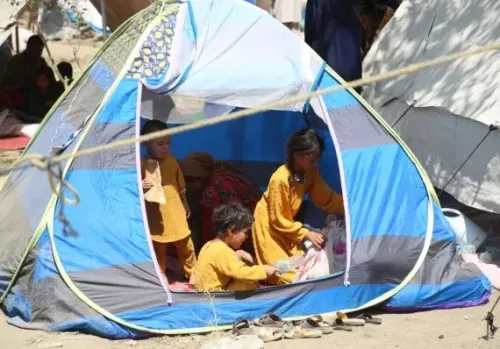
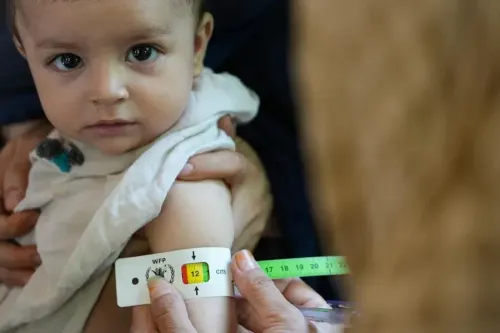
This dire announcement follows the United Nations' earlier statement indicating that approximately 3.5 million children under the age of five in Afghanistan suffer from acute malnutrition.
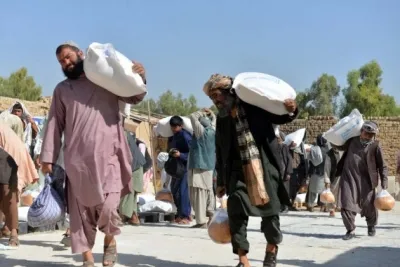
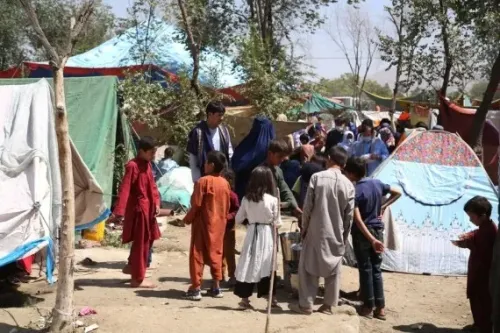
Humanitarian workers emphasize that Afghanistan remains one of the globe's most food-insecure nations, suffering from drought, economic collapse, and stringent aid restrictions, which further exacerbate the crisis.
Aid organizations have urgently called on donors to renew their support, stressing that diminished assistance could plunge vulnerable populations deeper into hunger.
Earlier in November, the World Health Organisation (WHO) alerted that the risk of a measles outbreak is rising in Afghanistan, urging families to vaccinate children under five years.
The WHO emphasized that vaccination is the most effective method to prevent the spread of measles, which has already resulted in multiple child fatalities in Afghanistan in recent months.
The organization noted that malnutrition and limited healthcare access have worsened the outbreak, leaving many children susceptible to diseases like measles.
Back in September, UN Secretary-General spokesperson Stephane Dujarric stated that WFP officials warned of a rapidly deteriorating humanitarian crisis in Afghanistan by 2025, with over 4.7 million women and children requiring urgent treatment for malnutrition, as reported by Tolo News.
He remarked, "Our colleagues at the World Food Programme warn that the country is facing a rapidly worsening humanitarian crisis in 2025. WFP pointed out that this year has observed the highest surge in acute malnutrition ever recorded, with more than 4.7 million women and children in need of urgent treatment."
Point of View
I must emphasize that Afghanistan's escalating hunger crisis is an urgent humanitarian issue that demands immediate attention. With millions at risk, it is crucial for the global community to respond with solidarity and support to alleviate the suffering of the Afghan people.
NationPress
6 Oct 2026
Frequently Asked Questions
What is the current hunger situation in Afghanistan?
Hunger levels in Afghanistan are rising alarmingly, with the World Food Programme warning that malnutrition among children and women could reach unprecedented levels as winter approaches.
How many children are affected by malnutrition in Afghanistan?
Approximately 3.5 million children under the age of five in Afghanistan are suffering from acute malnutrition.
Why has food assistance been reduced by the WFP?
The World Food Programme has had to cut food assistance from 10 million to 2 million people due to significant funding shortages.
What are the consequences of this hunger crisis?
Without urgent intervention, many children could face life-threatening conditions or even death from malnutrition and exposure during the harsh winter months.
What measures are being urged to combat the measles outbreak?
The World Health Organisation is urging families to vaccinate children under five against measles to prevent the spread of the disease, which has already caused deaths in Afghanistan.