WFP Issues Urgent Warning: Millions at Risk of Hunger in Afghanistan Amid Border Conflicts with Pakistan
Synopsis
The WFP has raised urgent concerns over a looming hunger crisis in Afghanistan, with millions facing acute food shortages due to escalating border conflicts with Pakistan. This alarming situation demands immediate international attention and funding to support those in dire need.
Key Takeaways
17.4 million Afghans require urgent food assistance.
About 20,000 families displaced due to border conflicts.
WFP needs US$313 million for emergency aid over six months.
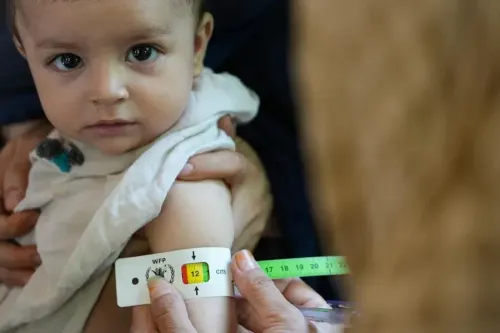
Child malnutrition is projected to affect 3.7 million children by 2026.
The humanitarian response remains critically underfunded.
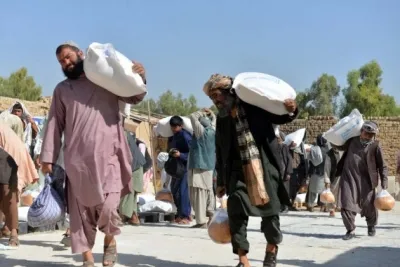
Kabul, March 7 (NationPress) The World Food Programme (WFP) has issued a grave warning regarding the escalating hunger crisis in Afghanistan, indicating that millions are experiencing severe food insecurity as tensions rise along the border with Pakistan.
The organization emphasized that a lack of adequate funding could hinder its ability to assist refugees escaping from Iran and Pakistan, as well as those displaced internally due to the border conflict.
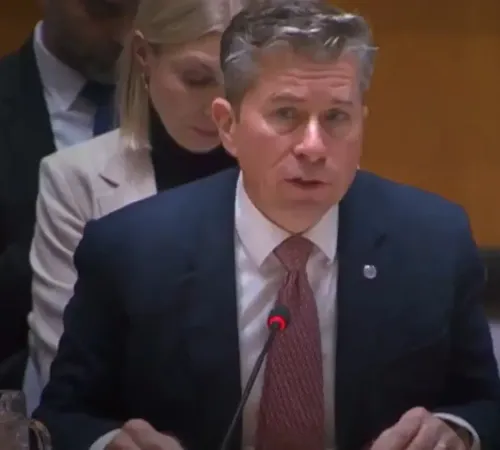
“Afghanistan is grappling with one of the most critical hunger crises globally, with one in three Afghans—approximately 17.4 million individuals—urgently needing food aid. The situation for children is particularly alarming, with an estimated 3.7 million children likely to require treatment by 2026. If this new crisis continues to develop alongside current funding shortages, WFP will struggle to support families fleeing from Iran and Pakistan and those displaced by the ongoing border conflict,” stated John Aylieff, WFP Afghanistan Representative and Country Director.
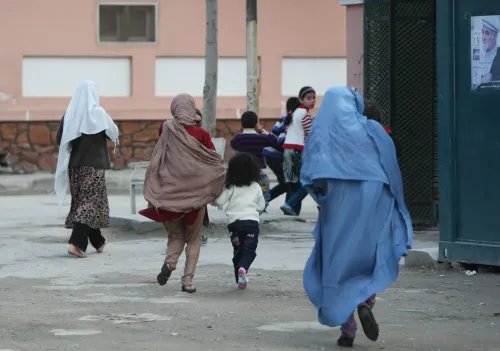
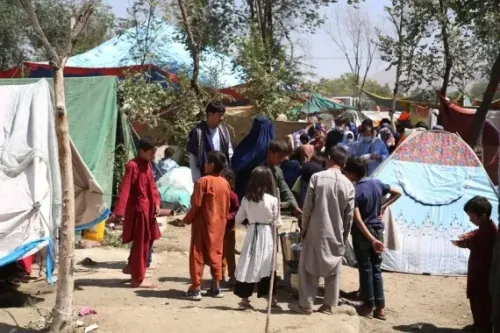
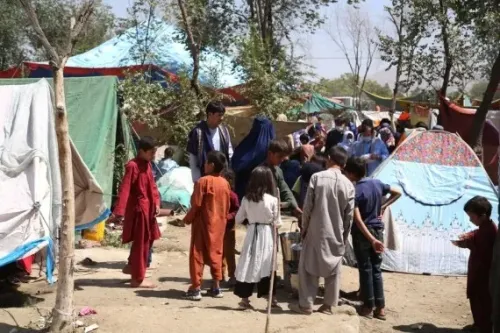
Aylieff noted that the border violence between Pakistan and Afghanistan has escalated since February 26, resulting in the displacement of around 20,000 Afghan families from eastern, southeastern, and southern provinces.
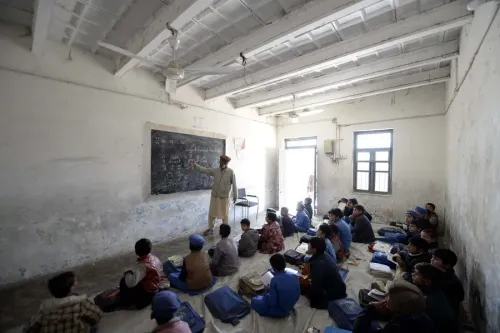
He highlighted that in several Afghan provinces, including Nangarhar, Nuristan, Kunar, Laghman, Paktika, Paktya, Khost, Kandahar, Helmand, and Zabul, WFP has had to temporarily halt emergency, social protection, school feeding, and livelihood initiatives, impacting nearly 160,000 individuals.
With ongoing violence on Afghanistan's western border, fears of an influx of returnees from Iran are rising. Aylieff remarked, “We observed a similar increase in returns during heightened conflict in June 2025. For many, returning to Afghanistan entails confronting not only poverty, unemployment, and hunger but also renewed instability.”
“In 2025 alone, Afghanistan witnessed over 2.5 million returnees from Iran and Pakistan. Even before the latest conflicts, projections indicated a similar return rate in 2026; however, renewed violence may escalate these figures, further straining an already underfunded humanitarian response,” he added.
Aylieff mentioned that WFP could only provide food assistance to a small fraction of those in need during the winter response of 2026, warning that funding for emergency operations is expected to deplete within the next month, endangering millions of vulnerable people in Afghanistan.
“Our funding requirements for the upcoming six months total US$313 million. WFP calls on the international community to fulfill their commitments and not forsake Afghanistan in its time of greatest need,” he urged.
Point of View
The escalating humanitarian crisis in Afghanistan due to border conflicts is alarming. The WFP's warning underscores the urgency needed in response efforts. It is imperative that the international community steps in to provide the necessary support to prevent a catastrophic situation for millions.
NationPress
20 Sept 2026
Frequently Asked Questions
What is the current hunger situation in Afghanistan?
Afghanistan is facing a severe hunger crisis, with approximately 17.4 million people in urgent need of food assistance due to escalating conflicts.
How many families have been displaced due to border violence?
Around 20,000 Afghan families have been displaced since the escalation of violence along the border with Pakistan.
What is WFP's funding requirement for Afghanistan?
WFP requires US$313 million over the next six months to continue its emergency operations and provide aid to those in need.
How many returnees has Afghanistan seen from Iran and Pakistan?
In 2025, Afghanistan experienced an influx of over 2.5 million returnees from Iran and Pakistan.
What challenges is the WFP facing in providing aid?
The WFP is struggling with funding shortages, which may hinder its ability to assist displaced individuals and those in urgent need of food.