UN warns of worsening hunger in Afghanistan, millions of children at risk
Synopsis
The UN is sounding the alarm on Afghanistan's deepening hunger crisis — funding cuts to WFP nutrition programmes are leaving malnourished women and children without specialised food, while floods in Nangarhar have displaced around 2,000 families. With economic collapse, unemployment, and climate shocks converging, Afghanistan's humanitarian situation is worsening faster than international support is arriving.
Key Takeaways
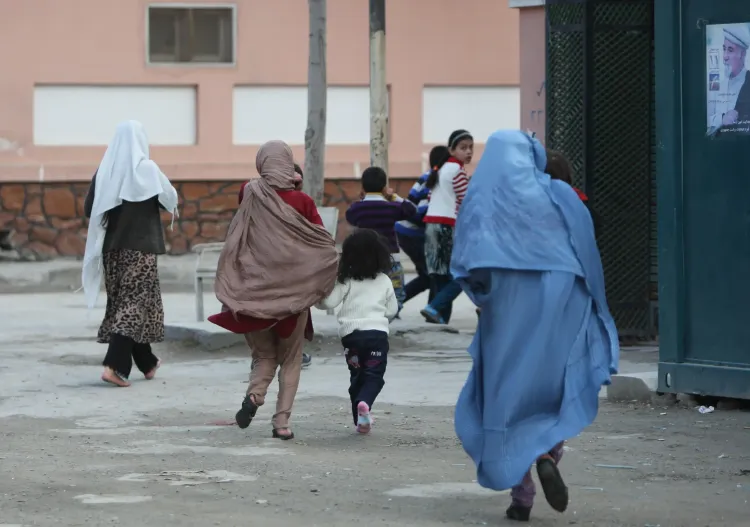
The United Nations has warned that hunger and food security are deteriorating in Afghanistan , with women and children most affected.
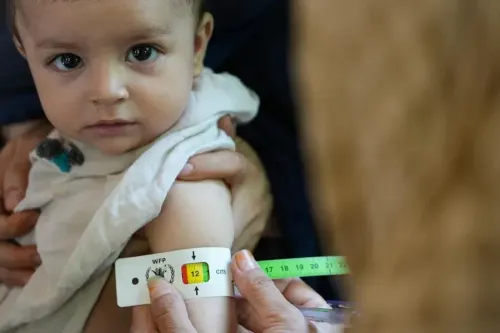
WFP funding cuts have reduced supplies of specialised nutritional food for malnourished women and children, putting millions of children at risk of severe hunger.
Around 2,000 families were affected by floods in Nangarhar province , with the IOM distributing emergency relief.
At least 250 additional families in Nangarhar are set to receive further humanitarian assistance; similar operations are underway in Laghman and Kunar .
Overlapping crises — economic collapse, unemployment, and climate shocks including floods, droughts, and harsh winters — continue to compound Afghanistan's humanitarian emergency.
The United Nations has warned that hunger and food security conditions are deteriorating across Afghanistan, with women and children bearing the heaviest burden amid compounding economic and humanitarian crises, according to reports on Tuesday, 12 May. The warning comes as overlapping emergencies — including economic collapse, unemployment, and climate-related shocks — continue to erode livelihoods nationwide.
Funding Cuts Threaten Nutrition Programmes
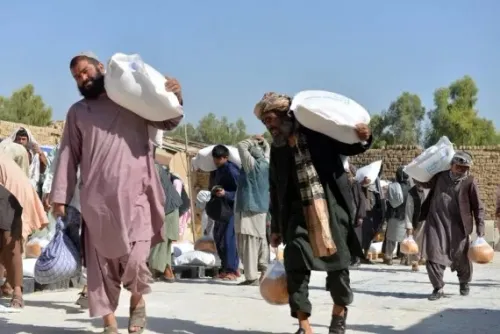
The United Nations World Food Programme (WFP) stated that continuous funding cuts have reduced supplies of specialised nutritional food critical for treating malnourished women and children. Millions of children reportedly face the risk of severe hunger, prompting humanitarian organisations to call for sustained international support to prevent further deterioration. Increasing regional tensions have also driven up food prices, placing additional pressure on already vulnerable populations.
Floods Displace Thousands in Nangarhar
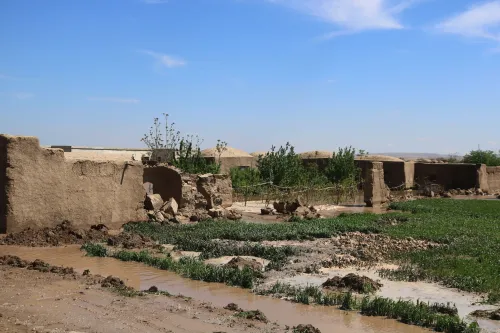
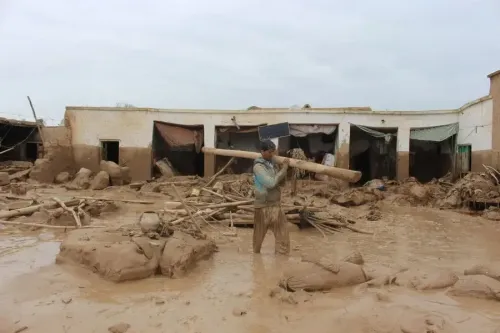
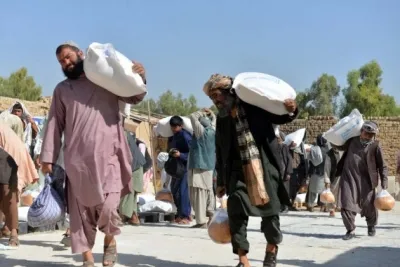
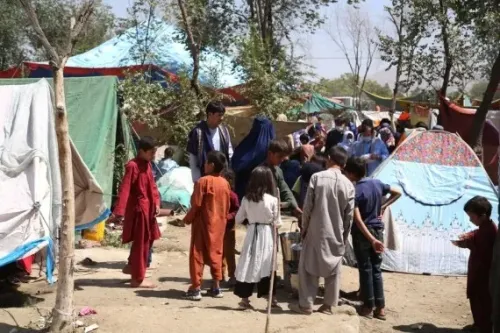
Separately, the International Organisation for Migration (IOM) on Monday reported that approximately 2,000 families have been affected by recent flooding in Afghanistan's Nangarhar province. Emergency relief items have been distributed to impacted families as humanitarian teams continue assessing urgent needs. Many residents lost homes, agricultural land, and household property in the floods.
The IOM stated that additional humanitarian assistance is planned for at least 250 additional families in Nangarhar as recovery and emergency operations remain underway. Similar aid operations are also being conducted in Laghman and Kunar provinces, where recent flooding has caused significant damage to residents and infrastructure.
A Country Battered by Overlapping Crises
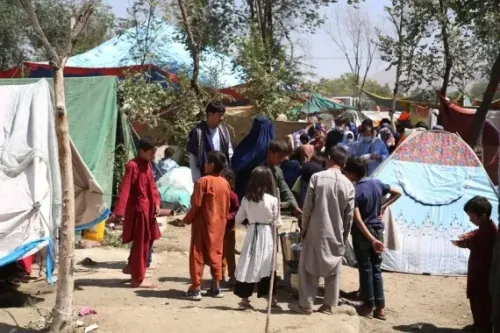
Humanitarian agencies note that extreme weather events — including floods, harsh winters, and droughts — have struck Afghanistan with increasing frequency in recent years. These climate shocks compound the pressures on millions already struggling with poverty and displacement. The UN agencies emphasised that Afghanistan continues to face problems stemming from an economic collapse that followed the political transition of 2021, with unemployment remaining critically high and social safety nets largely absent.
Notably, this is not an isolated warning. The UN and allied humanitarian bodies have repeatedly flagged Afghanistan as one of the world's worst hunger crises, yet international funding has fallen short of stated needs. The combination of donor fatigue and geopolitical tensions risks leaving the country's most vulnerable with diminishing support precisely when needs are rising.
What Comes Next
Humanitarian organisations are calling for a sustained and scaled-up international response, warning that without renewed funding commitments, the situation for women, children, and flood-affected families could deteriorate further in the months ahead.
Point of View
And the latest UN warning follows a familiar pattern: escalating need, shrinking donor response. The WFP funding cuts are particularly alarming because nutrition interventions for malnourished children have a narrow window — delays translate directly into irreversible developmental harm. What mainstream coverage often misses is the structural dimension: Afghanistan's economic collapse is not merely a post-conflict aftershock but an ongoing policy consequence of international sanctions and frozen central bank assets. Until that structural issue is addressed, emergency food aid will remain a stopgap for a crisis that requires a systemic fix.
NationPress
26 Sept 2026
Frequently Asked Questions
Why is hunger worsening in Afghanistan?
Hunger is worsening in Afghanistan due to overlapping crises including economic collapse, high unemployment, rising food prices driven by regional tensions, and climate-related shocks such as floods and droughts. Funding cuts to UN nutrition programmes have further reduced the availability of specialised food for malnourished women and children.
How many families were affected by the Nangarhar floods?
Around 2,000 families were affected by recent flooding in Afghanistan's Nangarhar province, according to the IOM. Many lost homes, agricultural land, and household property, and emergency relief items have been distributed to impacted families.
What is the WFP doing in Afghanistan?
The WFP has been providing specialised nutritional food for the treatment of malnourished women and children in Afghanistan. However, continuous funding cuts have reduced these supplies, raising serious concerns about the ability to address severe malnutrition among millions of children.
Which other Afghan provinces are receiving humanitarian aid?
In addition to Nangarhar, humanitarian aid operations are being conducted in Laghman and Kunar provinces, where recent flooding has caused damage to residents and infrastructure, according to the IOM.
What are humanitarian organisations calling for?
Humanitarian organisations are calling for sustained international support and renewed funding commitments to prevent Afghanistan's hunger and food security situation from worsening further, particularly for vulnerable women, children, and flood-affected families.