Afghanistan floods: 2,000 families hit in Nangarhar, IOM confirms
Synopsis
The IOM has confirmed 2,000 families hit by flooding in Nangarhar alone — but that is just one piece of a much larger crisis. With the UN reporting 73,000 people affected nationally and at least 148 killed last month, Afghanistan is facing a compounding humanitarian emergency, with no buffer against the next seasonal storm.
Key Takeaways
2,000 families affected by floods in Nangarhar province , confirmed by the IOM on 11 May 2025 .
The IOM has planned additional aid for at least 250 more families in Nangarhar; similar operations underway in Laghman and Kunar .
The United Nations reports 73,000 people impacted by recent flooding across Afghanistan.
At least 148 people were killed and 216 injured last month from floods, landslides, and storms nationwide.
At least 1,149 homes destroyed in Nangarhar; key roads damaged, disrupting connectivity between Kabul and several provinces.
Over 7,500 families were impacted in the earlier wave, highlighting chronic vulnerability in rural Afghanistan.
Around 2,000 families have been affected by recent flooding in Afghanistan's Nangarhar province, the International Organisation for Migration (IOM) confirmed on Monday, 11 May. Emergency relief items have already been distributed to impacted families as humanitarian teams continue assessing urgent needs across flood-hit areas.
Scale of Damage in Nangarhar
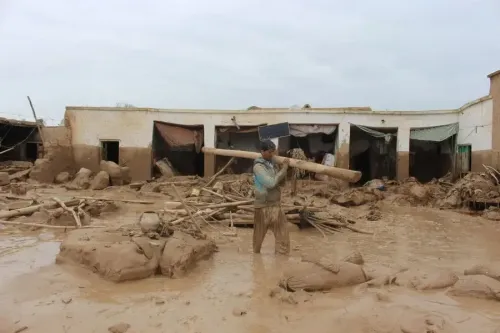
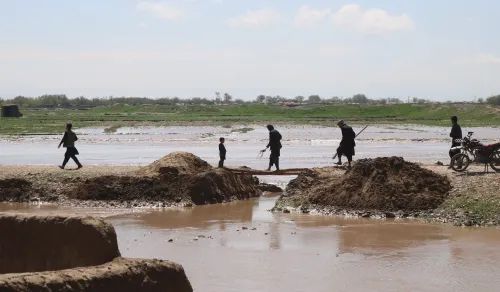
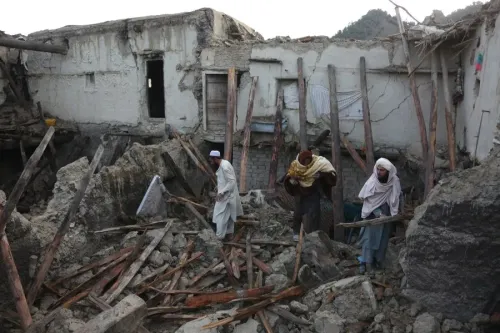
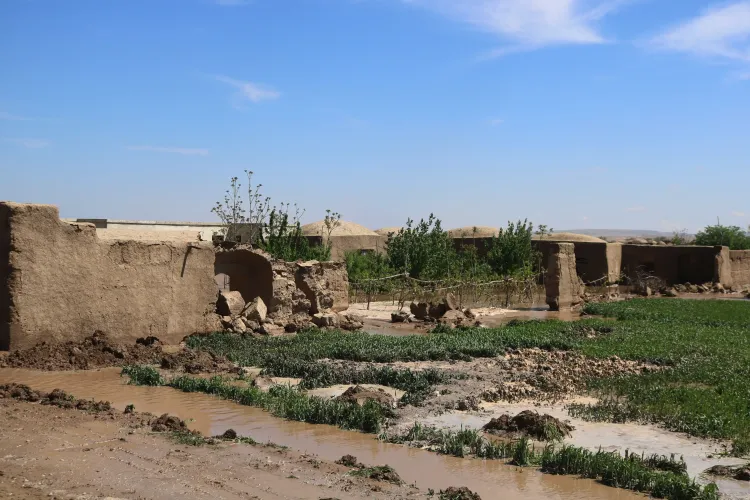
The IOM reported that many residents lost homes, agricultural land, and household property following the floods. The organisation has planned additional humanitarian assistance for at least 250 more families in Nangarhar, with recovery and emergency operations actively underway in affected regions.
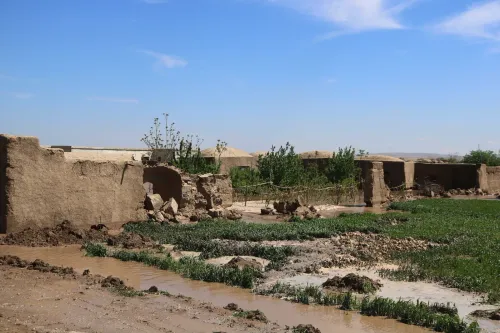
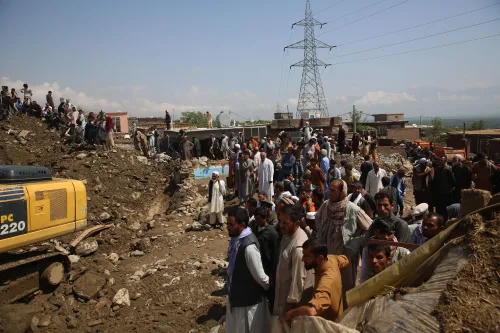
According to earlier data, 24 people were killed and 33 injured specifically in Nangarhar, with deaths linked to collapsing roofs, floodwaters, and storm-related damage. At least 1,149 homes were destroyed, while roads, farmland, and local infrastructure suffered extensive damage.
Aid Extends to Laghman and Kunar
Similar relief operations are being conducted in neighbouring Laghman and Kunar provinces, where recent flooding has caused significant damage to residents and infrastructure. The coordinated multi-province response reflects the breadth of the disaster's reach across eastern Afghanistan.
Broader Humanitarian Crisis
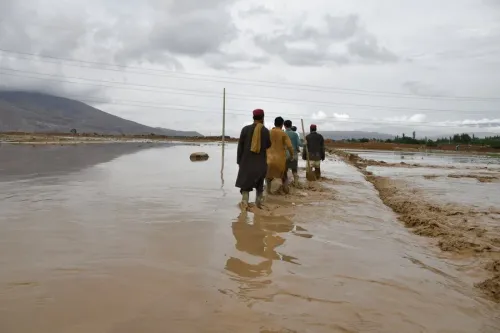
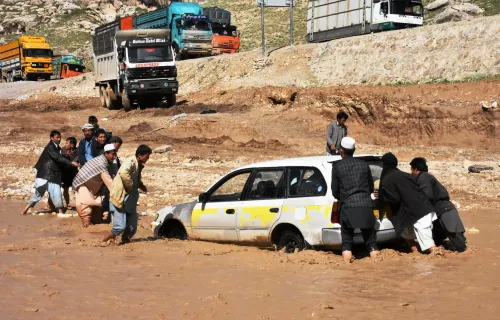
The United Nations has stated that 73,000 people have been impacted by recent flooding across Afghanistan, with thousands of families requiring shelter, food assistance, and medical support following widespread destruction. Key roads were damaged, disrupting connectivity between Kabul and several provinces, and stranded residents were airlifted from some areas as floodwaters swept through villages and urban neighbourhoods.
Last month, Afghan disaster authorities confirmed that at least 148 people were killed and 216 others injured across the country following heavy rains, flash floods, landslides, earthquakes, and lightning strikes. Over 7,500 families were impacted in that earlier wave, underscoring how seasonal storms repeatedly trigger humanitarian emergencies in rural and poorly protected areas.
A Pattern of Compounding Disasters
Humanitarian agencies have flagged that extreme weather conditions — including floods, harsh winters, and droughts — have battered Afghanistan in recent years, piling additional pressure on millions already struggling with poverty and displacement. This comes amid an already fragile aid environment, with international funding for Afghan relief under strain. With the monsoon season approaching, agencies warn that further flooding events remain a credible risk across the country's vulnerable provinces.
Point of View
000-family figure for Nangarhar alone sits within a national toll of 73,000 affected, yet international attention to Afghanistan's disaster needs has waned since 2021. With poverty, displacement, and crumbling infrastructure already at crisis levels, each seasonal flood does disproportionate damage. The real question is whether the humanitarian funding pipeline can keep pace with a country that faces floods, droughts, and harsh winters in the same calendar year — and currently has no government with the institutional capacity to absorb them.
NationPress
22 Sept 2026
Frequently Asked Questions
How many families have been affected by floods in Afghanistan's Nangarhar province?
Around 2,000 families have been affected by recent flooding in Nangarhar province, according to the IOM. Emergency relief items have been distributed and additional aid is planned for at least 250 more families in the area.
What is the total number of people affected by floods across Afghanistan?
The United Nations has stated that 73,000 people have been impacted by recent flooding across Afghanistan. Thousands of families require shelter, food assistance, and medical support following widespread destruction.
How many people were killed in Afghanistan's recent floods and storms?
At least 148 people were killed and 216 others were injured last month across Afghanistan due to heavy rains, flash floods, landslides, earthquakes, and lightning. In Nangarhar specifically, 24 people were killed and 33 were injured.
Which other provinces are receiving flood relief in Afghanistan?
Besides Nangarhar, similar humanitarian aid operations are being conducted in Laghman and Kunar provinces, where recent flooding has caused significant damage to residents and infrastructure.
Why is Afghanistan particularly vulnerable to flood disasters?
Humanitarian agencies note that extreme weather events — including floods, harsh winters, and droughts — have repeatedly struck Afghanistan in recent years. These disasters compound existing crises of poverty and displacement, affecting millions who lack adequate shelter or infrastructure protection.