Afghanistan's Academic Year Launch: Girls Still Barred from Classrooms Beyond Sixth Grade
Synopsis
The new academic year in Afghanistan begins, yet girls remain barred from classrooms beyond the sixth grade for the fifth year running. As local media report on the ongoing calls for educational access, prominent figures urge the Taliban to reconsider their stance on girls' education.
Key Takeaways
New academic year in Afghanistan begins Girls barred from classes above sixth grade for five years International calls for reopening girls' schools intensify Concerns over stability and progress in Afghanistan UN and UNICEF emphasize importance of girls' education
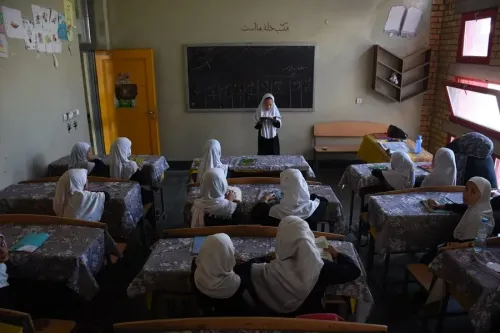
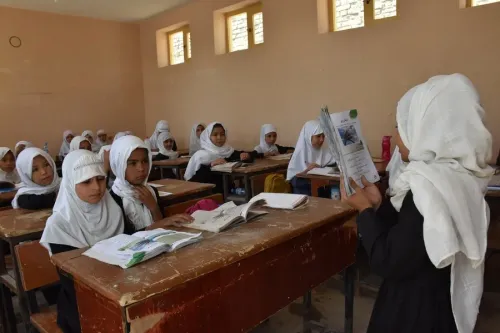
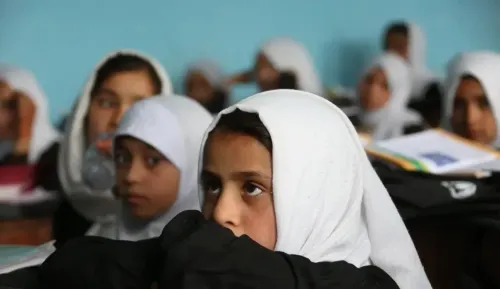
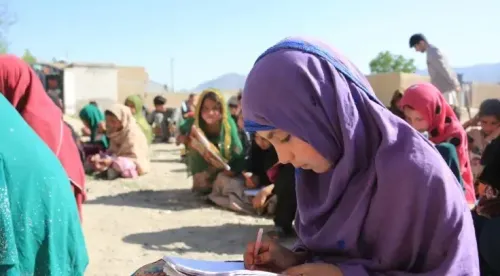
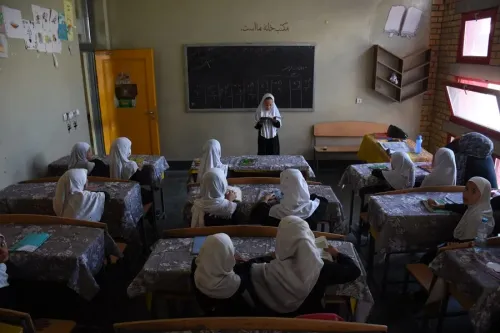
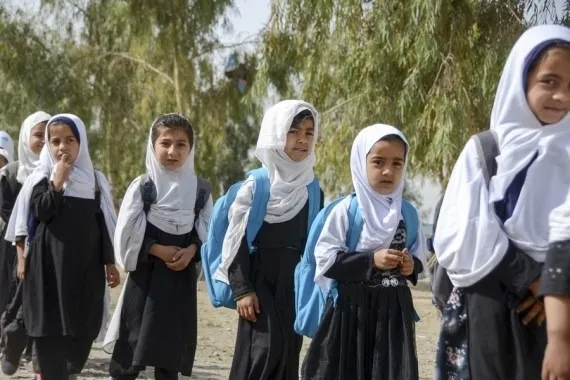
Kabul, March 27 (NationPress) The academic year in Afghanistan schools commenced on Thursday, yet girls have not been permitted to return to classrooms beyond the sixth grade for the fifth consecutive year. The initiation of classes occurred alongside ongoing demands for the reopening of girls' schools above this grade level, as reported by local media.
The Taliban's Education Ministry announced that the new academic year began with senior officials present at a formal ceremony, while classes also resumed in Afghanistan's colder provinces, according to Khaama Press, a leading news agency.
The persistent exclusion of girls from education beyond the sixth grade has ignited fresh concerns among Afghan students, families, and human rights organizations.
Sanjay Wijesekera, UNICEF's Regional Director for South Asia, emphasized the necessity of reopening schools for girls, asserting that education is foundational for hope, dignity, and the future.
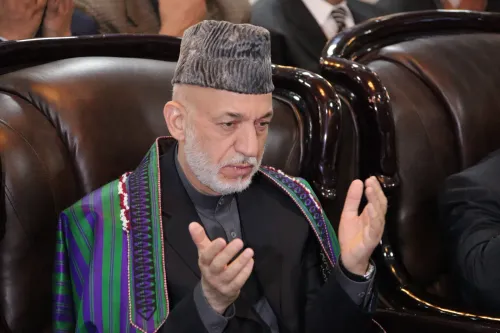
Former Afghan President Hamid Karzai has also voiced support for allowing girls to pursue education beyond the sixth grade, cautioning that the denial of education for girls and restrictions on women's employment could severely undermine Afghanistan's stability, progress, and self-sufficiency.
Richard Bennett, the United Nations Special Rapporteur on human rights in Afghanistan, declared the bans on education for women and girls as unacceptable, urging the Taliban to lift these restrictions promptly.
The Taliban has prohibited girls from attending classes above the sixth grade and has also barred them from universities, institutes, and numerous other educational settings, thereby severely limiting their academic and professional prospects. Afghan women are additionally facing employment restrictions in various fields, including public service and parts of the aid and civil society sectors.
Aid organizations have consistently warned that the exclusion of girls from education and employment is not merely a rights issue but a significant barrier to Afghanistan's long-term recovery and development.
On March 9, the United Nations Assistance Mission in Afghanistan (UNAMA) raised alarms that the restrictions placed on women in Afghanistan are detrimental to the nation's advancement and exacerbate humanitarian crises.
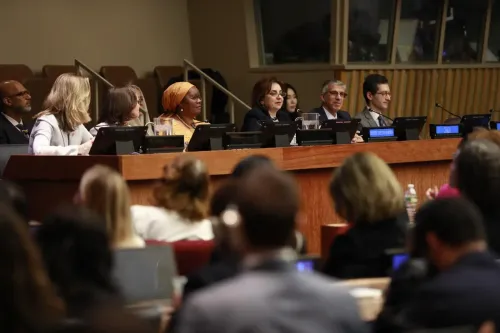
Georgette Gagnon, UNAMA's Acting Head, stated that the Taliban is prioritizing ideological policies over the welfare of the Afghan populace. In her address at a meeting of the United Nations Security Council (UNSC), Gagnon remarked that the Taliban's ban on women working in humanitarian organizations is obstructing aid operations and restricting agencies' capabilities to assist those in need, as reported by Khaama Press.
"The United Nations’ ability to provide assistance and engage with Afghan women is hindered by a six-month ban preventing female national personnel from reporting to their workplaces. Their absence deprives the UN of their expertise and diminishes our capacity to offer essential support to Afghan women and the broader community," she stated.
"These restrictions violate international agreements concerning the privileges and immunities of UN personnel and contravene the UN Charter. We again implore the de facto authorities to lift these restrictions and enable our female national staff to return to their offices," she added.
She underscored that Afghanistan's humanitarian crisis has worsened in 2026 due to dwindling international aid, increasing needs, and the influx of substantial numbers of migrants, compounded by restrictive Taliban policies.
Point of View
It's essential to highlight that the current educational restrictions imposed on girls in Afghanistan not only hinder their personal growth but also impact the nation's progress. The lack of educational opportunities for women poses a significant threat to Afghanistan's stability and development.
NationPress
22 Sept 2026
Frequently Asked Questions
Why are girls in Afghanistan barred from classrooms above sixth grade?
The Taliban has imposed restrictions preventing girls from attending school beyond the sixth grade, citing ideological beliefs.
What have international organizations said about this issue?
Organizations like UNICEF and the UN have condemned the bans, emphasizing the importance of education for girls and the negative impact on Afghanistan's future.
What are the implications of denying education to girls?
The exclusion of girls from education severely limits their academic and professional prospects, undermining Afghanistan's long-term recovery and development.