UN warns funding shortfall threatens nutrition programmes for 5.7 million in Afghanistan
Synopsis
A funding crisis is quietly dismantling the last safety net for 5.7 million children and mothers in Afghanistan. UN OCHA's warning is stark: without urgent donor action, nutrition programmes will shrink, maternal deaths will rise, and a country already recording 638 maternal deaths per 100,000 live births faces a deeper catastrophe — one that restrictions on women's education are making structurally harder to reverse.
Key Takeaways
UN OCHA warned on 26 July that a 2026 funding shortfall threatens nutrition programmes serving 5.7 million children and mothers in Afghanistan .
Financial constraints have already reduced humanitarian partners' capacity to respond to rising needs.
More than 10.7 million women and girls require humanitarian assistance in Afghanistan in 2026, per an OCHA report dated 14 July .
Afghanistan's maternal mortality rate stands at an estimated 638 deaths per 100,000 live births in 2024 , among the world's highest.
UNICEF estimates Afghanistan could lose more than 25,000 female teachers and health workers by 2030 if restrictions on girls' education continue.
Remote and rural areas face the sharpest impact, where healthcare access was already severely limited.
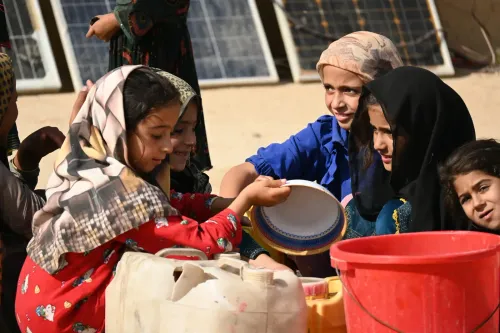
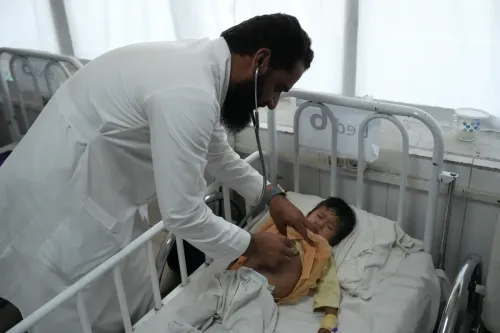
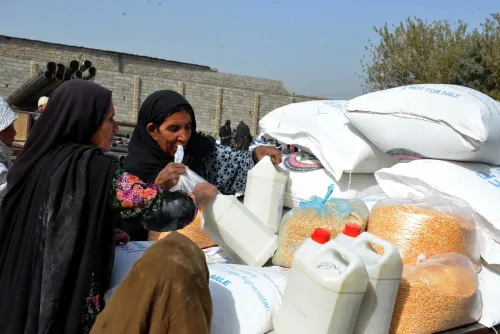
The United Nations Office for the Coordination of Humanitarian Affairs (OCHA) has warned that a 2026 funding shortfall is putting at risk nutrition programmes that currently support 5.7 million children and mothers in Afghanistan. Without urgent replenishment, millions of vulnerable Afghans could lose access to essential health and nutrition services, the agency cautioned.
Scale of the Crisis
According to OCHA, financial constraints have already forced humanitarian partners to scale back their capacity to respond to mounting needs, particularly among children and mothers facing acute malnutrition risks. The warning underscores how funding reductions are translating into immediate, on-the-ground service gaps — not a future risk, but a present reality.
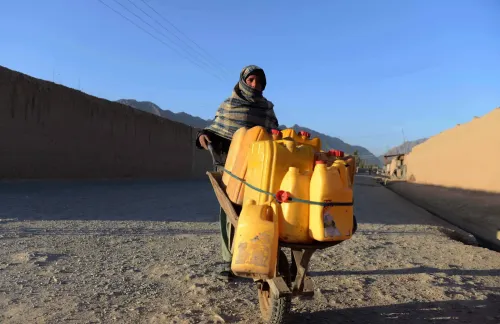
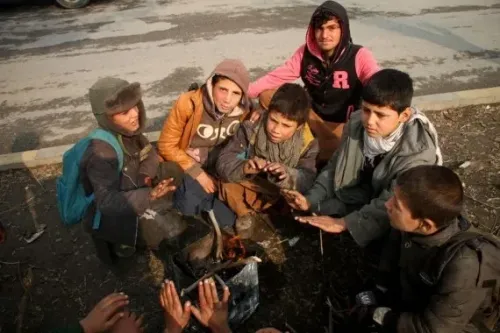
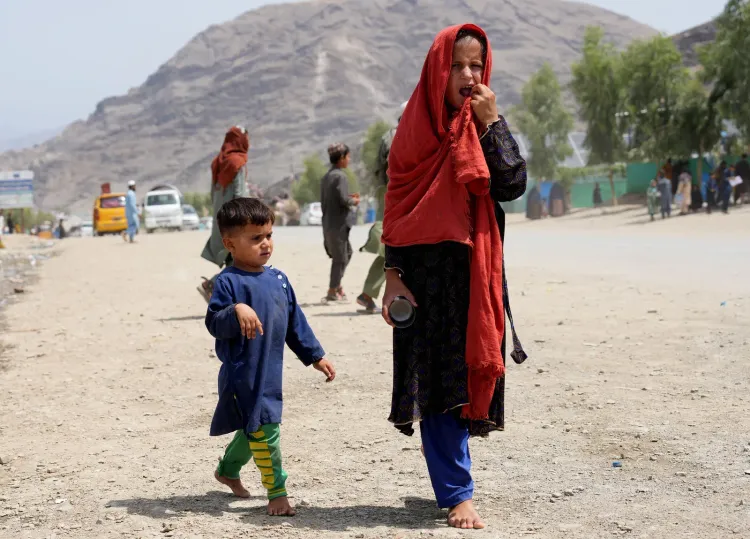
The situation is especially grave in Afghanistan's remote and under-served regions, where access to healthcare and humanitarian services was already limited before the latest funding squeeze. For families living in poverty, the loss of nutrition support raises the risk of preventable illness and fatalities among the most vulnerable.
Women and Girls Disproportionately Affected
On 14 July, OCHA reported that more than 10.7 million women and girls require humanitarian assistance in Afghanistan in 2026. Restrictions on women's movement, education, and employment continue to limit their access to essential services, deepening existing vulnerabilities and increasing protection risks.
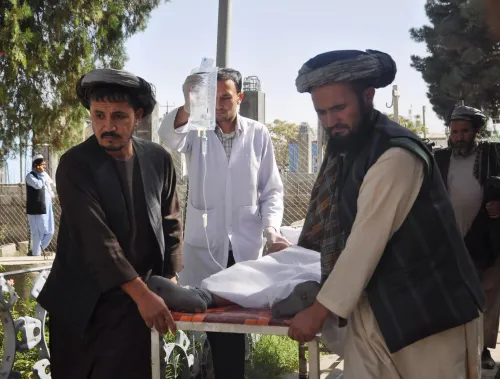
Afghanistan records one of the world's highest maternal mortality rates, estimated at 638 deaths per 100,000 live births in 2024. Shortages of women health workers, funding cuts, limited access to essential medicines, and gaps in emergency obstetric care are collectively driving preventable maternal and neonatal deaths — particularly in rural areas.
Long-Term Healthcare at Risk
OCHA has flagged that restrictions on girls' education are compounding the healthcare crisis by limiting the future pipeline of female doctors, nurses, and midwives. According to UNICEF estimates, Afghanistan could lose more than 25,000 female teachers and health workers by 2030 if current restrictions remain in place.
This comes amid one of the world's most severe and protracted humanitarian crises, driven by decades of conflict, economic disruption, and systemic weaknesses in public services. Millions of Afghans are now dependent on international assistance for basic survival — making the funding shortfall not merely a budgetary issue but a life-and-death emergency.
What Happens Next
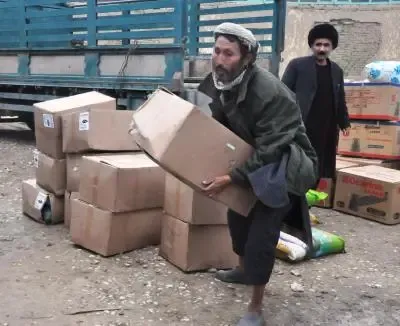
Aid agencies warn that without urgent funding, nutrition programme coverage will shrink further, leaving the most vulnerable without timely assistance. Humanitarian organisations have called on donor governments to bridge the gap before irreversible harm is done. The trajectory of international aid commitments in the coming weeks will be critical in determining how many of the 5.7 million at-risk individuals retain access to support.
Point of View
But the numbers are newly alarming — 5.7 million people dependent on programmes that are already shrinking. What mainstream coverage underweights is the structural compounding: restrictions on girls' education are not just a rights issue but a healthcare pipeline crisis, with UNICEF projecting a loss of 25,000 female health workers by 2030. Donor fatigue is real, but so is the arithmetic — Afghanistan's maternal mortality rate of 638 per 100,000 live births is not a statistic that improves without sustained, targeted investment. The risk is that the humanitarian community issues another warning, donors pledge, disbursements lag, and the window closes.
NationPress
25 Oct 2026
Frequently Asked Questions
Why are nutrition programmes in Afghanistan under threat in 2026?
A funding shortfall in 2026 has reduced the capacity of humanitarian organisations to sustain nutrition programmes that support 5.7 million children and mothers in Afghanistan. UN OCHA has warned that without urgent donor funding, millions of vulnerable Afghans could lose access to essential health and nutrition services.
How many women and girls need humanitarian aid in Afghanistan?
According to a UN OCHA report dated 14 July, more than 10.7 million women and girls require humanitarian assistance in Afghanistan in 2026. Restrictions on their movement, education, and employment are deepening their vulnerability and limiting access to essential services.
What is Afghanistan's maternal mortality rate?
Afghanistan recorded an estimated 638 maternal deaths per 100,000 live births in 2024, one of the highest rates in the world. Shortages of women health workers, funding cuts, and gaps in emergency obstetric care are key contributing factors.
How do restrictions on girls' education affect Afghanistan's healthcare system?
UN OCHA has warned that bans on girls' education are cutting off the future supply of female doctors, nurses, and midwives in Afghanistan. UNICEF estimates the country could lose more than 25,000 female teachers and health workers by 2030 if current restrictions remain in place.
Which areas of Afghanistan are most at risk from the funding shortfall?
Remote and under-served areas of Afghanistan face the greatest risk, as access to healthcare and humanitarian services was already severely limited before the funding cuts. Families living in poverty in these regions are most likely to lose nutrition support entirely.