16 million Afghans need clean water and sanitation in 2026: UN OCHA
Synopsis
UN OCHA's warning that 16 million Afghans will need clean water in 2026 — before the peak stress season even begins — signals a humanitarian system under total strain. With 3.7 million children facing severe malnutrition and wasting worsening in 26 of 34 provinces, Afghanistan is approaching a convergence of crises that reduced global aid flows are making nearly impossible to contain.
Key Takeaways
16 million people in Afghanistan will need access to clean water and sanitation services in 2026 , according to UN OCHA .
Water scarcity is exposing children to greater health risks, with recurring droughts and inadequate infrastructure cited as root causes.
Reduced international funding has restricted humanitarian agencies from expanding WASH services across multiple regions.
3.7 million children are expected to face severe malnutrition in 2026, with wasting worsening in 26 of 34 provinces compared to 2025.
Deterioration is occurring before the peak wasting season (July–September) , indicating an early and deepening crisis.
OCHA has called for urgent international funding to prevent irreversible harm to Afghanistan's most vulnerable populations.
The United Nations Office for the Coordination of Humanitarian Affairs (OCHA) has warned that 16 million people in Afghanistan will require access to clean water and sanitation services in 2026, underscoring a deepening humanitarian emergency in one of the world's most water-stressed nations. The warning, issued on Monday, 22 June, adds to a cascade of crisis alerts that have emerged from the country in recent weeks.
Scale of the Water Crisis
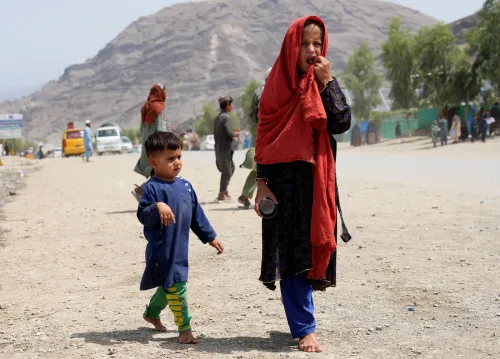
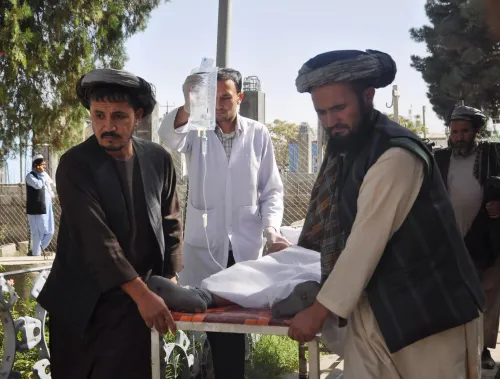
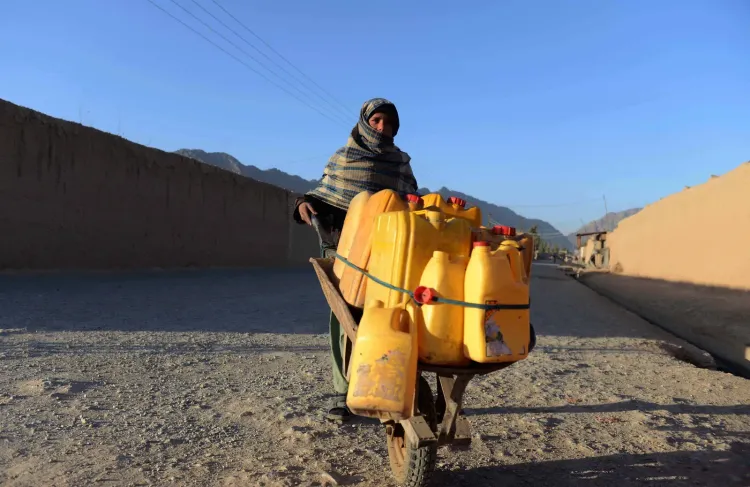
According to OCHA, water scarcity is exposing children to heightened health risks and disrupting daily life across Afghanistan, forcing families to adopt survival coping mechanisms as conditions deteriorate. The agency described access to safe drinking water and sanitation as a critical humanitarian challenge for the country.
Afghanistan has faced recurring droughts, chronically inadequate water-management infrastructure, and entrenched poverty over decades — a combination that has left millions unable to secure sufficient water for drinking, household use, and agriculture. Humanitarian agencies note that climate-related shocks are placing additional pressure on already fragile communities, compounding a crisis that predates the current political situation.
Funding Cuts Hampering Response
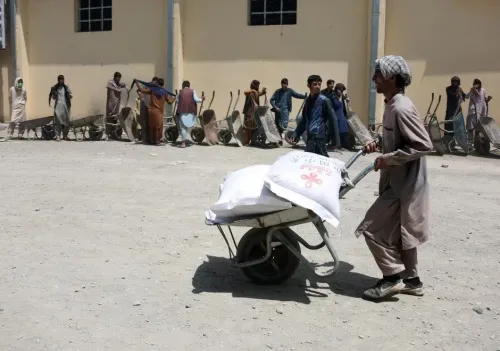
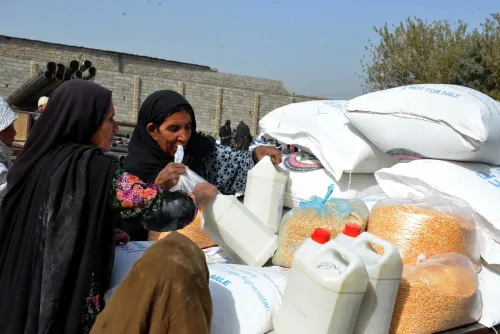
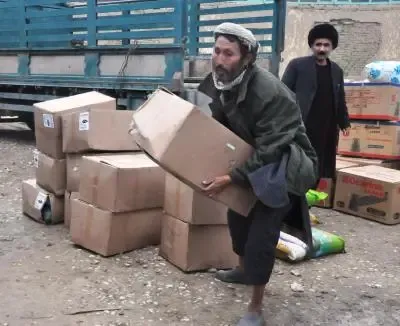
The water crisis is unfolding against a backdrop of broader humanitarian distress. Aid organisations have warned that reduced international funding has constrained humanitarian agencies from scaling up water, sanitation, and hygiene (WASH) services in several areas. OCHA noted that Afghanistan continues to face compounding crises driven by economic difficulties, food insecurity, and a sharp reduction in global aid flows.
The funding shortfall is particularly acute given the scale of need. Without sustained financial support, agencies say they cannot expand coverage to the millions who currently lack reliable access to clean water — a basic prerequisite for public health and child survival.
Nutrition Emergency Deepening Simultaneously
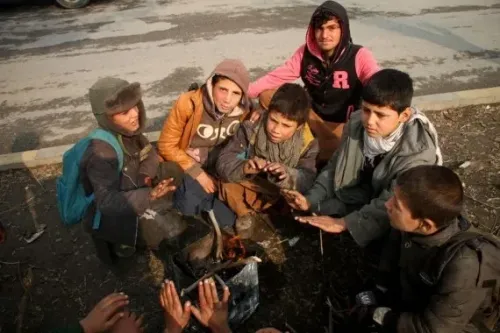
The water warning follows a separate alarm raised by OCHA on 16 June 2026, when the agency reported that 3.7 million children are expected to face severe malnutrition in 2026. Wasting levels have worsened in 26 of Afghanistan's 34 provinces compared to 2025 — and critically, this deterioration is occurring before the peak wasting season, which runs from July to September.
OCHA described the nutrition situation as 'rapidly worsening' and called for urgent funding to prevent irreversible harm to children. The convergence of a water crisis and a nutrition emergency in the same year points to a systemic collapse in basic service delivery across much of the country.
Broader Humanitarian Context
Afghanistan's humanitarian indicators have been on a downward trajectory for several years. The country faces the compounded effects of political instability, international sanctions, drought cycles intensified by climate change, and a near-total dependence on external aid for essential services. Observers note that the combination of reduced donor appetite globally and Afghanistan's isolation has created a dangerous funding vacuum precisely when needs are at their highest.
With the peak stress season still ahead, humanitarian agencies are urging the international community to act before conditions become irreversible for the most vulnerable populations.
Point of View
3.7 million children facing severe malnutrition — arriving weeks apart are not coincidental; they reflect a single systemic failure compounding across sectors. What is striking is the timing: conditions are worsening before the peak stress season, which means the worst is still ahead. Global donor fatigue and Afghanistan's political isolation have created a funding vacuum at precisely the wrong moment. The international community's reduced engagement risks normalising a crisis that, by any humanitarian benchmark, demands emergency-level mobilisation.
NationPress
20 Sept 2026
Frequently Asked Questions
How many people in Afghanistan need clean water and sanitation in 2026?
According to UN OCHA, 16 million people in Afghanistan will need access to clean water and sanitation services in 2026. The agency described this as a critical humanitarian challenge driven by recurring droughts, inadequate infrastructure, and poverty.
Why is Afghanistan facing a water crisis?
Afghanistan faces a combination of recurring droughts, chronically underdeveloped water-management infrastructure, and widespread poverty. Climate-related shocks are intensifying pressure on already fragile communities, while reduced international funding has limited the ability of humanitarian agencies to expand services.
What is the state of child malnutrition in Afghanistan in 2026?
UN OCHA warned on 16 June 2026 that 3.7 million children are expected to face severe malnutrition in 2026. Wasting has worsened in 26 of Afghanistan's 34 provinces compared to 2025, and the deterioration is occurring before the peak wasting season of July to September.
How has reduced aid funding affected Afghanistan's humanitarian response?
Aid organisations say reduced international funding has restricted humanitarian agencies from scaling up water, sanitation, and hygiene services across several areas of Afghanistan. The funding shortfall is compounding an already severe crisis in a country heavily dependent on external assistance for basic services.
What has the UN called for in response to Afghanistan's crisis?
OCHA has called for urgent international funding to save lives and prevent irreversible harm, particularly to children facing malnutrition. The agency has emphasised that without sustained financial support, the humanitarian response cannot keep pace with the scale of need.