Gujarat CM's Office Marks World Organ Donation Day
Synopsis
On World Organ Donation Day, 13 August, Gujarat's Chief Minister's Office praised the state's organ donors and urged citizens to pledge, highlighting a government-NGO-medical partnership under CM Bhupendra Patel as a national model.
Key Takeaways
World Organ Donation Day falls on 13 August each year and is dedicated to raising awareness about the organ shortage crisis.
The Chief Minister's Office of Gujarat credited a three-way partnership of state government, NGOs, and specialist doctors for Gujarat's progress in organ donation.
Chief Minister Bhupendra Patel has led the state administration since 2021 , with health and welfare initiatives forming part of his governance agenda.
India's organ donation framework is governed by the Transplantation of Human Organs and Tissues Act, 1994 .
India faces a persistent and large gap between patients awaiting organ transplants and the available supply of donor organs.
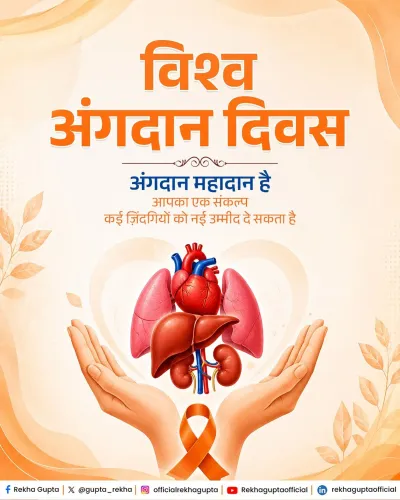
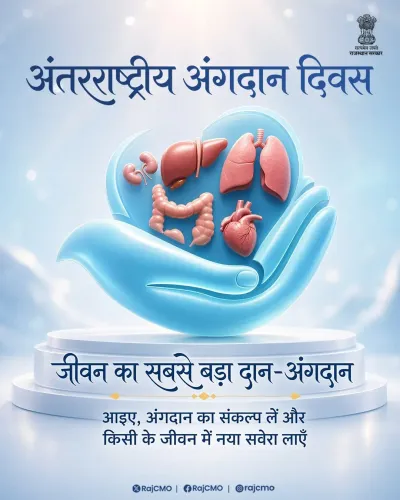
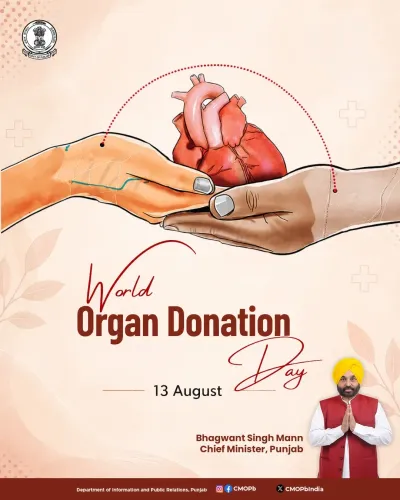
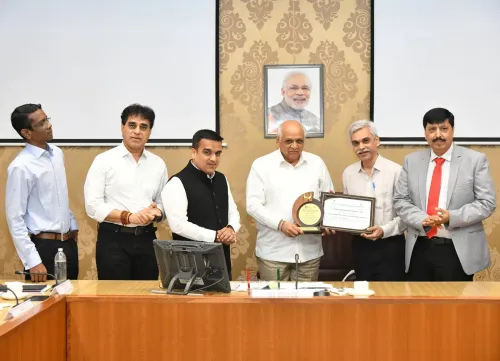
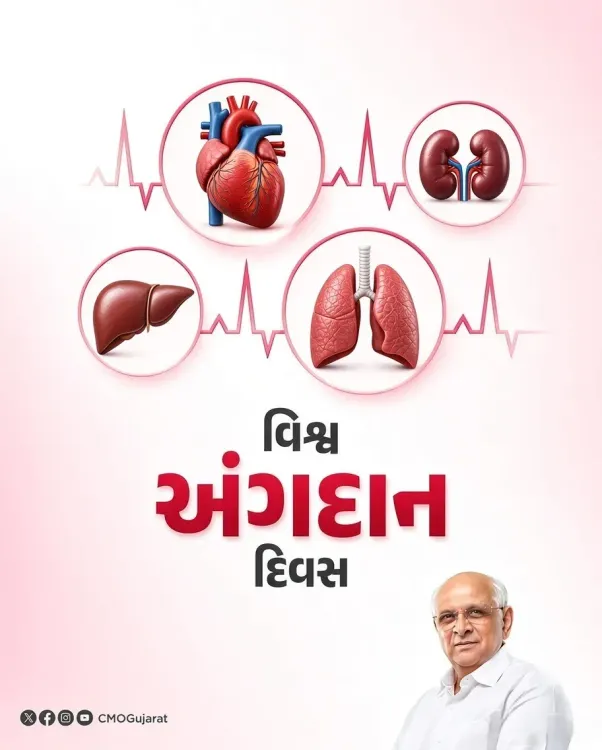
On World Organ Donation Day, 13 August, the Chief Minister's Office of Gujarat honoured the state's organ donors and called on citizens to pledge their organs — framing the act as a punya karya (sacred deed) that grants new life to those in desperate need.
The post, shared in Gujarati, saluted the collective effort of the state government under Chief Minister Bhupendra Patel, alongside NGOs and specialist physicians, for establishing what it called an 'inspirational example' for the country in the field of organ donation. Translated, the message reads: 'Organ donation is the sacred act of gifting new life to a patient in need. Through the combined efforts of the state government, service-oriented organisations and expert doctors under the leadership of CM Bhupendra Patel, Gujarat has set an inspiring example for the nation in the field of organ donation.'
Why August 13 matters for transplant medicine
World Organ Donation Day is observed every year on 13 August to raise public awareness about the chronic shortage of donor organs and to honour families who chose to donate. In India, the gap between patients awaiting transplants and available organs remains one of the most pressing challenges in public health — making state-level mobilisation campaigns critical to closing that deficit.
India's legal and institutional backbone for organ donation
The foundation for organised organ donation in India was laid by the Transplantation of Human Organs and Tissues Act, 1994, which created the legal framework for deceased and living donations and established oversight mechanisms across states. Since then, state governments, hospitals, and civil-society groups have built coordination networks on top of that framework — with Gujarat positioning itself as an active participant in those national efforts.
The CMO's message specifically highlighted the triangular partnership between government, voluntary organisations, and the medical community as the engine behind Gujarat's progress — a model that health administrators have increasingly recognised as essential for sustaining donation rates beyond single-day awareness drives.
As India continues to wrestle with one of the world's largest unmet transplant demands, state governments that invest in year-round donor registration, family counselling, and hospital coordination will define the pace of progress. Gujarat's public commitment on this day is a reminder that the distance between a pledge and a life saved is measured in institutional will.
Point of View
Associating his administration with a cause that is simultaneously humanitarian and politically uncontroversial is sound governance optics. The real test, however, lies in whether such awareness moments translate into measurable upticks in donor registrations and family consent rates across Gujarat's hospitals.
NationPress
13 Aug 2026
Frequently Asked Questions
When is World Organ Donation Day observed?
World Organ Donation Day is observed every year on 13 August to promote awareness about organ donation and honour donors and their families.
What did Gujarat's Chief Minister's Office say on World Organ Donation Day 2026?
The CMO of Gujarat praised organ donors, called on citizens to pledge their organs, and credited a partnership between the state government, NGOs, and specialist doctors under CM Bhupendra Patel for making Gujarat an inspiring example in organ donation.
What is the law governing organ donation in India?
Organ donation and transplantation in India is regulated by the Transplantation of Human Organs and Tissues Act, 1994 , which provides the legal framework for both deceased and living donations.
Why is organ donation awareness important in India?
India faces a significant and persistent gap between the number of patients awaiting organ transplants and the supply of available donor organs, making public awareness campaigns and state-level drives essential.
Who is Bhupendra Patel?
Bhupendra Patel is the Chief Minister of Gujarat, serving since 2021 . His administration has been involved in various state health and welfare initiatives, including organ donation awareness efforts.