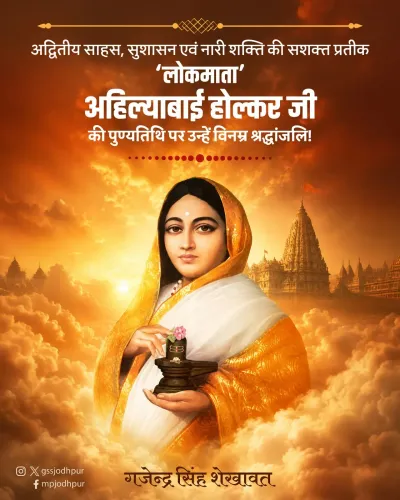
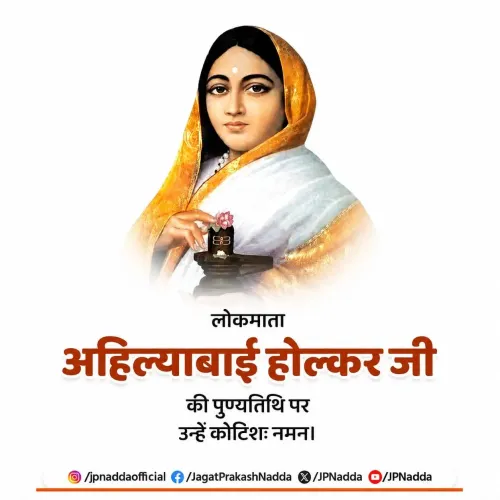
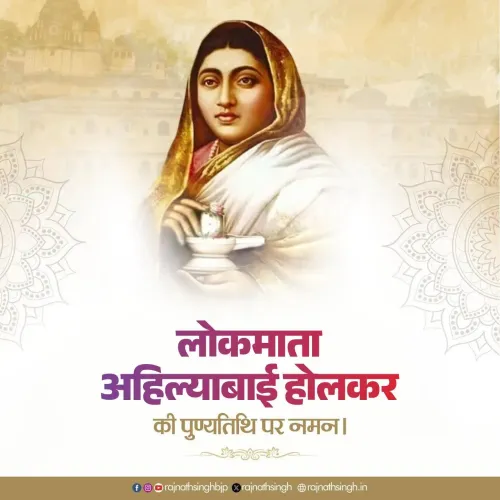
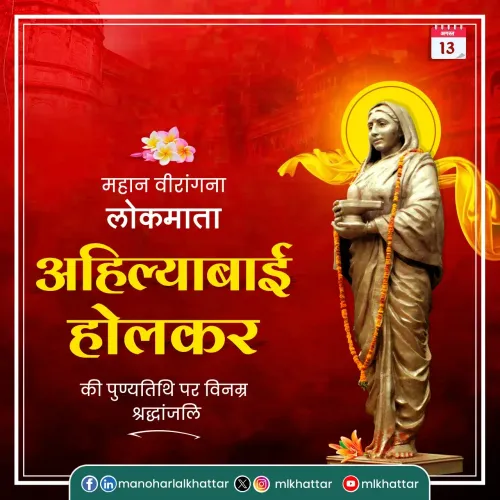
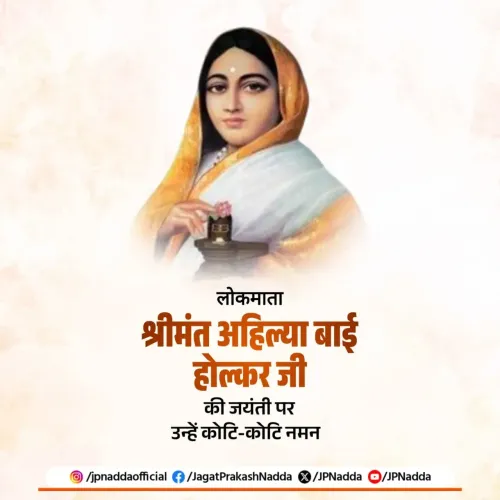
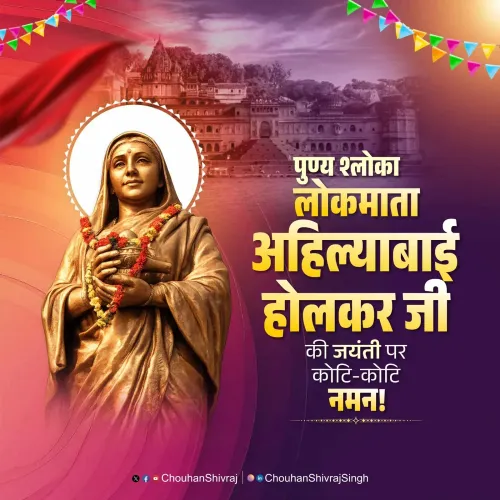
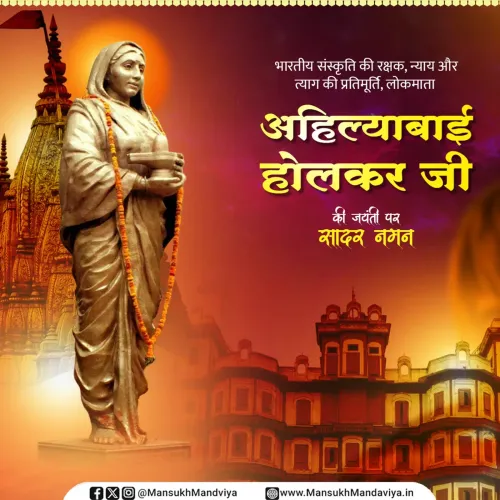
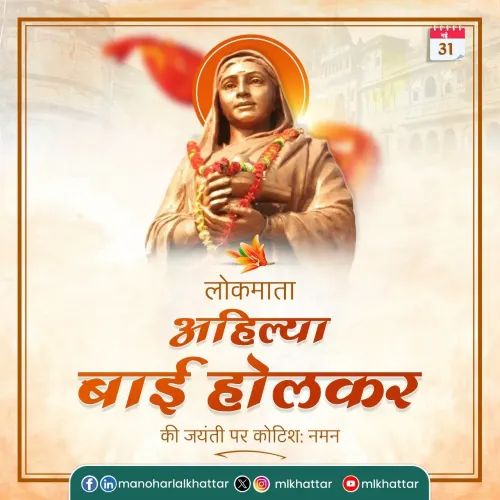
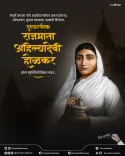
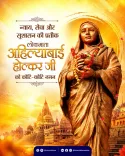
Mandaviya pays tribute to Ahilyabai Holkar on her death anniversary
Synopsis
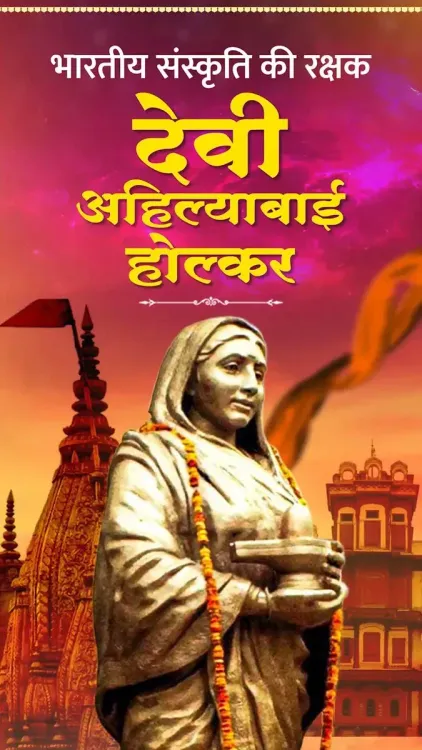
Union Minister Mansukh Mandaviya paid homage to Devi Ahilyabai Holkar on her death anniversary, calling the 18th-century Malwa queen a guardian of Indian culture and 'Lokmata' — mother of the people — on 13 August 2026.
Key Takeaways
Mansukh Mandaviya , Union Minister of Labour and Sports, posted a tribute to Devi Ahilyabai Holkar on her death anniversary, 13 August 2026 .
He described her as 'Lokmata' (mother of the people) and a 'veerangana' (heroic woman), honouring her as a symbol of public service and cultural preservation.
Ahilyabai Holkar ruled the Malwa kingdom from 1767 to 1795 , commissioning temples, ghats, roads, and rest houses across India.
Senior BJP leaders regularly mark the anniversaries of pre-colonial Indian rulers, particularly women, as part of the party's emphasis on indigenous governance traditions.
13 August is an annual date of national remembrance for Ahilyabai Holkar, observed by state and central government programmes.
On the death anniversary of one of India's most celebrated women rulers, Union Labour and Sports Minister Mansukh Mandaviya offered a public tribute on Thursday, 13 August 2026 to Devi Ahilyabai Holkar, honouring her as a guardian of Indian culture and an embodiment of selfless public service.
Mandaviya described the 18th-century Malwa queen as 'lokokmata' — 'mother of the people' — and a 'veerangana', a heroic woman, calling her a 'pratimoorti' (living symbol) of dedication and service. His post, written in Hindi, read: 'A humble tribute on the death anniversary of the great guardian of Indian culture, an embodiment of public service and dedication, the great warrior woman, 'Lokmata' Devi Ahilyabai Holkar.'
Who was Ahilyabai Holkar — and why she still matters
Devi Ahilyabai Holkar ruled the Malwa kingdom from 1767 to 1795, a reign of nearly three decades that left a physical and administrative imprint across the subcontinent. She commissioned the construction of temples, ghats, roads, and rest houses from Varanasi to Dwarka — public infrastructure at a scale that was rare for any ruler of that era, let alone a woman governing against the conventions of 18th-century India.
Her legacy is not confined to stone and mortar. Historians credit her with a model of governance centred on welfare, justice, and cultural preservation — qualities that have made her an enduring symbol across political and cultural lines in India.
BJP's pattern of honouring pre-colonial women leaders
Mandaviya's tribute fits a consistent pattern among senior BJP leaders, who regularly mark the birth and death anniversaries of pre-colonial Indian rulers — particularly women — as part of a broader emphasis on indigenous governance traditions. 13 August has become a recurring date of national remembrance for Ahilyabai Holkar, with state and central government commemorations held at heritage sites linked to her reign.
For a minister whose portfolio spans labour, employment, and sports, the tribute is a reminder that India's political culture assigns significant weight to custodianship of historical memory — and that Ahilyabai Holkar remains a figure who commands reverence well beyond any single region or party.
Point of View
Positioning the party as the custodian of India's pre-British heritage. Ahilyabai Holkar is a particularly resonant choice: her welfare-oriented reign in Malwa offers a ready historical template for the party's 'viksit Bharat' narrative. The consistency of these tributes across ministers and anniversaries suggests a coordinated cultural calendar, not spontaneous remembrance. Over time, such commemorations also quietly build a symbolic link between contemporary governance and a pre-colonial ideal of righteous rule.
NationPress
13 Aug 2026
Frequently Asked Questions
Who was Devi Ahilyabai Holkar?
Devi Ahilyabai Holkar was the ruler of the Malwa kingdom from 1767 to 1795. She is celebrated for her administrative reforms, construction of temples, ghats, roads, and rest houses across India, and her model of welfare-centred governance.
When is Ahilyabai Holkar's death anniversary?
Ahilyabai Holkar's death anniversary falls on 13 August each year. It is observed with tributes from political leaders and cultural organisations across India.
What does 'Lokmata' mean in reference to Ahilyabai Holkar?
'Lokmata' translates to 'mother of the people.' The title reflects Ahilyabai Holkar's reputation as a ruler who prioritised public welfare, justice, and the needs of ordinary citizens throughout her reign.
Why did Mansukh Mandaviya pay tribute to Ahilyabai Holkar?
Mandaviya paid tribute on her death anniversary, 13 August 2026, honouring her legacy as a guardian of Indian culture and an embodiment of public service. Senior BJP ministers regularly mark such anniversaries as part of the party's emphasis on indigenous governance traditions.
What is Ahilyabai Holkar's connection to Indian heritage sites?
Ahilyabai Holkar commissioned the construction of temples, ghats, roads, and rest houses from Varanasi to Dwarka during her reign. Many heritage sites and infrastructure projects across India are named in her honour.