CM Fadnavis Pays Tribute to Ahilyabai Holkar on Smruti Din
Synopsis
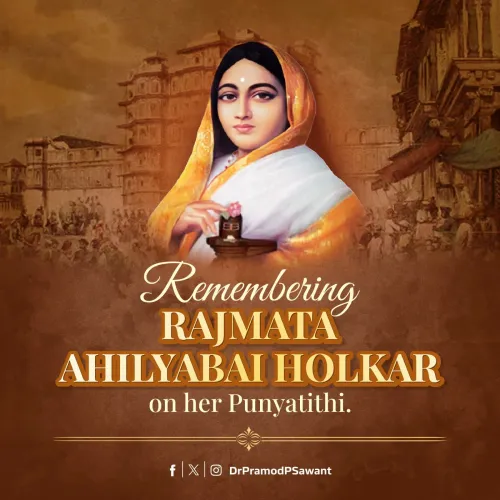
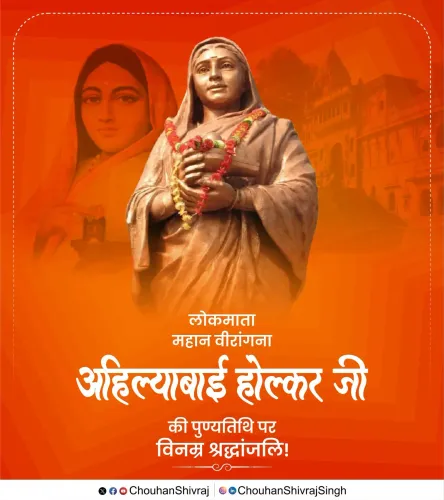
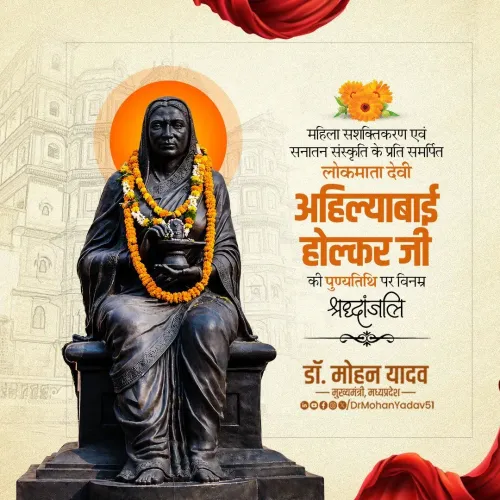
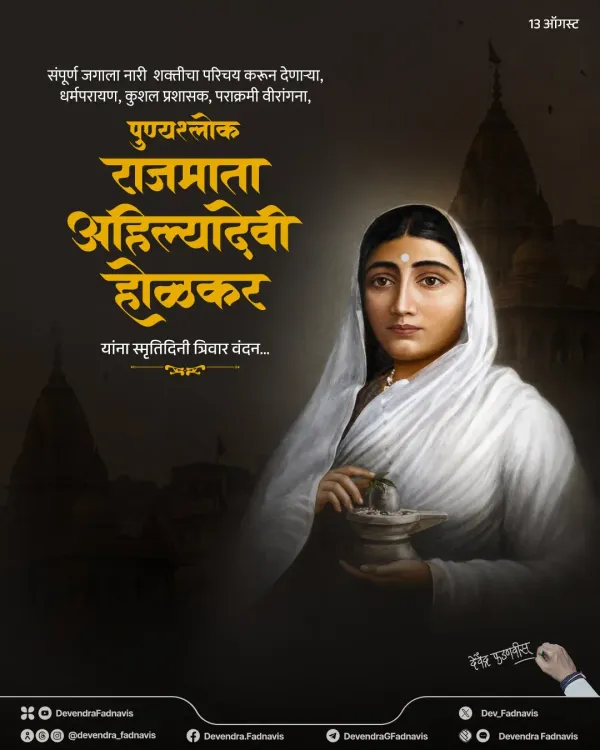
Maharashtra Chief Minister Devendra Fadnavis paid tribute to Punyashlok Rajmata Ahilyabai Holkar on her Smruti Din on 13 August 2026, honouring the 18th-century Holkar ruler as a timeless symbol of compassionate governance, administrative skill, and women's empowerment.
Key Takeaways
CM Devendra Fadnavis posted a tribute to Punyashlok Rajmata Ahilyabai Holkar on her Smruti Din, 13 August 2026 .
Fadnavis described her as 'an exemplary ruler whose vision, compassion, and commitment to public welfare remain a timeless inspiration.' In Marathi, he called her a devout, skilled administrator and valiant warrior-woman , offering a threefold salute.
Ahilyabai Holkar ruled the Holkar kingdom of Indore in the 18th century, known for temple restoration, public infrastructure, and just governance.
Maharashtra holds her legacy especially close as a symbol of women's leadership and people-centred rule in the Maratha era.
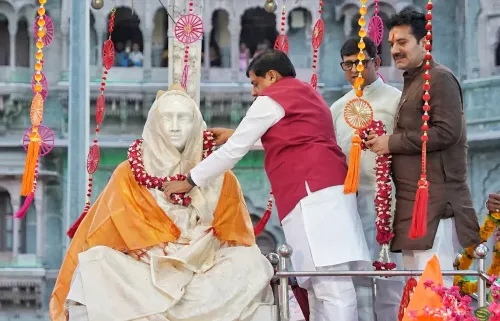
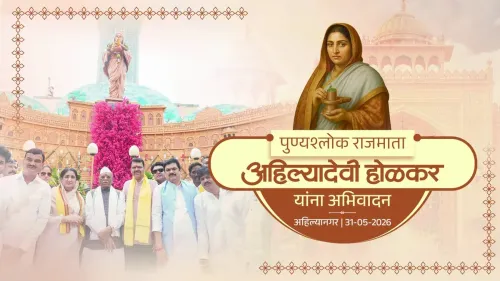
Centuries after her reign ended, Punyashlok Rajmata Ahilyabai Holkar still commands reverence that cuts across party lines and state borders. On her Smruti Din (death anniversary), Maharashtra Chief Minister Devendra Fadnavis offered tributes on Thursday, 13 August 2026, honouring the 18th-century Holkar dynasty ruler as an enduring symbol of compassionate governance and women's power.
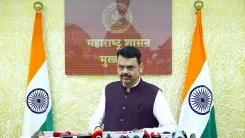
In his post, Fadnavis wrote: 'Humble tributes to an exemplary ruler whose vision, compassion, and commitment to public welfare remain a timeless inspiration.' In Marathi, he saluted her as 'धर्मपरायण, कुशल प्रशासक, पराक्रमी वीरांगना' — a devout, skilled administrator and a valiant warrior-woman — and offered a threefold salute on her remembrance day.
The Ruler Who Redrew Governance in the Maratha Era
Ahilyabai Holkar ruled the Holkar kingdom of Indore through the latter half of the 18th century, becoming one of the most celebrated administrators of pre-colonial India. She oversaw the construction and restoration of temples, ghats, and rest houses across the subcontinent — infrastructure that served pilgrims and ordinary citizens alike. Her reign is remembered for its rare combination of military resolve and social welfare, qualities that made her a pan-Indian figure rather than merely a regional one.
Maharashtra holds her legacy especially close. Her story — a woman who governed with authority and equity in an era that rarely afforded women either — is regularly invoked in public life as proof that the region's history is rich with precedent for just, people-centred rule.
Why State Leaders Mark This Day
Annual tributes to pre-colonial rulers have become a fixture in Indian state politics, and Ahilyabai Holkar's Smruti Din is among the most consistently observed. For Maharashtra's government, the commemoration serves a dual purpose: affirming a shared cultural heritage and keeping alive a model of governance rooted in public welfare. Fadnavis's tribute fits squarely within this tradition, amplifying the day's significance through the reach of the Chief Minister's platform.
The hashtags #पुण्यश्लोक_अहिल्याबाई_होळकर and #AhilyabaiHolkar trended on social media as tributes poured in from across the country, reflecting how deeply the 18th-century queen's memory remains embedded in contemporary Indian public consciousness.
A ruler who lived centuries ago still shapes how a modern state talks about leadership. That is the measure of Ahilyabai Holkar's legacy — and the reason her Smruti Din is never just a date on a calendar.
Point of View
Ahilyabai Holkar carries particular resonance — her identity as a devout, welfare-oriented ruler maps neatly onto the party's cultural and administrative messaging. Marking her Smruti Din publicly also signals the state government's intent to keep regional heritage central to its political identity. The broader arc here is one of competitive heritage politics, where historical figures become living arguments for contemporary governance values.
NationPress
27 Sept 2026
Frequently Asked Questions
Who was Ahilyabai Holkar?
Ahilyabai Holkar was an 18th-century ruler of the Holkar dynasty of Indore, celebrated for her administrative reforms, temple construction, public welfare works, and just governance across her kingdom.
What is Ahilyabai Holkar's Smruti Din?
Smruti Din means 'remembrance day' or death anniversary in Marathi. Ahilyabai Holkar's Smruti Din is observed annually on 13 August, the date of her passing.
Why did CM Devendra Fadnavis pay tribute to Ahilyabai Holkar?
Maharashtra CM Devendra Fadnavis paid tribute on her Smruti Din on 13 August 2026, honouring her legacy as a compassionate ruler, skilled administrator, and symbol of women's power.
What did Devendra Fadnavis say about Ahilyabai Holkar?
Fadnavis called her 'an exemplary ruler whose vision, compassion, and commitment to public welfare remain a timeless inspiration,' and in Marathi saluted her as a devout, skilled administrator and valiant warrior-woman.
Why is Ahilyabai Holkar important in Maharashtra?
Ahilyabai Holkar is widely revered in Maharashtra for her Maratha-era legacy of infrastructure development, religious patronage, and just governance, making her a pan-Indian symbol of women's leadership.