Khattar Pays Tribute to Ahilyabai Holkar on Her Birth Anniversary
Synopsis
Union Power Minister Manohar Lal Khattar marked the birth anniversary of 18th-century Malwa ruler Ahilyabai Holkar on 31 May, saluting her administrative legacy, contribution to women's empowerment, and lifelong patronage of India's cultural and religious heritage.
Key Takeaways
Union Minister Manohar Lal Khattar posted a tribute to Ahilyabai Holkar on her birth anniversary on 31 May .
Ahilyabai Holkar ruled the Malwa kingdom from 1767 to 1795 and is celebrated for constructing temples, ghats, and rest houses across India.
Khattar described her as an 'indelible example of national service and public welfare' and praised her administrative efficiency and women's empowerment contributions.
The Government of India issued a commemorative postage stamp in 1996 honouring her contributions.
The tribute fits a broader pattern of senior BJP ministers marking anniversaries of pre-colonial Hindu rulers who championed cultural patronage.
Her legacy has direct policy resonance, as many heritage sites she patronised — including the Kashi Vishwanath temple — remain focal points of ongoing restoration efforts.
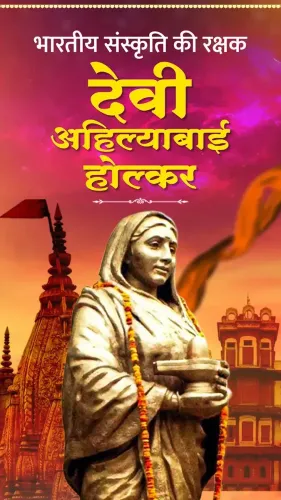
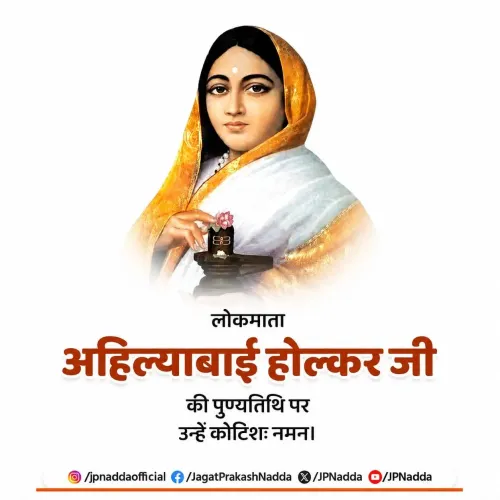
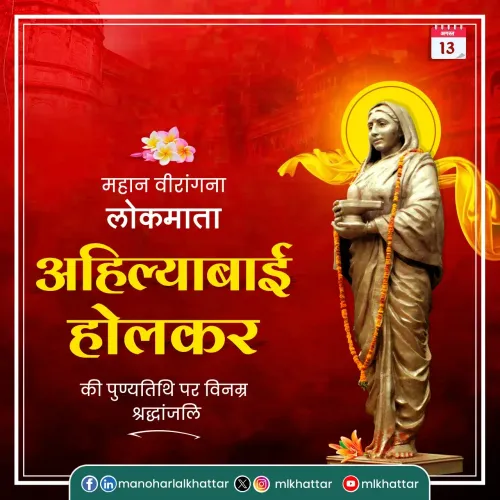
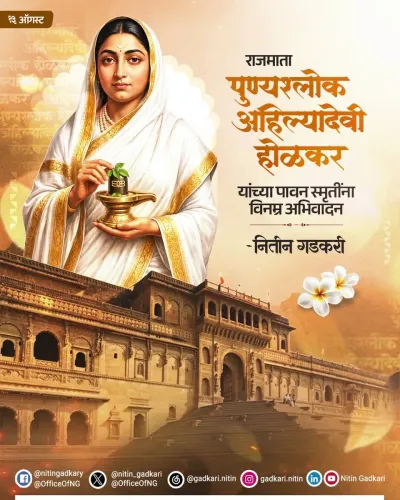
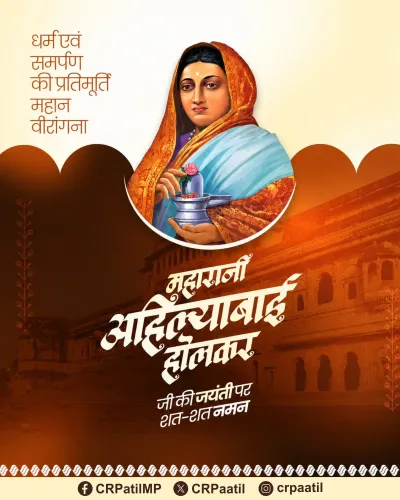
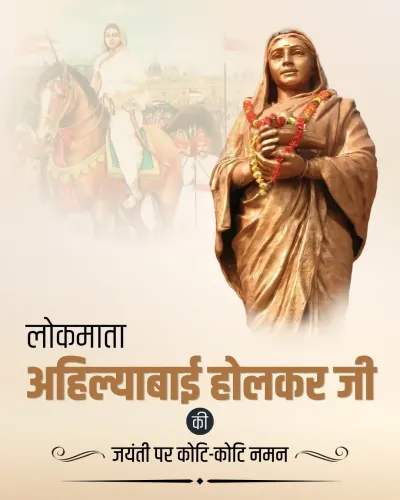
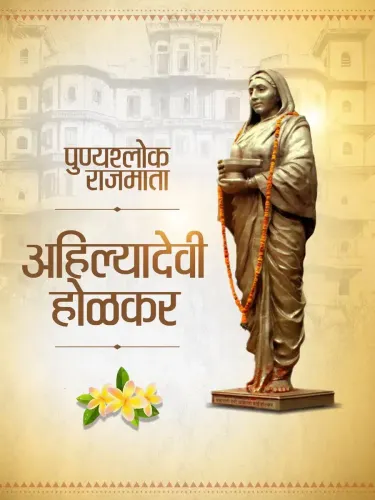
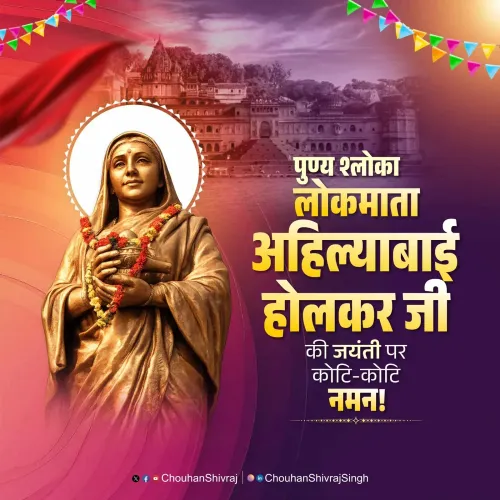
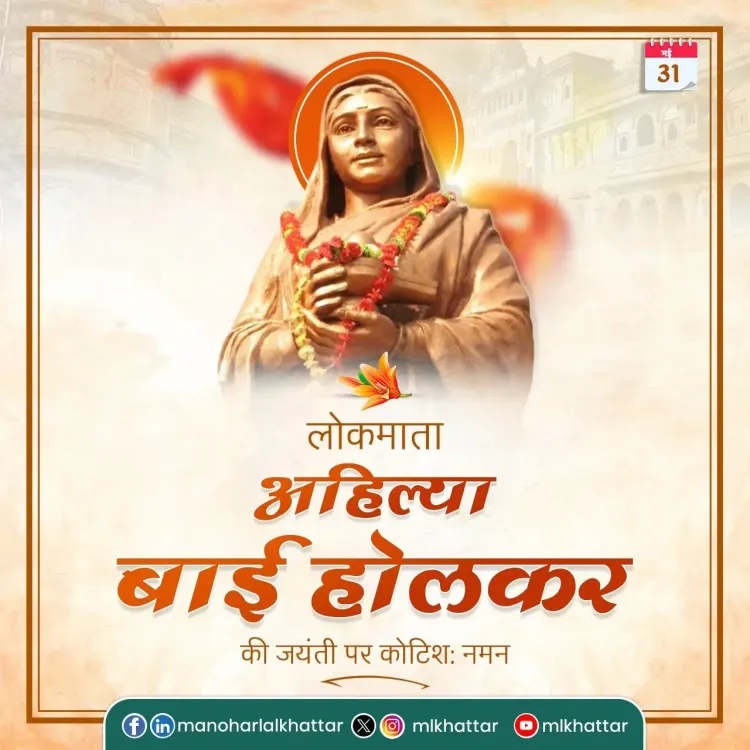
Union Power Minister Manohar Lal Khattar on Sunday, 31 May paid tribute to Ahilyabai Holkar, the celebrated 18th-century ruler of the Malwa kingdom, on the occasion of her birth anniversary, hailing her as a timeless inspiration for governance, women's empowerment, and cultural preservation.
Posting in Hindi on X, Khattar wrote: 'भारतीय संस्कृति को संरक्षित एवं संवर्धित करने वाली लोकमाता अहिल्याबाई होलकर जी की जयंती पर कोटिशः नमन अर्पित करता हूँ' — 'I offer countless salutations on the birth anniversary of Lokmata Ahilyabai Holkar, who preserved and promoted Indian culture.' He added that her 'unparalleled administrative efficiency, firm resolve, contribution to women's empowerment, and work for the preservation and renaissance of India's cultural heritage will continue to inspire generations for ages to come.'
Context
Ahilyabai Holkar ruled the Malwa region as the de facto head of the Holkar dynasty from 1767 until her death in 1795. She is widely remembered for commissioning temples, ghats, wells, and rest houses across the Indian subcontinent — from Varanasi and Dwarka to Puri and Somnath — at a time when such large-scale public patronage by a woman ruler was exceptional. The Government of India recognised her legacy by issuing a commemorative postage stamp in 1996.
The honorific 'Lokmata' (mother of the people) attached to her name reflects the popular regard for her welfare-oriented administration. Khattar's tribute underscores that regard, describing her life's philosophy as 'an indelible example of national service and public welfare.'
Policy Backdrop
Senior ministers in the current central government have consistently marked the birth anniversaries of pre-colonial rulers and women administrators who championed indigenous governance traditions. These observances align with a broader policy emphasis on restoring and publicising historic temples and pilgrimage sites — many of which were originally constructed or renovated under patrons such as Ahilyabai Holkar.
The Kashi Vishwanath Corridor in Varanasi — one of the flagship heritage projects of recent years — sits adjacent to the Kashi Vishwanath temple that Ahilyabai herself rebuilt in the 18th century, giving such tributes an implicit policy resonance beyond ceremonial acknowledgement.
Stakeholders and Impact
Women's groups and heritage organisations across India annually mark Ahilyabai's birth anniversary with cultural programmes and civic events. Her legacy is invoked in debates on women's leadership in public life, and several state governments have named schemes, roads, and institutions after her.
For the BJP and its ideological ecosystem, tributes to figures like Ahilyabai serve a dual purpose: honouring a historical exemplar of Hindu cultural stewardship and reinforcing the party's outreach to women voters and heritage-conscious constituencies.
What's Next
State governments — particularly in Madhya Pradesh and Maharashtra, where the Holkar legacy is strongest — are expected to hold commemorative events around 31 May each year. Heritage organisations and cultural bodies may use the occasion to push for further restoration of sites associated with Ahilyabai's patronage.
As cultural-heritage policy continues to occupy space in India's political discourse, tributes from senior Union ministers on such anniversaries are likely to be accompanied, in future cycles, by announcements tied to restoration projects or commemorative schemes linked to pre-colonial women rulers.
Point of View
The tribute bridges two distinct voter-outreach priorities — women's leadership and Hindu heritage — without making an overtly partisan argument. The implicit link to active heritage projects such as the Kashi Vishwanath Corridor gives such ceremonial statements a policy undertone that distinguishes them from routine birthday wishes. Over time, these observances build a cumulative ideological frame around cultural nationalism that operates independently of any single policy announcement.
NationPress
19 Sept 2026
Frequently Asked Questions
Who was Ahilyabai Holkar and why is she remembered?
Ahilyabai Holkar was the 18th-century ruler of the Malwa kingdom who governed from 1767 to 1795. She is remembered for her exceptional administrative ability, patronage of temples and public infrastructure across India, and her role as a rare example of a woman exercising sovereign power in pre-colonial India.
Why did Manohar Lal Khattar pay tribute to Ahilyabai Holkar?
Khattar paid tribute on the occasion of Ahilyabai Holkar's birth anniversary on 31 May, honouring her contributions to Indian cultural heritage, women's empowerment, and public welfare — themes he described as a lasting inspiration for generations.
What is the significance of the title 'Lokmata' for Ahilyabai Holkar?
'Lokmata,' meaning 'mother of the people,' is an honorific given to Ahilyabai Holkar in recognition of her welfare-oriented rule. She built temples, ghats, wells, and rest houses for ordinary people across the subcontinent, earning deep popular reverence.
Has the Indian government officially recognised Ahilyabai Holkar?
Yes. The Government of India issued a commemorative postage stamp in 1996 honouring Ahilyabai Holkar's contributions to public welfare and cultural heritage.
What is Manohar Lal Khattar's current role in the central government?
Manohar Lal Khattar is the Union Minister of Power and Housing and Urban Affairs. He is a senior BJP leader and a former Chief Minister of Haryana.